


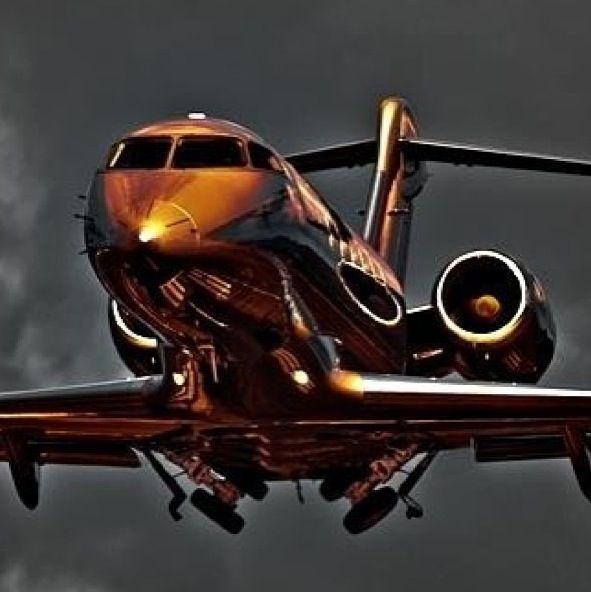
Private jets have long been synonymous with luxury, privacy, and convenience, but in recent years, they have also become pioneers in aviation safety. As the demand for private air travel continues to grow, the private aviation industry has responded by incorporating some of the most advanced safety technologies and practices seen in the aviation world. Private jets are not only leading the way in passenger comfort and efficiency but are also setting new standards for safety in the skies. From groundbreaking advancements in technology to rigorous maintenance protocols and innovative pilot training, private jets are taking safety to unprecedented heights.
The Role of Technology in Private Jet Safety
One of the key factors contributing to the heightened safety of private jets is the integration of cutting-edge technology. Over the past decade, private aviation has seen rapid advancements in avionics, flight management systems, and weather forecasting technologies, all designed to improve flight safety. Private jets are equipped with some of the most sophisticated systems available in aviation today, many of which are more advanced than what’s typically found on commercial aircraft.
Advanced Navigation Systems
Modern private jets are outfitted with highly advanced navigation systems that provide pilots with real-time data and detailed information about their flight path, surrounding air traffic, and potential hazards. One such system is the Flight Management System (FMS), which integrates with GPS and other satellite-based navigation tools to provide the most efficient and safest route. The FMS is capable of adjusting the flight plan in real-time, taking into account factors such as weather conditions, air traffic, and fuel consumption. This technology helps pilots avoid potential risks and optimize their flight path for maximum safety.
Private jets also benefit from sophisticated Terrain Awareness and Warning Systems (TAWS), which provide pilots with alerts about the proximity of the aircraft to terrain, obstacles, or other hazards. These systems use a combination of radar, satellite data, and onboard sensors to detect potential risks in real-time, giving pilots an early warning so they can take corrective action.
Weather Radar and Detection Systems
Weather is one of the most significant factors affecting flight safety. Private jets are equipped with state-of-the-art weather radar and detection systems that allow pilots to monitor changing weather patterns and avoid hazardous conditions such as thunderstorms, high winds, or turbulence. These radar systems can detect severe weather events miles ahead, allowing pilots to make adjustments to their flight path or altitude to avoid danger.
Additionally, private jets are often equipped with enhanced weather systems that provide a detailed view of weather conditions, even in low visibility or poor lighting. Enhanced Vision Systems (EVS) use infrared cameras to give pilots a clear view of their surroundings, even in the dark or in poor weather conditions like fog or rain. This added visibility greatly improves safety during takeoff, landing, and en route, particularly in challenging conditions.
Collision Avoidance Systems
One of the most significant safety innovations in private jets is the Traffic Collision Avoidance System (TCAS), which is designed to detect other aircraft in the vicinity and alert pilots if a collision risk is detected. The TCAS system is a critical safety feature that helps prevent mid-air collisions by providing pilots with real-time alerts about nearby aircraft. When the system detects a potential collision, it sends an immediate warning to the pilot and provides recommendations for evasive action, such as changing altitude or course.
In addition to TCAS, private jets are also equipped with Automatic Dependent Surveillance-Broadcast (ADS-B) systems, which allow aircraft to share their position and flight data with other aircraft and air traffic control. This system increases situational awareness and helps prevent collisions by providing real-time information about surrounding aircraft, especially in areas where radar coverage may be limited.
Rigorous Maintenance Protocols
In addition to advanced technology, one of the key aspects of private jet safety is the strict maintenance protocols that are followed by private jet operators. Aircraft maintenance is essential to ensuring the continued airworthiness of the jet and minimizing the risk of mechanical failures. Private jet companies are required to adhere to the same stringent safety regulations as commercial airlines, including regular inspections, maintenance checks, and repairs.
Unlike commercial airlines, which may operate aircraft on a daily basis, private jets typically fly less frequently. This allows for more comprehensive and frequent maintenance checks, which are critical for identifying and addressing any potential safety concerns before they become serious issues. Private jet maintenance includes a range of inspections, from routine checks of the aircraft’s engines, avionics, and flight control systems to more in-depth evaluations of the structural integrity of the aircraft.
Many private jet companies go above and beyond the minimum regulatory requirements by implementing even more frequent inspections and utilizing cutting-edge diagnostic tools to detect potential problems before they affect the aircraft’s performance. For example, some private jet companies use advanced predictive maintenance technology that uses real-time data from sensors embedded in the aircraft to monitor the health of critical systems. This technology helps identify wear and tear early, allowing maintenance teams to address issues before they compromise safety.
Pilot Training and Qualifications
The qualifications and training of private jet pilots are another crucial factor in ensuring the safety of passengers. Private jet pilots are highly trained professionals with extensive flight experience and specialized certifications that are customized to the specific type of aircraft they operate. These pilots often have thousands of flight hours, far exceeding the minimum requirements for commercial airline pilots. In addition to their flight hours, private jet pilots are trained to handle a wide range of potential emergency scenarios, including medical emergencies, equipment malfunctions, and severe weather conditions.
Private jet pilots also undergo regular training to stay current with new safety procedures, aviation regulations, and emerging technologies. This ongoing education ensures that they are fully prepared to handle any situation that may arise during a flight. Many private jet operators also require pilots to undergo training in simulator environments, where they can practice responding to emergency situations in a controlled setting. This level of training ensures that private jet pilots are well-equipped to handle any challenges that may arise during a flight.
Enhanced Cabin Safety Features
Safety in private jets extends beyond just the operation of the aircraft; it also includes the safety and well-being of passengers within the cabin. Private jets are equipped with a range of safety features designed to ensure that passengers are protected in the event of an emergency. These features include emergency oxygen masks, life vests, and fire extinguishers, which are readily accessible and strategically located throughout the cabin.
Cabin crew members are also trained in emergency procedures, first aid, and evacuation protocols, ensuring that they can assist passengers in the event of an emergency. Many private jet companies also provide pre-flight safety briefings to passengers, explaining the location of safety equipment and the procedures to follow in case of an emergency. This ensures that all passengers are well-informed and prepared in the unlikely event of an emergency.
In addition to standard safety equipment, some private jets are equipped with more advanced safety features, such as fire-resistant materials in the cabin, reinforced doors, and emergency lighting systems. These features are designed to enhance passenger safety in the event of a fire or other emergency situation.
Regulatory Oversight and Compliance
The private jet industry is subject to strict regulatory oversight by aviation authorities, ensuring that operators adhere to the highest standards of safety. In the United States, the Federal Aviation Administration (FAA) oversees private aviation operations, while in Europe, the European Union Aviation Safety Agency (EASA) sets safety standards for private jets. These organizations enforce regulations regarding aircraft maintenance, pilot qualifications, safety equipment, and emergency protocols to ensure that private jet companies comply with the highest safety standards.
Private jet companies are also required to maintain detailed records of their operations, including flight logs, maintenance history, and safety inspections. These records are regularly reviewed by aviation authorities to ensure that the company is operating in compliance with safety regulations. Additionally, many private jet operators voluntarily undergo audits and inspections by third-party safety organizations, further ensuring that they maintain the highest standards of safety.
The Future of Private Jet Safety
As technology continues to evolve, private jets are likely to see even more advancements in safety. Innovations such as autonomous flight systems, advanced AI-driven predictive maintenance, and enhanced cybersecurity measures are expected to further enhance the safety of private jet travel in the coming years. Additionally, the increasing use of electric and hybrid aircraft may lead to new safety features that are designed specifically for these types of aircraft.
The private jet industry is also focused on improving environmental sustainability, which will likely result in the development of greener, safer aircraft in the future. As private aviation continues to evolve, safety will remain a top priority, and the industry will continue to lead the way in implementing innovative technologies and practices to ensure the well-being of passengers.
Conclusion
Private jets have become the gold standard for luxury travel, but they are also at the forefront of safety innovations in the aviation industry. From advanced navigation and weather radar systems to rigorous maintenance protocols and highly trained pilots, private jets are setting new benchmarks for safety in the skies. As technology continues to advance and the industry evolves, private jets will continue to lead the way in ensuring the safety and security of passengers, making air travel safer than ever before. Whether you’re a first-time flyer or a frequent traveler, you can rest assured that private jet companies are committed to providing the safest and most secure travel experience possible.


