


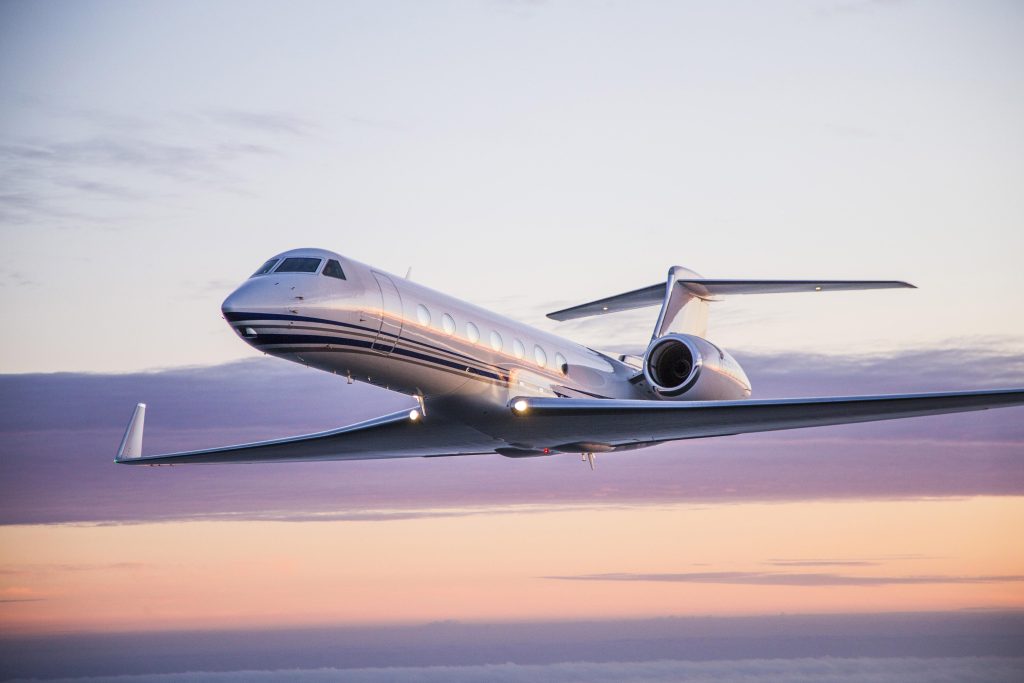
Owning a private jet is often seen as the ultimate symbol of success, providing an unmatched level of convenience and luxury for frequent travelers. It offers flexibility, comfort, and the ability to fly on your schedule, without the limitations of commercial airlines. However, while the allure of private jet ownership is undeniable, the financial reality is much more complex. The initial cost of purchasing a private jet is just the beginning. Many prospective owners fail to understand the full extent of the ongoing costs involved. To ensure a smooth ownership experience, it’s crucial to effectively budget for the expenses associated with owning a private jet. This article will provide a comprehensive guide on how to budget for the various costs of private jet ownership, from the purchase price to the often-overlooked maintenance, insurance, and operating costs.
- Understanding the Initial Purchase Price
The first step in budgeting for private jet ownership is understanding the initial purchase price of the aircraft. The price of a private jet can vary greatly depending on the model, size, age, and customizations. New jets can cost anywhere from $3 million to over $70 million, while pre-owned aircraft can be significantly less expensive but still command a substantial price tag.
When budgeting for a private jet, it’s essential to research various models to determine which type best suits your needs and budget. Smaller jets, such as the Cessna Citation Mustang, may be priced around $3 million to $5 million, while larger jets, like the Gulfstream G650ER, can easily exceed $60 million. Additionally, it’s important to account for the cost of any customization or upgrades to the aircraft’s interior and systems. Customized interiors, such as luxury seating, high-end finishes, and entertainment systems, can add hundreds of thousands of dollars to the overall price.
If you are considering purchasing a pre-owned jet, be sure to factor in the potential costs for refurbishing or upgrading the aircraft. While a used jet may have a lower upfront price, it may require significant investments to bring it up to your standards in terms of both appearance and functionality. Carefully evaluating your options and working with an experienced aircraft broker or consultant can help ensure that you make an informed decision about the initial purchase price.
- Financing Your Private Jet Purchase
Most people don’t pay for a private jet upfront in cash, which means financing becomes a major part of the budget. The financing terms can vary based on the aircraft’s price, the buyer’s credit history, and other factors. Typically, financing a private jet requires a down payment of 10% to 20% of the purchase price, with the remaining amount paid through a loan.
The interest rate on private jet loans is typically higher than on other types of loans, often ranging between 4% and 6% annually, though this can vary based on your financial profile. The loan term may also range from five to 15 years, and monthly payments can range from $30,000 to $150,000 or more, depending on the size of the jet and the financing terms.
When budgeting for your private jet, it’s important to account for the long-term financial commitment of monthly loan payments. These payments, in addition to other operating costs, can strain your cash flow if not carefully planned. Additionally, if you plan to finance your purchase, be sure to factor in any fees associated with the loan, such as origination fees or closing costs.
- Annual Operating Costs
In addition to the initial purchase price and financing, there are significant annual operating costs to consider when budgeting for a private jet. These costs can range from several hundred thousand dollars to several million dollars, depending on how often the aircraft is used and its size.
Some of the key annual operating costs to factor into your budget include:
- Maintenance and Repairs
Maintaining a private jet is essential for ensuring its safety and longevity. Regular maintenance and inspections are required by aviation authorities and are necessary to keep the aircraft in optimal working condition. Maintenance costs vary depending on the age, make, and model of the jet. On average, owners should expect to spend between $200,000 and $500,000 per year on routine maintenance and repairs.
Routine maintenance tasks include engine inspections, avionics checks, tire replacements, and cleaning. For older jets, maintenance costs can increase due to the need for more frequent repairs or replacement of parts. Additionally, if the aircraft is used for long-haul flights or experiences heavy usage, it may require more intensive maintenance.
- Fuel Costs
Fuel is one of the largest ongoing expenses associated with operating a private jet. The cost of fuel can vary depending on the size of the jet and the distance flown. Larger jets consume more fuel, so fuel costs for a Gulfstream G550 or Bombardier Global 6000 can easily reach $5,000 to $10,000 per hour of flight time. Smaller jets, such as a Cessna Citation, may cost around $1,000 to $2,000 per hour in fuel.
The price of fuel fluctuates based on market conditions and can vary between airports. Additionally, depending on where you fly, there may be fuel surcharges or higher fuel prices at remote or smaller airports. As a jet owner, you should budget for significant fuel expenses, especially if you fly frequently or travel long distances.
- Crew Salaries and Training
Private jets require a team of skilled professionals, including pilots, co-pilots, and flight attendants. Salaries for these crew members can be a significant ongoing cost. The salary for a captain typically ranges from $100,000 to $300,000 per year, depending on experience, while co-pilots may earn between $50,000 and $150,000 annually.
If you require additional staff, such as a flight attendant or a maintenance technician, these salaries must also be factored into your budget. A flight attendant can earn between $40,000 and $100,000 per year, depending on the level of service provided and the aircraft’s requirements.
Moreover, crew members must undergo regular training and recertification to ensure they meet regulatory standards. This training can cost anywhere from a few thousand to tens of thousands of dollars per year, depending on the complexity of the aircraft and the type of training required.
- Insurance
Insurance is a necessary cost for any private jet owner. The cost of insurance varies based on the value of the aircraft, its intended use, and other factors. On average, private jet owners can expect to pay between $50,000 and $200,000 annually for insurance, with larger, more expensive jets requiring higher premiums.
Insurance policies typically cover hull damage, third-party liability, and passenger injury. However, depending on the aircraft’s use, you may need to purchase additional coverage for specific risks, such as flying in high-risk regions or using the jet for commercial purposes. Owners should consult with an aviation insurance broker to determine the appropriate coverage for their aircraft.
- Hangar Fees
Storing a private jet when it’s not in use requires hangar space, which comes at a cost. Hangar fees can range from $3,000 to $10,000 per month, depending on the airport’s location and the size of the aircraft. High-demand airports, such as those in major cities, may charge even more for hangar space. Additionally, jet owners may need to pay for tie-downs or outdoor parking at smaller airports.
- Landing Fees
Every time you land at an airport, you will incur landing fees. These fees vary depending on the airport’s location, the size of your jet, and the time of day. For a small jet, landing fees can range from $100 to $1,000, while larger jets may incur fees of $2,000 or more. Some airports may also charge additional fees for de-icing, ground handling, or other services, so it’s important to factor these costs into your budget.
- Depreciation
Depreciation is another important financial factor to consider when budgeting for private jet ownership. Like any other asset, the value of a private jet decreases over time. The rate of depreciation can vary depending on the aircraft’s age, condition, and demand for that specific model. On average, private jets lose between 5% and 10% of their value each year.
Over the course of several years, the depreciation of the jet can result in a significant loss of its resale value. When budgeting for jet ownership, it’s essential to consider this potential loss in value, especially if you plan to sell the aircraft at some point in the future.
- Building a Comprehensive Budget
To effectively budget for the costs of owning a private jet, it’s essential to create a comprehensive budget that accounts for both fixed and variable expenses. Fixed costs include the purchase price, financing, insurance, and crew salaries. Variable costs include maintenance, fuel, hangar fees, and landing fees, which can fluctuate depending on usage.
A well-structured budget should include:
- Initial purchase price and financing terms
- Annual operating expenses, including maintenance, fuel, crew salaries, and insurance
- Reserves for unexpected costs, such as emergency repairs or unforeseen maintenance
- Depreciation, which affects the resale value of the jet
By accurately estimating these costs and regularly reviewing your budget, you can ensure that private jet ownership remains financially manageable and aligns with your overall financial goals.
- Alternative Options to Full Ownership
For those who find the costs of full ownership prohibitive, there are alternatives that allow for access to private jets without the full financial commitment. Options such as fractional ownership, jet cards, and on-demand charter services can provide the benefits of private jet travel without the burden of ownership expenses.
- Fractional ownership involves owning a share of an aircraft
and sharing the costs with other co-owners. This can reduce the upfront costs and ongoing expenses, while still providing access to private jet travel.
- Jet cards offer a prepaid option for private jet flights, allowing you to purchase a block of flight hours at a fixed price.
- Charter services allow you to rent a private jet for individual flights, offering maximum flexibility without the need for long-term financial commitments.
Conclusion
Owning a private jet is an exciting and luxurious experience, but it comes with substantial financial responsibilities. By carefully budgeting for the initial purchase, financing, maintenance, fuel, crew, insurance, and other operating costs, you can ensure that you are fully prepared for the expenses of private jet ownership. For those who find full ownership too costly, fractional ownership or charter services can provide similar benefits without the same level of financial commitment. Regardless of the route you choose, it’s essential to plan ahead and manage the ongoing costs effectively to ensure a successful and enjoyable private jet ownership experience.


