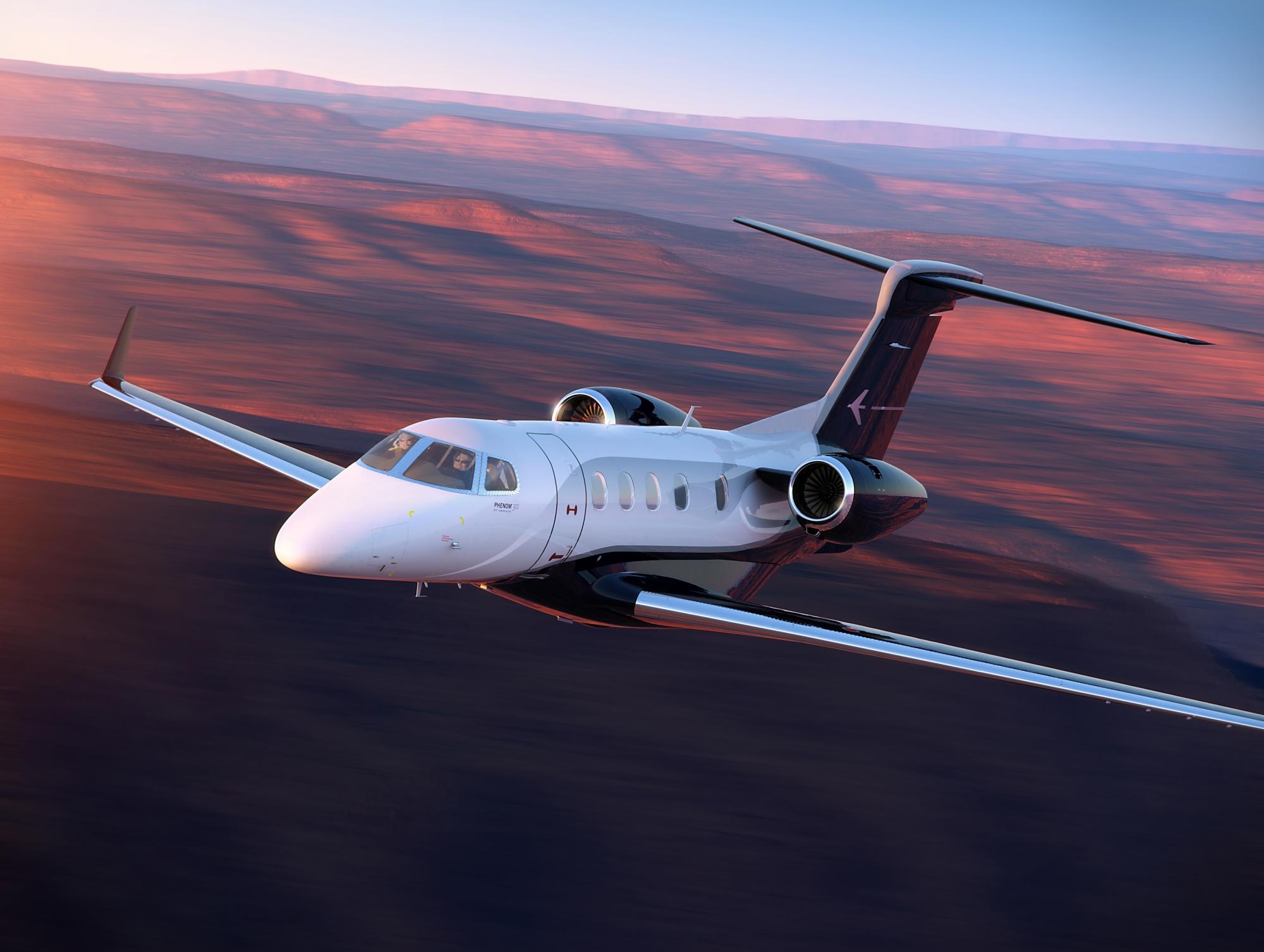
In today’s fast-paced world, the modern elite values time, privacy, and convenience above all else. A private jet isn’t just a luxury, it’s an essential tool for achieving efficiency, comfort, and success. If you’re considering buying a private jet, you’re not just making a purchase; you’re making a strategic investment that will elevate your lifestyle and business operations.
This comprehensive creative guide will walk you through everything you need to know about purchasing a private jet, from understanding your specific needs to navigating the complexities of jet ownership. Whether you’re new to aviation or a seasoned investor, this guide is designed to help you make the best, most informed decision for your unique circumstances.
- Why Invest in a Private Jet? Understanding the Value
Before diving into the specifics of purchasing a private jet, it’s important to understand the value it can bring to your life and business. For the modern elite, private jet ownership is more than a status symbol, it’s a game-changer.
- Time is Money
In today’s competitive world, time is one of the most precious resources. A private jet can drastically reduce travel time, enabling you to get to your destination faster, avoid long airport lines, and eliminate delays. This efficiency allows you to focus on what truly matters, your business, your family, and your personal well-being.
- Personalized Travel Experience
Flying privately offers unmatched comfort, convenience, and control over your schedule. Whether you’re heading to a business meeting, a vacation spot, or a remote location, a private jet allows you to design your flight around your needs and preferences.
- Investment in Security and Privacy
For high-profile individuals, security and privacy are paramount. A private jet offers peace of mind, allowing you to avoid crowded airports and minimize the risk of exposure or unwanted attention.
- Defining Your Needs: The First Step in the Process
Once you’ve established that a private jet is the right move, the next step is to define your specific needs. This will help you narrow down your options and make a more informed decision. Start by asking yourself the following questions:
- What Will You Use the Jet For?
Private jets serve a variety of purposes, from business travel to leisure, and sometimes a combination of both. Consider the frequency of your flights, the distance you need to travel, and the size of your typical travel party. Do you require a jet for cross-country business trips, or will you be using it primarily for international leisure travel?
- What Size and Type of Jet Are You Looking For?
Jets come in various sizes, ranging from light jets that seat 4-6 passengers to ultra-long-range aircraft that can carry up to 18 passengers. If you’re primarily traveling alone or with a small group, a light jet might suffice. However, for larger groups or longer distances, you may require a mid-size or heavy jet.
- What Level of Luxury Do You Want?
One of the major benefits of private jets is the ability to customize your flying experience. Some aircraft feature fully equipped bedrooms, lavish bathrooms, and spacious lounges, while others are more streamlined and functional. Define your level of luxury, as it will influence the model and customization options.
- How Often Will You Use the Jet?
Consider how frequently you’ll be flying. If you travel regularly for business or need the jet for frequent trips, a more durable, long-range aircraft may be worth the investment. For more occasional use, a smaller jet could be sufficient.
- Understanding the Costs of Private Jet Ownership
While purchasing a private jet is an exciting prospect, it’s crucial to understand the ongoing costs of ownership. This is where many prospective buyers miss the mark, assuming the purchase price is the only expense involved. Here’s a breakdown of what to expect in terms of costs:
- Initial Purchase Price
The initial cost of a private jet depends on its size, age, and model. A new light jet typically costs between $3 million and $6 million, while larger jets can range anywhere from $10 million to upwards of $75 million or more for top-tier luxury jets.
- Maintenance and Operational Costs
Annual Maintenance: Regular maintenance is essential to keep your jet in top flying condition. Expect to spend 5-10% of the jet’s value annually on maintenance, repairs, and part replacements.
Fuel and Operating Costs: The fuel cost for a private jet varies depending on its size and how frequently you fly. Long-haul jets consume more fuel, and shorter trips can be surprisingly costly due to airport fees and fuel surcharges.
Crew Salaries: If you’re opting for a full-time crew, including a pilot and flight attendants, factor in their salaries and benefits. These can range from $150,000 to $500,000 per year, depending on the size of the jet and the level of service provided.
Storage and Hangar Fees: Storing a private jet in a hangar can cost anywhere from $10,000 to $100,000 per year, depending on the location and the type of facility.
- Insurance Costs
Private jet insurance is another ongoing expense. The cost can vary based on the jet’s value, how often it’s flown, and its usage (business vs. personal). For a mid-sized jet, insurance may range from $30,000 to $75,000 annually.
- Other Miscellaneous Costs
These include airport fees, landing charges, catering, crew training, and other administrative costs. These factors should all be included in your long-term financial planning.
- Choosing Between New and Pre-Owned Jets
The next decision you’ll face is whether to buy a brand-new jet or a pre-owned one. Each option has its own set of pros and cons.
- New Jets
Customization: With a new jet, you have the opportunity to customize every detail, from the interior layout to the technology and amenities.
Warranty: A new jet typically comes with a manufacturer’s warranty, which can provide peace of mind during the first few years of ownership.
Price and Depreciation: A new jet comes at a premium price but loses value quickly, often as much as 15% to 20% in the first year. However, if you intend to keep the jet for a long time, this may not be a significant concern.
- Pre-Owned Jets
Lower Initial Cost: A used jet is typically far more affordable than a new one. For instance, you can find a high-quality pre-owned jet that is just a few years old for a fraction of the price of a new one.
Slower Depreciation: Used jets tend to depreciate more slowly than new ones, meaning you’ll lose less value if you decide to sell or trade-in the aircraft later.
Risk of Hidden Issues: The main drawback of buying a pre-owned jet is the potential for hidden maintenance issues. It’s crucial to conduct a detailed inspection and history check to ensure the jet’s condition is up to standard.
- Navigating the Jet Market: How to Find the Right Aircraft
Now that you have a clearer understanding of your needs and budget, it’s time to dive into the market. A few key considerations when searching for the right jet include:
- Aviation Brokers
Aviation brokers are invaluable when it comes to finding the right jet. They have access to a network of sellers and can help negotiate the best price. They can also assist in evaluating the jet’s condition, including arranging third-party inspections.
- Aircraft Listings and Auctions
You can also find jets through specialized online platforms and auction houses that list both new and used jets. This option may offer competitive prices but can also require additional research and due diligence.
- Attend Aircraft Expos and Auctions
Some buyers prefer to attend private jet expos or auctions, where they can see various models in person and meet sellers directly. This is an excellent way to compare different aircraft and find hidden gems.
- Closing the Deal: Essential Steps to Ensure a Smooth Transaction
Once you’ve chosen the right jet, the next step is closing the deal. This phase can be complex and involves several steps, such as:
- Legal Considerations
Ensure that you work with an aviation attorney to review all contracts, registration details, and insurance requirements. It’s essential to have legal representation to safeguard your interests.
- Inspection and Survey
Before finalizing the deal, arrange for a thorough inspection of the aircraft. This should be done by an independent aviation expert who can assess the jet’s condition, including engine health, airframe integrity, and any potential repairs.
- Finalize Financing and Payment
If you are financing the purchase, work with your bank or financial institution to finalize the loan terms and secure the necessary funds. If you’re paying in full, make sure the payment process is transparent and conducted through secure channels.
- Conclusion: Enjoying the Benefits of Private Jet Ownership
Purchasing a private jet is an exciting and rewarding experience. However, it requires careful planning, knowledge of the market, and a well-defined strategy. By understanding your needs, preparing for the costs, and working with the right experts, you can navigate the process with confidence.
This comprehensive creative guide is designed to ensure that your investment in a private jet is both successful and lucrative, allowing you to enjoy the countless benefits of private aviation for years to come. Whether you’re using your jet for business or leisure,
you’ll find that private jet ownership opens doors to new opportunities and a more flexible, luxurious lifestyle.