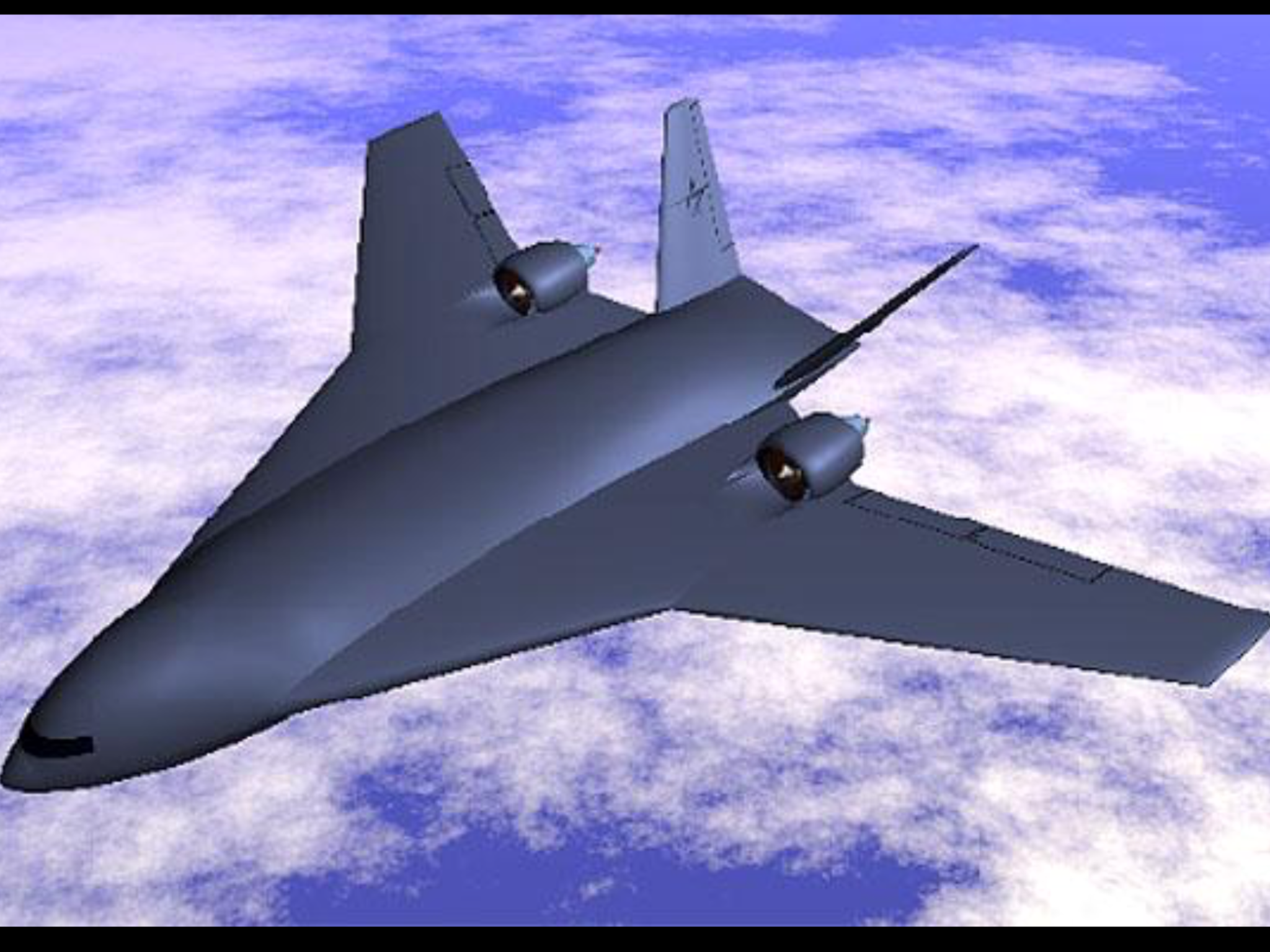
private jet technology privatejetia 2
How to Buy a Private Jet: A Creative Roadmap for Achieving Luxury Ownership
Owning a private jet is the summery of luxury, offering unmatched convenience, privacy, and exclusivity. However, buying a private jet is no small feat. It requires a blend of strategic planning, financial insight, and industry knowledge. In this comprehensive guide, we’ll walk you through a creative roadmap that covers every step of the process, from understanding your needs to making the purchase and maintaining your jet. Whether you’re an experienced investor or a first-time buyer, this guide will equip you with the essential strategies to achieve successful jet ownership.
Step 1: Define Your Purpose and Needs
Before you even begin browsing the market for jets, it’s crucial to identify your specific needs and the purpose of the aircraft. This will help you narrow down your options and ensure you choose the right jet for your lifestyle. Ask yourself these key questions:
Will the Jet Be for Personal or Business Use?
If you plan to use the jet for personal travel, factors like comfort, speed, and range will be most important. For business use, however, you may prioritize efficiency, the ability to conduct meetings in the air, or a larger capacity for accommodating executives.
How Often Will You Use the Jet?
Understanding how often you’ll use the jet can impact your decision regarding size, range, and type of jet. If you’re flying short trips frequently, a smaller jet might suffice. For long-haul flights, a larger jet with a longer range would be a better fit.
What Is Your Desired Level of Luxury?
If luxury is the ultimate goal, consider jets that offer bespoke interior design options and advanced amenities. Look into custom finishes, high-end technology, and private suites that fit your personal taste.
Once you’ve defined your needs, it’s time to move on to finding the perfect jet.
Step 2: Research the Jet Market
The private jet market can be overwhelming, but with the right research, you can make an informed decision. Here’s how you can begin:
Types of Private Jets:
Private jets come in a range of types, from light jets to ultra-long-range jets. Some common categories include:
Light Jets: Ideal for short-haul trips, typically seating 4 to 6 passengers.
Midsize Jets: Offers more space and longer range, suitable for medium-distance flights.
Heavy Jets: Designed for long-haul flights and can seat up to 15 passengers or more.
Ultra Long-Range Jets: Best for non-stop international flights, with luxury amenities.
Understand the differences and match the jet type to your flight needs.
New vs. Pre-Owned Jets:
New jets are perfect for those who want the latest technology and a pristine flying experience. However, they come with a premium price tag. Pre-owned jets can provide significant cost savings but require thorough inspections to ensure their condition. Both options have pros and cons, so evaluate which one fits your budget and long-term goals.
Market Trends and Demand:
The private jet market fluctuates based on factors such as demand, economic conditions, and geopolitical events. It’s crucial to monitor these trends. For example, during economic booms, jets with larger cabins or advanced technology may see increased demand.
Step 3: Work with Experts and Brokers
Purchasing a private jet is a significant investment, and navigating the complexities of the market can be challenging. This is where working with aviation experts and brokers can be a game-changer. Here’s how they can assist you:
Access to Exclusive Listings:
Expert brokers often have access to off-market listings, giving you an edge in finding jets that aren’t publicly advertised. These jets might be in pristine condition or at a more attractive price.
Negotiation Skills:
A seasoned broker can help you negotiate the best price by leveraging their market knowledge and relationships. They’ll ensure you don’t overpay or overlook hidden costs, like maintenance fees or repairs.
Legal and Financial Assistance:
Aviation transactions involve intricate legal contracts, tax implications, and ownership structures. Brokers and consultants with experience in these areas will ensure that your purchase is legally sound and financially beneficial.
Inspection and Due Diligence:
A broker can help arrange for independent inspections, which are essential when purchasing pre-owned jets. This process ensures the aircraft is in excellent condition and that there are no hidden surprises.
Step 4: Financing Your Private Jet
Buying a private jet is a significant financial commitment, and while many buyers choose to pay in full, there are creative ways to finance the purchase:
Jet Financing Loans:
Many financial institutions offer loans specifically for jet purchases. These loans typically come with competitive interest rates and flexible terms based on the value of the jet.
Leasing and Fractional Ownership:
If full ownership isn’t necessary, fractional ownership or leasing could be a better option. Fractional ownership allows you to buy a share in a jet, meaning you only pay for the hours you use, which can make jet ownership more affordable. Leasing offers similar flexibility, where you can rent the jet for a set period.
Tax Considerations:
If you’re purchasing the jet for business purposes, be sure to work with an accountant who understands aviation-related tax laws. Certain costs may be deductible, and structuring the purchase correctly can save you money in the long run.
Step 5: Finalizing the Purchase and Legal Considerations
Once you’ve selected the right jet and negotiated a fair price, it’s time to finalize the deal. This stage requires careful attention to detail to ensure everything goes smoothly:
Ownership Structures:
Many jet owners create LLCs or other legal entities to hold the jet. This can offer liability protection and tax benefits. Consult with an aviation attorney to decide on the best structure for your situation.
Contract Review:
The sales contract will outline the terms of the purchase, including price, delivery dates, warranties, and more. Ensure that the contract reflects your needs and that you fully understand the terms before signing.
Insurance and Registration:
Your jet will require insurance to protect it from damage, theft, or accidents. Make sure you choose a comprehensive policy that covers all potential risks. Additionally, the jet must be registered with aviation authorities, which brokers or consultants can help with.
Step 6: Jet Management and Ongoing Expenses
After the purchase, your journey as a jet owner continues. Proper management of your jet is essential to ensure it remains in top condition and to maximize its value:
Jet Management Companies:
Hiring a jet management company can take the stress out of owning a private jet. These companies handle everything from hiring pilots and crew to maintenance and flight scheduling.
Maintenance and Inspections:
Even new jets require routine maintenance. Keep track of inspection schedules and regular servicing to maintain your aircraft’s value and ensure safety.
Fuel, Staffing, and Operational Costs:
Keep in mind that owning a private jet is expensive. Operating costs include fuel, staff salaries (pilots, cabin crew, and ground staff), hangar fees, and maintenance costs. These ongoing expenses can add up, so it’s important to budget accordingly.
Conclusion: Achieving Luxury Ownership with Confidence
Owning a private jet is more than just an indulgence, it’s a smart investment that requires thoughtful planning, research, and execution. By following this creative roadmap, you can ensure that you make informed decisions every step of the way. From defining your goals and researching the market to working with experts and managing the jet after purchase, the path to luxury ownership is within reach. Remember, a private jet is not just a mode of transportation, but an asset that can elevate your lifestyle and bring unmatched convenience. Happy flying!


