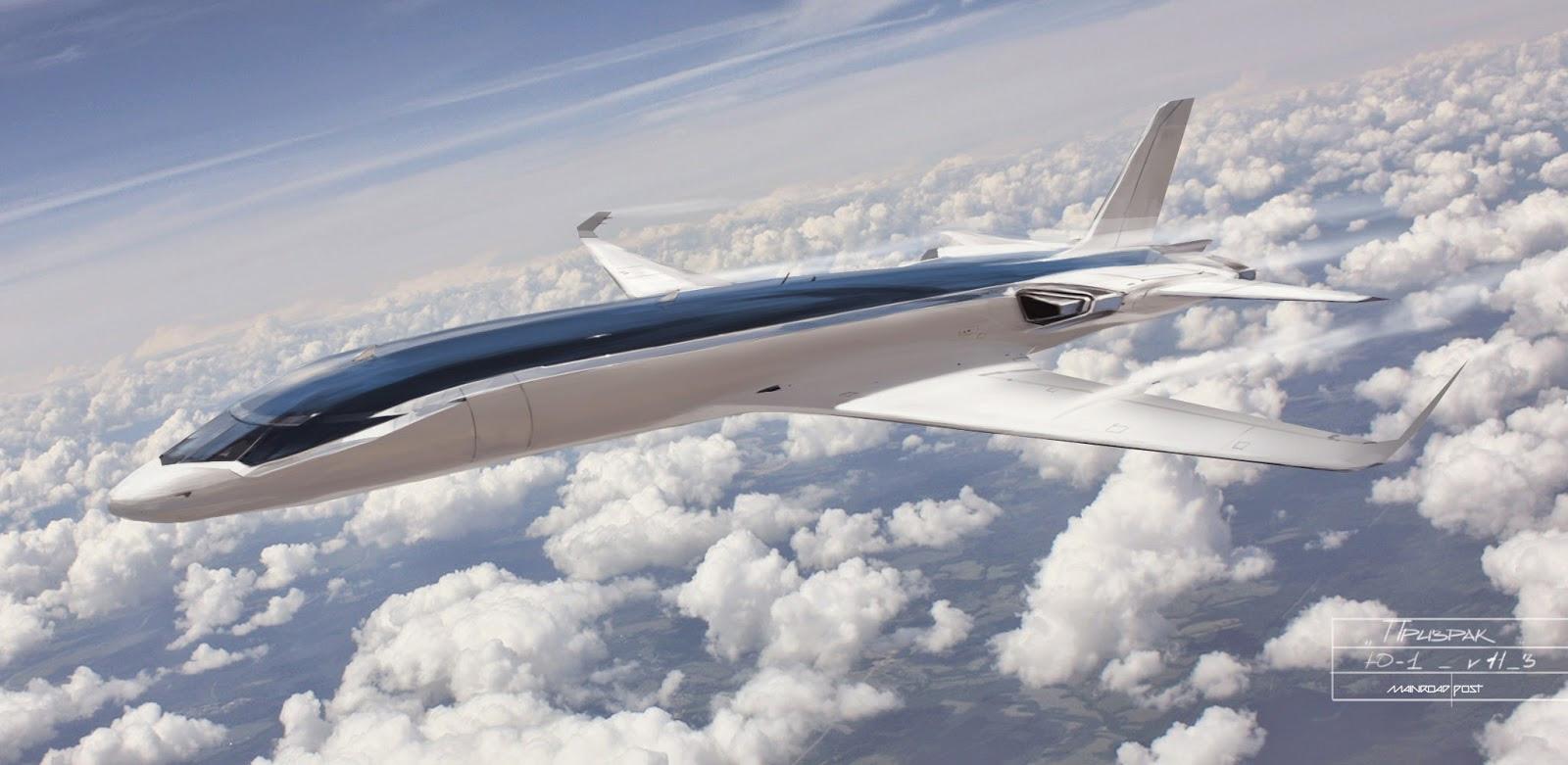
When it comes to purchasing a private jet, the process is not as simple as selecting an option off the shelf. Whether you’re seeking personal luxury, business efficiency, or an investment opportunity, purchasing a private jet requires a strategic approach that ensures your decision is not only smart but also profitable in the long run. In this guide, we will explore creative approaches that will lead you to a lucrative purchase, making sure your private jet acquisition is as successful as it is satisfying.
- Define Your Purpose and Investment Goals
The first step in buying a private jet is understanding exactly why you’re making the purchase. This decision will influence the type of aircraft you select and how you plan to manage the investment.
Personal vs. Business Use
Personal Use: If the jet is primarily for personal use, comfort, and convenience will be top priorities. You may want to focus on aircraft that offer luxurious interiors, excellent flight performance, and long-range capabilities for international travel.
Business Use: If the jet is intended to enhance your business operations, efficiency, and the ability to travel across multiple locations in a short amount of time will be key considerations. Aircraft like the Gulfstream G500 or Bombardier Global 6000 are highly favored for their speed, long-range, and business-friendly features.
Investment Purposes
If your primary goal is to generate income from the jet, whether through chartering or leasing, this should be factored into your decision-making process. Focus on jets with strong resale values, low operating costs, and wide appeal in the charter market. Aircraft like the Embraer Phenom 300 or Cessna Citation XLS are popular for their versatility, fuel efficiency, and high demand in charter fleets.
- Conduct a Thorough Market Analysis
Before committing to a private jet purchase, conducting a market analysis is essential. This step allows you to understand trends in the aviation industry, supply and demand, and how these factors will affect the price and resale value of the jet you are interested in.
Market Trends
Post-COVID Growth: Since the pandemic, private aviation has seen an increase in demand. More people and companies are seeking the privacy and safety of private jets. The trend has been particularly strong in the charter market, which is growing exponentially.
Sustainable Aviation: With the push for eco-friendly solutions, many buyers are opting for jets that offer lower emissions or are equipped with more sustainable features. The rise of electric jets and biofuels is an important trend to watch.
Aircraft Supply and Demand
The demand for certain jet models fluctuates depending on market conditions. Some models, like the Gulfstream G650ER or Bombardier Global 7500, are highly sought after for their cutting-edge technology and luxury features, which means they tend to retain their value well.
Understanding what’s in demand will help you choose an aircraft that’s not only perfect for your needs but also a good investment for the future. Pay attention to limited edition models and new releases, as these can often attract premium resale values.
- Select the Right Aircraft Model
Choosing the right aircraft is essential to making a smart, profitable purchase. Different jet models offer varying features, performance capabilities, and values, so selecting the right one for your purposes is crucial.
Factors to Consider
Range: Depending on the regions you plan to fly, you may require a jet with longer range capabilities. For example, if you need to travel across continents or fly non-stop from New York to Tokyo, models like the Gulfstream G700 or Bombardier Global 8000 are excellent options.
Passenger Capacity: The number of seats you need will influence your choice. If your focus is business, models like the Dassault Falcon 7X or Bombardier Challenger 350 are great for smaller, efficient travel. Larger models, such as the Gulfstream G650ER, offer ample space for larger groups.
Cabin Comfort: If your jet will serve as a space for relaxation, luxury interiors with comfortable seating, advanced entertainment systems, and state-of-the-art amenities will be a top priority. Brands like Dassault and Gulfstream offer high-end cabin options that are customizable to meet your preferences.
Brand Reputation
Gulfstream, Bombardier, Dassault, and Embraer are among the top manufacturers that maintain excellent reputations for quality, performance, and customer satisfaction.
Pre-Owned Aircraft: Consider the availability and condition of pre-owned aircraft. A high-quality used jet can be a great investment if it’s well-maintained and comes from a reputable seller. Ensure you inspect all maintenance records before making any decisions.
- Creative Financing Strategies for Private Jet Purchases
Private jets represent a significant financial commitment, and financing plays a pivotal role in making a purchase that suits your budget and investment objectives. Here are a few creative financing strategies to consider:
Traditional Aircraft Loans
You can finance your jet purchase with a traditional aircraft loan. These loans are similar to mortgages but tailored for aviation purchases. They usually require a significant down payment, and the interest rates depend on your creditworthiness and the age of the aircraft.
Leasing Options
If you’re looking to minimize the upfront cost while retaining the ability to use the jet for your own needs, consider leasing the jet instead of buying outright. There are two primary leasing options:
Operating Lease: This type of lease allows you to use the jet for a set period without acquiring ownership, making it a cost-effective option if you don’t need long-term ownership.
Finance Lease: This type of lease is more aligned with ownership, where you may have the option to purchase the jet at the end of the lease term.
Fractional Ownership
Fractional ownership is another creative way to finance a private jet. By buying a share in a jet, you can enjoy the benefits of ownership without the full financial responsibility. Companies like NetJets or Flexjet offer fractional programs that allow you to purchase a percentage of a fleet of jets. This option is particularly attractive if you need a jet for business but don’t want to take on the full cost of ownership.
Tax Benefits
Buying a private jet can offer substantial tax advantages. Some jurisdictions allow tax deductions for business-related jet purchases, and there are also depreciation benefits that can help offset the costs over time. Consult with a tax advisor to ensure you’re maximizing the financial benefits of your investment.
- Managing Your Investment for Profit
Once you’ve purchased your private jet, it’s important to manage it properly to ensure that it continues to be a profitable asset. Maintenance, charter services, and leasing can all play a role in maximizing the returns on your investment.
Charter and Leasing
If you’re not using your jet regularly, you can lease it out or list it for charter services. This allows you to earn a steady stream of income while maintaining ownership of the jet.
Charter services are in high demand, particularly in business aviation, which often sees long-term leases and profitable returns on luxury jets.
Regular Maintenance
To preserve your investment, make sure your aircraft receives regular maintenance and care. Regular inspections and up-to-date certifications will help protect the resale value and ensure the jet is always in optimal condition.
Upgrades and Modifications
As part of your long-term strategy, consider upgrading or customizing your jet to maintain its appeal in the market. Whether you’re adding new technology, improving the interior, or upgrading avionics, these modifications can increase the aircraft’s value and make it more marketable in the future.
- Resale and Exit Strategy
Eventually, you may decide to sell your private jet. Having an exit strategy is an important part of any investment. By following best practices for maintenance, keeping accurate records, and monitoring market trends, you can sell your jet for a profit.
Timing the Sale
The right timing is crucial when selling your jet. Pay attention to market conditions, such as aviation trends and the economic climate, as these factors influence demand and the resale price of aircraft.
Hiring a Broker
Engaging a private jet broker can help you maximize the sale price by connecting you with potential buyers. Brokers have insider knowledge of the market and can help facilitate a smooth, profitable transaction.
Conclusion
Buying a private jet is more than just a luxury purchase, it’s an investment that requires careful thought, strategy, and creative approaches to ensure you maximize the value of your asset. By following the steps outlined in this guide, including defining your investment goals, selecting the right aircraft, utilizing creative financing options, and exploring ways to generate income, you can make a smart and lucrative purchase that offers both personal satisfaction and long-term financial benefits. Whether you’re purchasing for personal use, business efficiency, or investment purposes, the private jet market offers ample opportunities to maximize returns and achieve success in aviation ownership.