


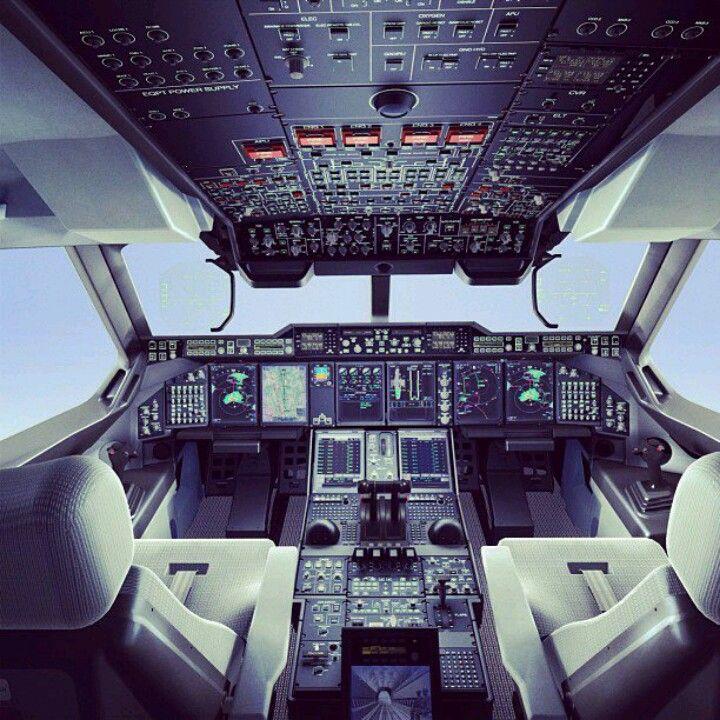
Buying a private jet is a major milestone and an exciting venture for those who seek luxury, efficiency, and flexibility in their air travel. However, the process of acquiring a private jet can often seem overwhelming due to the complexity and large financial commitment involved. With the right knowledge, guidance, and strategies, you can ensure a seamless and successful jet acquisition process. Here are expert creative tips to help you navigate the journey from initial consideration to final purchase with confidence and ease.
- Define Your Jet Usage and Preferences
Before diving into the purchase process, it’s important to fully understand your travel needs. By defining the purpose of your jet, you can ensure that you choose the right aircraft for your lifestyle and business demands. Here’s what to consider:
Purpose: What will be the primary use of the jet? If you need the jet for business purposes, consider a model that has a spacious cabin for meetings, conferences, and productivity on the go. For leisure travel, focus on comfort, entertainment options, and relaxation features. Also, consider how frequently you will fly, whether it’s for international flights, regional trips, or short-haul flights.
Passenger Capacity: How many passengers do you usually travel with? Some jets can accommodate as few as four passengers, while others can comfortably seat 10 or more. Ensure the jet has the capacity to match your typical travel needs.
Range and Performance: Consider how far and how often you will be flying. If you travel long distances or across continents, a long-range jet will be essential. Smaller, more nimble jets are suitable for regional or short-distance trips.
By clearly understanding the purpose, capacity, and performance requirements, you’ll be better prepared to narrow down your choices and avoid unnecessary options or features that drive up costs.
- Partner with an Aviation Consultant
The private jet market is vast and complex, with a range of aircraft models and varying price points. To ensure that you make the best decision, consider working with an experienced aviation consultant or broker. Here’s why:
Expert Guidance: Aviation consultants specialize in matching buyers with the ideal aircraft based on their preferences, usage, and budget. They have the expertise to navigate the complexities of the market and will be able to offer you objective advice on various models, manufacturers, and pricing.
Access to Off-Market Jets: Many private jet deals are made off-market, meaning that some jets aren’t publicly listed or advertised. A consultant often has access to these off-market jets, giving you a wider selection of options that you might not otherwise have known about.
Negotiation Power: A consultant’s knowledge of the market and understanding of fair pricing can help you avoid overpaying. They are skilled negotiators and can advocate for your interests to secure the best possible deal.
Working with a trusted aviation consultant allows you to benefit from their insider knowledge and secure the best possible terms during your private jet purchase.
- Evaluate New vs. Pre-Owned Jets
When it comes to buying a private jet, one of the most significant decisions you’ll need to make is whether to purchase a new jet or a pre-owned one. Each option has its advantages and disadvantages:
New Jets: Purchasing a new jet ensures that you are getting the latest technology, customizations, and a pristine condition. You can personalize your jet to your exact specifications and enjoy peace of mind knowing that the aircraft has not been previously used.
Pre-Owned Jets: Pre-owned jets can offer significant savings compared to new models, often for only a fraction of the cost. However, it’s essential to ensure that the jet has been well-maintained and properly serviced throughout its history. Pre-owned jets can also offer more immediate availability compared to waiting for a new aircraft to be built.
When evaluating a new vs. pre-owned jet, take into account your preferences, budget, and timeline. Pre-owned jets may require more due diligence in terms of maintenance checks and inspections, while a new jet will come with a higher price tag but fewer risks.
- Understand the Total Cost of Ownership
While the purchase price of a private jet is often the most significant expense, it is far from the only one. The total cost of ownership includes a wide array of ongoing expenses that can add up significantly over time. Here’s what to consider:
Operating Costs: Owning a private jet means you’ll need to cover operating costs such as fuel, maintenance, insurance, and pilot salaries. These costs will vary depending on the size and type of the jet, as well as the frequency of use.
Maintenance and Repairs: Regular maintenance is essential to keeping your jet in optimal condition. These costs can vary based on the aircraft’s age, model, and usage. It’s important to allocate funds for routine inspections, repairs, and any upgrades or modifications.
Storage and Hangar Fees: Storing your private jet in a secure hangar is another essential cost to factor into the budget. Hangar fees can vary depending on location and the size of the aircraft.
Depreciation: Like any vehicle, jets depreciate over time. However, some models retain their value better than others. Choose an aircraft that is known for holding its value well if you plan to sell or trade it in the future.
By factoring in all of the ongoing costs, you’ll ensure that you are fully prepared for the financial commitment of private jet ownership.
- Conduct a Thorough Inspection
Before finalizing any purchase, especially when buying a pre-owned jet, it’s crucial to conduct a thorough inspection. You should engage an independent aviation expert to perform a comprehensive assessment of the jet. The key aspects to check include:
Maintenance History: Review the jet’s complete maintenance and repair history to ensure that it has been regularly serviced and that no major issues have been overlooked. You’ll want to see detailed records of any work done on the jet, including engine repairs and structural inspections.
Aircraft Condition: A physical inspection of the jet is essential to confirm that it’s in good condition. An aviation expert can assess the structural integrity of the aircraft, including its wings, fuselage, and engine compartments, and look for any signs of damage, wear, or potential issues.
Flight Hours and Engine Health: The number of flight hours the jet has logged is important, as it directly impacts the condition of the aircraft’s engines and components. A high number of flight hours can indicate more wear and tear, but it’s also essential to assess the age and health of the engines to determine their remaining useful life.
- Explore Financing and Leasing Options
Many buyers opt for financing or leasing to make their private jet acquisition more manageable from a financial standpoint. Here’s a breakdown of both options:
Financing: If you don’t want to pay the full purchase price upfront, financing allows you to spread the cost over time. Most lenders require a down payment and will evaluate your financial situation before approving a loan. Financing options typically have terms ranging from 5 to 20 years, depending on the lender and the price of the jet.
Leasing: Leasing can be a more flexible option, especially if you need a jet for a limited time or don’t want to commit to full ownership. With leasing, you can make monthly payments for the use of the aircraft, often with the option to purchase the jet at the end of the lease term. Leasing is ideal if you want to avoid the long-term commitment of ownership while still enjoying the benefits of a private jet.
Each option comes with its own set of benefits and considerations, so it’s important to carefully assess your financial situation and long-term goals before deciding on the best method for acquiring your jet.
- Ensure Legal and Regulatory Compliance
There are numerous legal and regulatory considerations when buying a private jet, including aviation laws, taxes, and ownership regulations. Make sure to work with a legal expert who specializes in aviation law to ensure that your purchase complies with all necessary regulations. Key considerations include:
Registration and Ownership: You’ll need to register the aircraft with the relevant aviation authorities in your country. Ownership can be structured in various ways, such as through a private individual, a company, or a trust. The structure you choose will affect your tax obligations and potential liabilities.
Aviation Regulations: Be sure that the aircraft complies with all aviation safety and operational regulations. This includes meeting the necessary certification requirements for flight operation, as well as environmental and noise regulations.
Insurance: Obtaining the appropriate insurance coverage for your jet is essential to protect your investment. The type and extent of insurance coverage will depend on the size of the jet, the type of travel, and the number of crew members.
- Close the Deal with Confidence
After thoroughly researching your options, consulting with experts, and completing inspections, you’ll be ready to close the deal. Here’s what to keep in mind during this final step:
Negotiate Terms: Work with your consultant or broker to negotiate favorable terms, including pricing, warranties, and post-purchase support. Don’t hesitate to ask for additional perks, such as extended warranties or maintenance agreements, to ensure peace of mind.
Finalize Financing or Lease: If you are financing or leasing the jet, ensure that all financial arrangements are in place before finalizing the transaction. Work with your lender or lessor to secure the necessary financing documents.
Review the Contract: Before signing any documents, carefully review the contract to ensure that all terms are clear and that there are no hidden clauses that could cause issues down the line.
By staying organized and confident during the final stages, you’ll ensure a smooth transaction and a successful purchase.
Conclusion
Buying
a private jet is a complex process, but with the right guidance, research, and strategy, you can navigate the process with ease. From defining your needs to evaluating financing options, conducting inspections, and ensuring compliance, these expert creative tips will help you secure the perfect aircraft for your lifestyle. With careful planning and due diligence, your private jet purchase can be a rewarding and successful investment that enhances your travel experiences for years to come.


