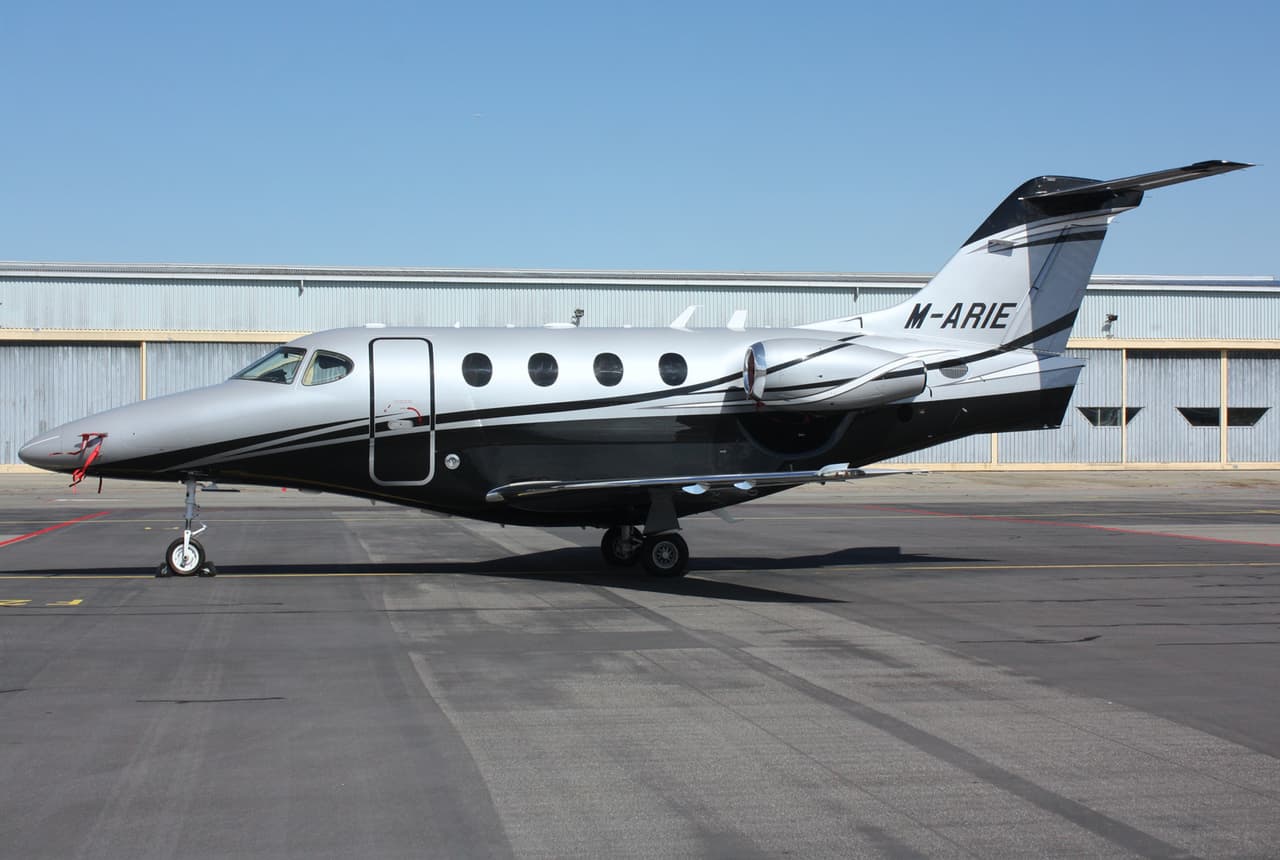
Private jet ownership is a significant financial commitment, and while the benefits of having a private jet at your disposal are clear, the tax implications can often be complicated. For high-net-worth individuals, corporations, and investors, optimizing private jet tax benefits is crucial for reducing liabilities and ensuring compliance with regulations. However, with the right legal structure and tax strategies, jet owners can minimize their tax burdens while still reaping the rewards of luxury aviation. In this guide, we will explore how to legally optimize your private jet tax benefits, offering creative strategies for maximizing efficiency and ensuring you get the most out of your investment.
The Importance of Legal Tax Optimization in Private Jet Ownership
Private jets can be used for both personal and business purposes, which is why tax regulations surrounding them can be complex. The ownership and use of a private jet typically involve a variety of taxes, including sales tax, property tax, fuel tax, and, in some cases, international tax considerations. Navigating these taxes while ensuring you take full advantage of any available tax benefits requires careful planning.
When done correctly, tax optimization can lead to significant savings and ensure you’re complying with all applicable laws. Without proper tax strategies, you risk facing hefty penalties, or worse, missing out on tax-saving opportunities that could make private jet ownership far more cost-effective. As the regulatory environment evolves, particularly in the areas of environmental taxation and corporate compliance, it’s vital to stay ahead of changes and tailor your approach to new tax requirements.
Key Legal Structures for Private Jet Ownership
The first step in legally optimizing your private jet tax benefits is understanding the ownership structures that can help minimize taxes. There are several creative legal frameworks to consider when owning a private jet, each offering distinct benefits depending on the owner’s needs and objectives.
- Special Purpose Vehicles (SPVs)
One of the most effective ways to optimize your private jet tax benefits is through the creation of a Special Purpose Vehicle (SPV). An SPV is a separate legal entity that is specifically established to own and operate a specific asset, in this case, a private jet. By setting up an SPV, owners can segregate the jet’s assets and liabilities from their personal or corporate finances, potentially reducing tax exposure and increasing flexibility in terms of asset management.
This structure also provides benefits when it comes to capital allowances and depreciation. In certain jurisdictions, SPVs can claim accelerated depreciation for the jet, reducing taxable income in the early years of ownership. Furthermore, if the jet is used for business purposes, the SPV may be able to deduct the operating costs of the jet, including maintenance, fuel, and crew salaries, further lowering taxable income.
The SPV ownership model is particularly useful for high-net-worth individuals who want to minimize their exposure to liability or for businesses that use their jets for both corporate and personal purposes. This structure allows owners to carefully allocate expenses between personal and business use, ensuring they can claim deductions for legitimate business-related expenses.
- Trusts and Family Wealth Structures
Another strategy for optimizing private jet tax benefits is to place the aircraft in a trust or family wealth structure. By creating a trust, jet owners can manage the ownership and use of the aircraft while minimizing estate taxes and protecting assets from creditors. This structure is particularly beneficial for those looking to pass on the jet to future generations in a tax-efficient manner.
Trusts can also be used to shield the jet from potential estate and inheritance taxes, which can be substantial. In some jurisdictions, trusts can be structured in such a way that the income generated from the aircraft’s use, such as charter income or leasing fees, is taxed at lower rates. This strategy is ideal for those with a long-term view of private jet ownership and a desire to ensure their family or heirs benefit from the asset in the most tax-efficient way possible.
- Corporate Ownership
For business owners or entrepreneurs who use a private jet for business purposes, owning the jet through a corporation can offer significant tax benefits. In this case, the corporation can claim the jet as a capital asset and write off operating costs, depreciation, and even financing expenses as business deductions.
The tax benefits of corporate ownership are particularly useful for individuals who use their jet for regular business travel or to visit multiple locations in different tax jurisdictions. Depending on the jurisdiction, corporate ownership may allow for better access to tax credits, tax deductions, and more favorable depreciation schedules than personal ownership.
Maximizing Tax Benefits with Creative Strategies
Once the legal structure for ownership has been decided, there are several creative strategies that private jet owners can employ to further optimize their tax benefits. These strategies can help you maximize tax deductions, reduce liabilities, and ensure you are compliant with local and international regulations.
- Utilizing Depreciation and Capital Allowances
One of the most powerful tools for reducing your private jet tax burden is depreciation. Depreciation is a non-cash expense that allows you to deduct the cost of the jet over time, typically through accelerated depreciation schedules. Depending on the jurisdiction, private jet owners can often deduct a significant percentage of the aircraft’s purchase price in the first few years, helping to offset the initial investment.
Accelerated depreciation can be claimed by both individual and corporate owners. For example, in the United States, the Modified Accelerated Cost Recovery System (MACRS) allows for five-year depreciation of aircraft, meaning that owners can deduct a large portion of the jet’s value in the first few years of ownership. This provides a huge tax advantage in the early stages of ownership.
In addition to depreciation, some tax laws allow for capital allowances, which provide further deductions for the jet’s value. Working with a tax professional to understand the most efficient depreciation schedule for your aircraft can help ensure you are taking full advantage of these opportunities.
- Business Use and Leaseback Strategies
For those who use their private jets for both personal and business purposes, leaseback strategies can be a valuable tool for optimizing tax benefits. Under a leaseback arrangement, the jet is owned by a separate legal entity, such as a corporate or family trust, and leased back to the individual or business owner for personal or business use. This allows the owner to deduct leasing expenses while ensuring the jet is available for personal use.
A well-structured leaseback can help distribute ownership and reduce personal tax exposure. It can also make the jet’s usage more tax-efficient by allocating the right amount of expense deductions to business activities. This strategy is particularly useful for those who do not want to take on the full tax burden of ownership or who have fluctuating business needs.
- Chartering Your Private Jet
Another creative way to optimize tax benefits is by chartering your private jet. For jet owners who have periods where the aircraft is not in use, leasing the jet out to third parties can generate additional revenue while helping to offset some of the operating expenses. In some jurisdictions, income earned from leasing out the aircraft may be subject to lower tax rates, depending on the nature of the transaction.
This strategy is especially beneficial for owners who only use their jets on occasion and are looking for ways to maximize the investment. By setting up a charter business and leasing the jet to other parties when not in use, owners can increase their cash flow and potentially offset costs like maintenance, insurance, and staffing.
- Using Sustainable Aviation Fuel (SAF) for Tax Credits
As environmental concerns continue to shape the global tax landscape, owners of private jets can take advantage of tax incentives related to sustainable aviation fuel (SAF). Many countries are offering tax credits and incentives to businesses and individuals who use SAF in their aircraft, as SAF is considered a cleaner alternative to traditional aviation fuel.
By using SAF, jet owners can reduce their carbon footprint and qualify for green tax incentives. Some jurisdictions offer credits or rebates for companies that use SAF, reducing their operating costs and, in some cases, providing a direct tax reduction.
Conclusion: Maximizing Your Private Jet Tax Benefits
Optimizing private jet tax benefits involves a combination of creative legal structures and strategic tax planning. By using special purpose vehicles, family trusts, corporate ownership, and exploring leaseback and charter strategies, jet owners can significantly reduce their tax liabilities while ensuring compliance with evolving regulations. Moreover, taking advantage of opportunities like accelerated depreciation, sustainable aviation fuel credits, and green aviation incentives can provide further financial benefits.
The key to optimizing your private jet tax benefits lies in crafting a tailored strategy that suits your personal or business needs. Working closely with tax professionals and legal experts is essential for staying ahead of regulatory changes and maximizing efficiency. With the right approach, private jet ownership can become a far more cost-effective and tax-efficient investment.