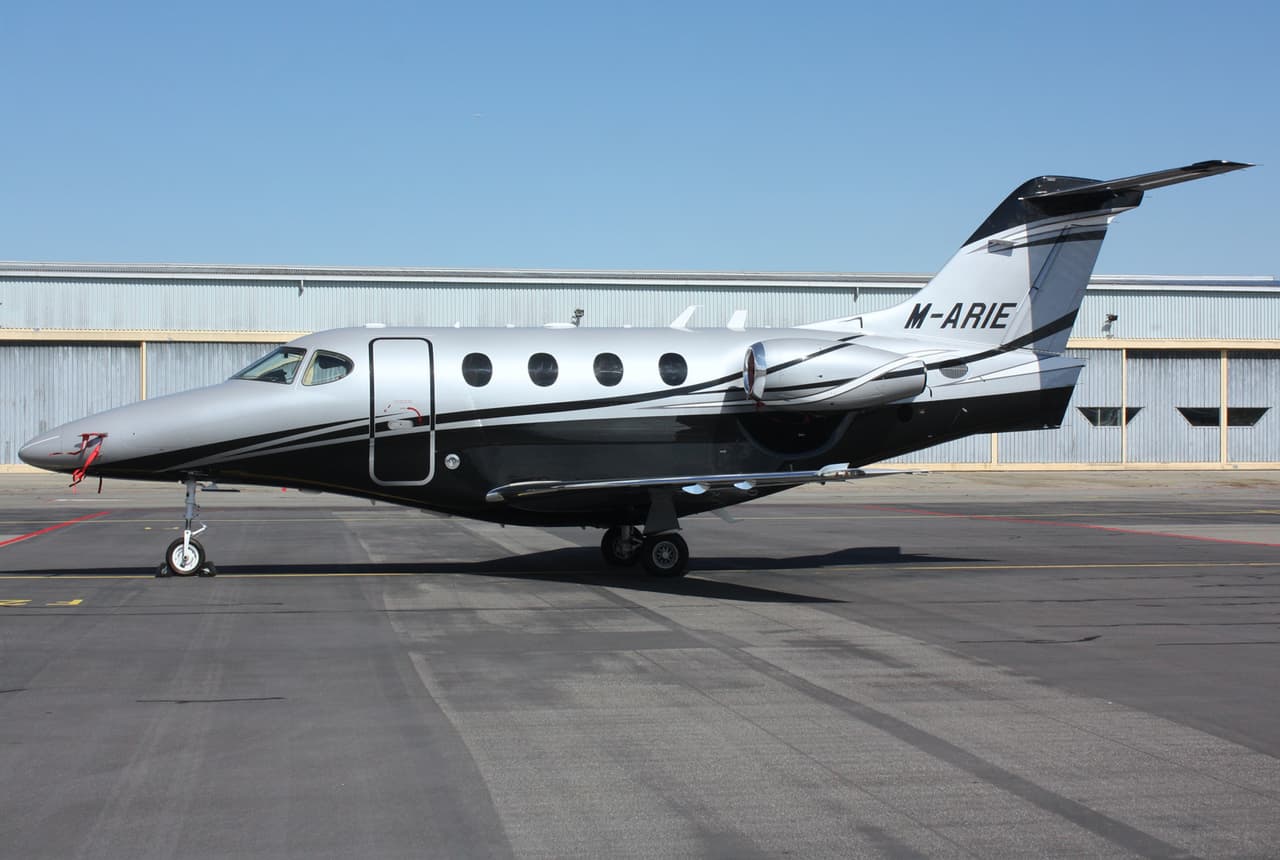
Owning a private jet is a symbol of prestige and convenience, but it also comes with significant financial obligations, especially when it comes to taxes. In fact, understanding and optimizing your private jet’s tax status can be a critical part of ensuring that you maximize the value of your investment while minimizing unnecessary liabilities. With the right strategies and a keen eye for detail, you can navigate the complex tax landscape and legally optimize your private jet ownership.
This article explores creative and effective strategies that private jet owners can use to legally optimize their aircraft’s tax status. Whether you are a first-time owner or a seasoned aviation enthusiast, this guide will help you gain valuable insights into how to reduce your tax burden while staying compliant with tax laws.
- Choose the Right Ownership Structure
One of the first and most important steps in optimizing your private jet’s tax status is to decide on the most advantageous ownership structure. The ownership structure you choose will significantly impact the taxes you pay, the liability you incur, and the overall financial efficiency of owning the jet.
1.1. Using a Corporate Structure for Ownership
A corporate structure can provide several advantages, especially when the private jet is used for business purposes. By creating a corporation or an LLC (Limited Liability Company), you can potentially deduct the costs of the jet, including maintenance, crew salaries, and fuel, as business expenses. This strategy works particularly well if the private jet is used for business trips and corporate meetings.
Creative Strategy:
For business owners, structuring the jet under a corporate entity can help reduce personal income taxes by shifting jet-related expenses to the corporation. Additionally, many jurisdictions allow depreciation on business assets, which could lead to substantial tax savings over time. The key is to ensure that the aircraft is primarily used for business purposes, as personal use may jeopardize the tax benefits.
1.2. Leasing the Aircraft to Your Business
Another common strategy for optimizing a private jet’s tax status is leasing the aircraft to a business. If you own the jet personally but use it for business purposes, leasing the aircraft to the business entity can provide tax benefits. In this structure, the business can deduct the lease payments as business expenses, and you, as the owner, receive rental income, which could be taxed at a lower rate.
Creative Strategy:
This approach works best when you have a highly profitable business that requires frequent air travel. The business can deduct the lease payments as a business expense, while you, as the owner, benefit from the income stream generated from the lease. This approach can reduce both personal and business tax liabilities.
1.3. Offshore Ownership for Tax Efficiency
In some cases, establishing an offshore entity to own your private jet may offer tax benefits, particularly if the jet is used internationally. Some jurisdictions, such as the Cayman Islands or Isle of Man, offer favorable tax laws for aircraft ownership. By establishing an offshore trust or a Special Purpose Vehicle (SPV), owners may be able to take advantage of lower taxes on aviation-related activities, including import duties and sales taxes.
Creative Strategy:
Setting up an offshore ownership structure can help reduce the amount of taxes levied on the jet in your home country. However, this strategy requires careful planning and adherence to international tax laws to ensure compliance with both domestic and international tax requirements. Consulting with an international tax advisor is essential to ensure the structure is both legal and tax-efficient.
- Optimize the Use of Depreciation and Tax Deductions
Private jets are considered depreciable assets, which means you can use depreciation deductions to offset the jet’s value over time. This can significantly reduce the amount of taxable income you report, leading to lower overall tax liabilities. There are several depreciation methods available, and choosing the right one can have a major impact on your tax status.
2.1. Accelerated Depreciation: Section 179 and Bonus Depreciation
Under U.S. tax law, private jet owners may qualify for accelerated depreciation under Section 179 or bonus depreciation provisions. Section 179 allows business owners to deduct the entire cost of a new or used jet in the year it is purchased, up to certain limits. Meanwhile, bonus depreciation allows you to depreciate the jet’s value at a faster rate in the initial years, which can provide substantial tax relief.
Creative Strategy:
To maximize the benefits of accelerated depreciation, consider purchasing a new or used jet that qualifies for these deductions. If the jet is used for business purposes, you may be able to deduct the full cost in the first year, which can significantly reduce your taxable income.
2.2. Ongoing Tax Deductions for Operating Expenses
In addition to depreciation, you can deduct ongoing expenses related to operating your private jet. These may include fuel costs, maintenance, crew salaries, hangar fees, and insurance. These deductions can be substantial, particularly for jets used for business purposes.
Creative Strategy:
Keep thorough records of all expenses related to the jet and ensure that you are deducting all qualified operating expenses. By doing so, you can offset a significant portion of your taxable income and reduce your overall tax burden. If your private jet is used both for business and personal purposes, careful tracking of the usage percentage will help ensure that you are deducting the appropriate portion of your expenses.
- Take Advantage of Tax Credits and Incentives
There are various tax credits and incentives available that can further reduce the tax burden on private jet owners. These credits are designed to encourage environmental responsibility, job creation, and the use of new technologies in aviation.
3.1. Tax Credits for Sustainable Aviation Technologies
With the growing focus on sustainability, some jurisdictions are offering tax credits for aircraft that meet certain environmental standards. For example, private jet owners may qualify for credits if they install sustainable aviation fuel (SAF) systems or green technologies that reduce emissions.
Creative Strategy:
If you are in the market for a new private jet or considering upgrades, focus on eco-friendly technologies that can help you qualify for tax credits. This could include purchasing aircraft that meet emissions reduction standards or investing in sustainable aviation fuel for your current jet.
3.2. Research and Development (R&D) Tax Credits
If you are involved in developing new aviation technologies, you may qualify for research and development (R&D) tax credits. These credits are often available to companies that create innovative solutions for the aviation industry, including new aircraft designs or cutting-edge avionics systems.
Creative Strategy:
Private jet owners who are involved in aviation-related R&D activities should work with tax professionals to ensure they are taking full advantage of R&D tax credits. This can provide a substantial reduction in taxes and offset the costs of innovation.
- Managing International Tax Implications
Private jet owners who fly internationally face the challenge of navigating cross-border tax implications. Different countries have varying rules on sales tax, import duties, and aviation taxes that can impact the cost of owning and operating a jet.
4.1. Minimizing International VAT and Sales Tax
When purchasing a private jet, you may be subject to value-added tax (VAT) or sales tax in the country where the jet is purchased. However, many countries allow for VAT exemptions or reductions if the jet is registered in a different jurisdiction or used for business purposes.
Creative Strategy:
Research the tax rules in the country where you plan to purchase and register your jet. In some cases, you may be able to purchase the jet in a jurisdiction with a favorable VAT rate, then register it in a tax-friendly location, such as the Isle of Man or Cayman Islands, to minimize your VAT and sales tax liabilities.
4.2. International Tax Treaties and Double Taxation
Countries have double taxation agreements (DTAs) that help prevent the taxation of the same income in two different jurisdictions. As a private jet owner who frequently travels internationally, it is essential to understand how DTAs affect your aircraft’s tax status.
Creative Strategy:
Consult with a tax advisor to ensure that you are structuring your aircraft’s operations in a way that minimizes the potential for double taxation. By properly managing the ownership structure and ensuring that your tax filings are compliant with international treaties, you can optimize your tax status and avoid paying taxes in multiple jurisdictions.
- Conclusion: Achieving Optimal Tax Efficiency
Legally optimizing your private jet’s tax status requires a combination of strategic planning, understanding of complex tax laws, and creativity. By carefully selecting the right ownership structure, maximizing depreciation and tax deductions, taking advantage of environmental incentives, and managing international tax implications, you can reduce your tax liability while staying fully compliant with the law.
As the aviation industry continues to evolve, staying ahead of emerging trends in tax incentives and global regulations will be crucial to maintaining financial efficiency in jet ownership. Whether you are a business owner, entrepreneur, or high-net-worth individual, these strategies will help ensure that your private jet ownership remains a tax-efficient and cost-effective endeavor.