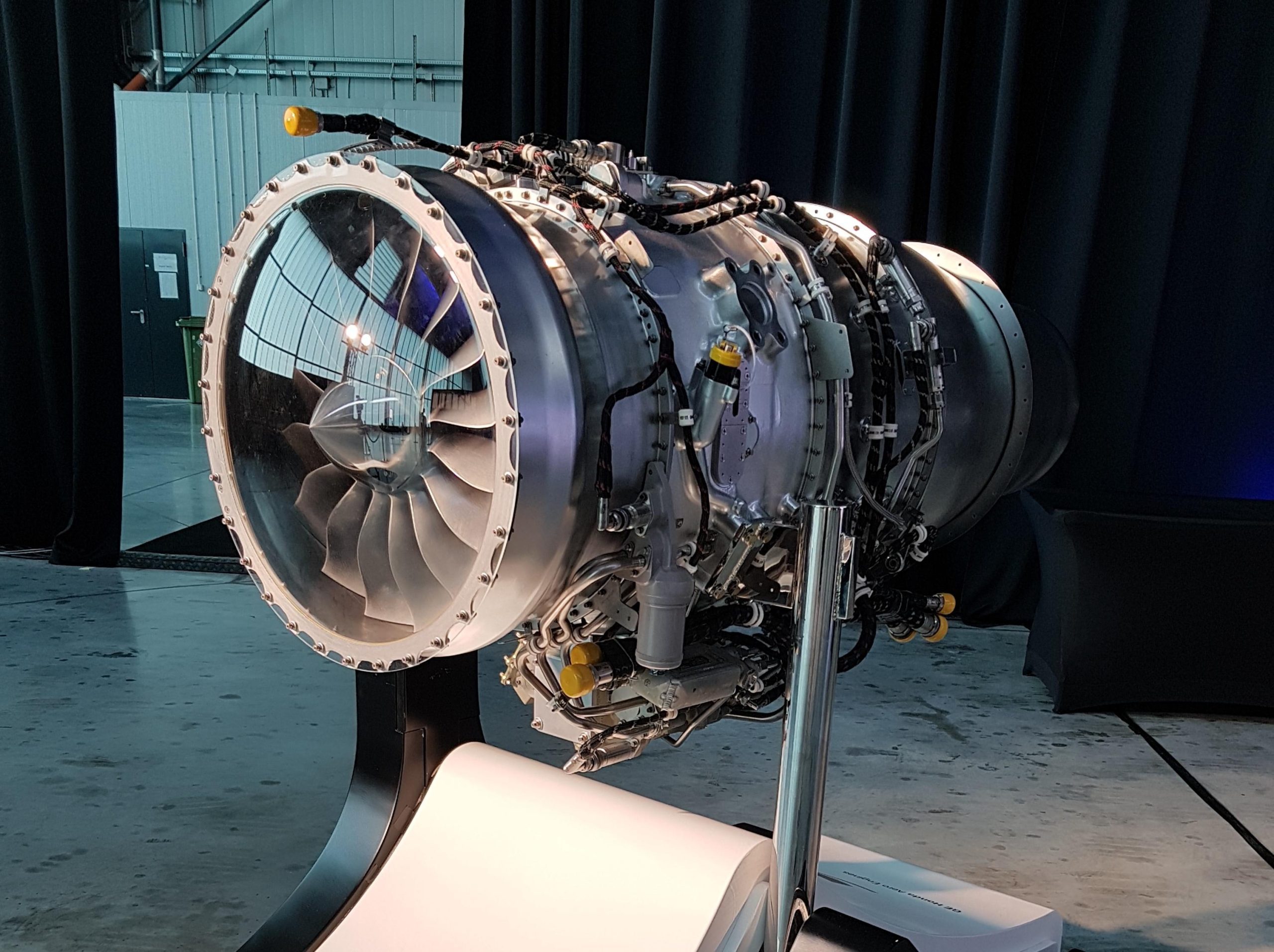
privatejetia private jet maintenance 12 scaled
Owning a private jet is not just about luxury and convenience. For many high-net-worth individuals, entrepreneurs, and businesses, it’s also an investment with significant tax implications. The tax treatment of private jet deals can be complex, and how these transactions are structured can have a profound impact on the financial outcome. By using the right legal structures and understanding creative tax tactics, private jet owners can significantly reduce their tax liabilities while optimizing the overall benefits of ownership.
In this comprehensive guide, we will discuss the various ways to structure private jet deals legally to achieve maximum tax efficiency. From selecting the appropriate ownership structure to utilizing tax incentives like depreciation, sales tax exemptions, and operating expense deductions, this article provides actionable insights into creative legal tactics that will help owners make the most of their private aviation investment.
The Basics of Structuring Private Jet Deals
Before diving into the creative strategies, it’s important to understand the fundamental principles of structuring private jet deals in a way that maximizes tax efficiency. The tax code offers various benefits for those who purchase, lease, or operate a private jet, but these benefits are often dependent on how the deal is structured. Legal professionals play a critical role in determining the best approach, ensuring compliance with tax laws, and creating the optimal structure for the buyer’s goals.
The most common legal structures used for private jet deals include:
Individual Ownership
Limited Liability Companies (LLCs)
S Corporations
C Corporations
Trusts and Family Offices
Each of these structures offers its own set of advantages and tax implications, and selecting the right one is crucial to maximizing the financial efficiency of the jet deal.
- LLC Ownership: Flexibility and Liability Protection
One of the most common structures for private jet ownership is through a Limited Liability Company (LLC). An LLC offers several key benefits for jet owners, making it a popular choice for those looking to minimize taxes while ensuring liability protection.
Tax Benefits of LLC Ownership
When it comes to tax efficiency, an LLC allows jet owners to take advantage of several benefits:
Depreciation Deductions: The LLC structure allows the jet to be depreciated over time, which can provide significant tax savings. Through Modified Accelerated Cost Recovery System (MACRS), the jet can be depreciated over a 5-year period, with bonus depreciation allowing for 100% of the jet’s value to be depreciated in the first year if the jet is used for business purposes.
Pass-Through Taxation: LLCs are generally subject to pass-through taxation, meaning the business’s income is passed through to the owner and taxed at individual rates. This avoids the double taxation that can occur with C Corporations.
Flexible Allocation of Deductions: LLCs provide owners with the flexibility to allocate deductions based on the business usage of the jet. For example, if the aircraft is used 80% for business purposes, 80% of the associated expenses (including fuel, maintenance, and crew costs) can be deducted.
Asset Protection and Liability Benefits
In addition to the tax benefits, an LLC offers protection for the jet owner’s personal assets in the event of a lawsuit or other liabilities associated with the jet. By placing the jet into an LLC, owners can ensure that any legal or financial issues related to the jet do not impact their personal wealth.
- S Corporation Ownership: Tax Savings for Small Businesses
For small business owners, an S Corporation can be an effective structure for owning a private jet. While the S Corporation structure is similar to an LLC in many respects, it offers a few specific tax advantages for owners who meet the eligibility requirements.
Key Benefits of S Corporation Ownership
Salary vs. Dividend Strategy: One of the key benefits of an S Corporation is the ability to split income between salary and dividends. This allows the owner to take a reasonable salary while distributing additional income as dividends, which are taxed at a lower rate than ordinary income. This can help owners reduce their overall self-employment taxes.
Business Deductions: Like an LLC, an S Corporation allows owners to deduct operating expenses related to the jet when it is used for business purposes. These deductions can include fuel, insurance, crew salaries, and maintenance, among others.
Depreciation Benefits: Owners can also take advantage of depreciation deductions through an S Corporation, allowing them to offset taxable income. The S Corporation can depreciate the value of the jet using MACRS and take advantage of bonus depreciation.
Drawbacks of S Corporations
While S Corporations offer tax savings, they are subject to more stringent rules than LLCs. For example, there are restrictions on the number of shareholders (generally limited to 100), and all shareholders must be U.S. citizens or residents. Additionally, S Corporations must file annual returns, which can be more administratively burdensome than other structures.
- C Corporation Ownership: Maximizing Deductions and Benefits
C Corporations are another popular option for structuring private jet deals, particularly for larger businesses or high-net-worth individuals with significant business expenses. While C Corporations are subject to double taxation (corporate income is taxed at the corporate level, and dividends are taxed again at the individual level), there are still several tax advantages that make this structure appealing for certain buyers.
Benefits of C Corporation Ownership
Business Expense Deductions: C Corporations can deduct all aircraft-related expenses as business expenses, including depreciation, maintenance, fuel, and employee travel costs. This can result in significant tax savings for corporations that use their jet frequently for business.
Depreciation and Bonus Depreciation: Just like LLCs and S Corporations, C Corporations can take advantage of bonus depreciation under the Tax Cuts and Jobs Act (TCJA). The ability to deduct up to 100% of the jet’s value in the first year can provide substantial immediate tax relief.
Flexible Ownership Options: Unlike LLCs and S Corporations, C Corporations are not restricted in terms of the number of shareholders, and they can issue multiple classes of stock, which offers more flexibility for business owners seeking to raise capital or structure ownership interests.
Potential Drawbacks of C Corporation Ownership
The main drawback of C Corporations is double taxation, which can be a significant consideration for jet owners who are primarily using the aircraft for personal purposes. Additionally, C Corporations are subject to more complex filing and compliance requirements compared to LLCs and S Corporations.
- Trusts and Family Offices: Legacy and Tax Efficiency
For individuals looking to preserve wealth and pass it on to future generations, using a trust or family office can be an effective way to structure private jet ownership. Trusts can offer significant estate tax benefits and can also be used to protect assets from creditors.
Benefits of Using Trusts for Private Jet Ownership
Estate Planning Benefits: Transferring ownership of a private jet to a trust allows for efficient estate planning. The jet can be passed on to heirs without incurring estate taxes, provided it’s structured correctly.
Tax Benefits: A trust can also offer tax advantages, especially if it’s set up to make charitable contributions or for the benefit of family members involved in a business.
Asset Protection: Similar to LLCs, trusts can protect assets from creditors, lawsuits, or other financial risks, ensuring that the jet is shielded from external threats.
Drawbacks and Considerations
Setting up a trust or family office for private jet ownership involves complex legal and financial planning, and it may not be the most cost-effective solution for every owner. However, for those with significant wealth and long-term estate planning goals, it can provide valuable tax benefits.
- Combining Structures for Optimal Tax Efficiency
In some cases, a hybrid approach may be the most effective way to structure a private jet deal. For example, a jet owner may choose to form an LLC or S Corporation to hold the aircraft and lease it to a C Corporation for use in business activities. This approach allows the owner to combine the advantages of both entities: the tax flexibility of an LLC or S Corporation with the business deductions available to a C Corporation.
Legal counsel can help design this hybrid structure to ensure that the jet’s use is maximized for tax benefits while maintaining compliance with tax laws.
Conclusion: Creative Legal Tactics for Maximum Tax Efficiency
The way you structure your private jet deal can have a significant impact on your tax efficiency and overall financial success. By selecting the right ownership structure and using creative legal tactics, you can optimize your tax deductions, reduce liabilities, and maximize the benefits of owning a private jet.
Whether you choose an LLC, S Corporation, C Corporation, or trust, each structure offers unique benefits and tax advantages. Consulting with experienced tax professionals and aviation attorneys is essential to ensure that your private jet deal is legally sound and aligned with your financial goals.
By taking a proactive approach to structuring your private jet ownership, you can ensure that your investment remains tax-efficient and provides long-term financial benefits. Creative legal strategies, when implemented effectively, can unlock substantial savings and allow you to fully capitalize on the opportunities that come with private jet ownership.