Luxury Travel Private Jet Privatejetia 3
The world of private aviation has undergone a massive transformation in recent years, with 2025 shaping up to be a pivotal year for jet technology innovations. As the luxury aviation market continues to grow, manufacturers are pushing the boundaries of what’s possible in jet performance, comfort, and sustainability. Today’s elite jets offer more than just a ride from one location to another; they represent the zenith of engineering, design, and luxury.
This article provides a detailed analysis of the top technological advancements in the private jet industry for 2025. From fuel-efficient engines to luxurious interiors and sustainable solutions, we will explore the innovations driving the evolution of elite aviation technology.
The Rise of Smart Jets: Technology Meets Luxury
The integration of smart technology into private jets has revolutionized the flying experience. These jets are now equipped with state-of-the-art systems that allow for greater control, efficiency, and comfort. Artificial intelligence (AI), automation, and smart systems enable seamless flight experiences, from pre-flight planning to in-flight operations. Let’s explore how these innovations are reshaping the way we think about luxury travel.
- AI-Powered Flight Operations
Artificial intelligence is at the forefront of transforming jet operations. In 2025, AI-driven systems will play a central role in optimizing flight routes, managing fuel consumption, and enhancing safety protocols. These systems continuously collect and analyze data from various sources, such as weather patterns, air traffic control updates, and aircraft performance metrics, to make real-time adjustments that improve flight efficiency.
Optimized Flight Paths: AI can calculate the most fuel-efficient flight path by analyzing current weather conditions, airspace congestion, and jet performance data.
Safety Enhancements: AI can also monitor the aircraft’s performance during flight, alerting pilots to any issues before they become critical, ensuring a smoother and safer journey.
Automated Flight Assistance: Some luxury jets are now offering semi-autonomous flight options, where AI takes over non-critical aspects of flying, allowing pilots to focus on more complex tasks.
- Smart Cabin Features for Comfort and Convenience
Today’s luxury jets are designed with the passenger experience at the center, and smart technology plays a key role in enhancing that experience. From interactive lighting systems to advanced temperature control, jets are becoming more intuitive and responsive to the needs of the passengers.
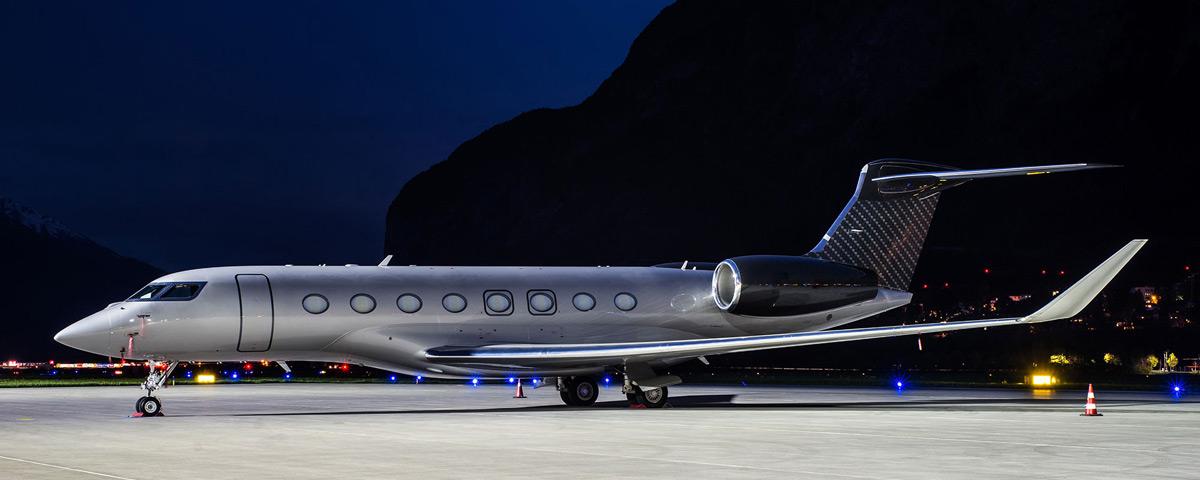
Personalized Lighting and Ambiance: Many new jets, including models like the Gulfstream G700, feature lighting systems that automatically adjust to the time of day or the preferences of the passengers. Whether you’re on a daytime flight or preparing to sleep, these jets can create the perfect atmosphere.
Smart Seats: Modern luxury jets come equipped with ergonomically designed seats that adjust to your preferred position and can even monitor passenger health. Some seats are equipped with massage functions, heating, and cooling systems, allowing you to travel in absolute comfort.
In-Flight Connectivity: Internet connectivity, powered by satellite systems, ensures that you can stay connected to the outside world while traveling at 40,000 feet. Passengers can access high-speed internet, stream content, or even join video calls with ultra-low latency.
- Advanced Entertainment Systems
One of the main selling points of luxury jets is the onboard entertainment experience. In 2025, we’re seeing the integration of virtual reality (VR) and augmented reality (AR) systems that elevate in-flight entertainment to new heights.
Immersive Experiences: VR headsets and AR screens create an immersive environment for passengers. Whether you’re watching a movie, playing video games, or taking a virtual tour of the world, these innovations make long flights far more enjoyable.
On-Demand Media: Passengers now have access to a wide range of media content, including high-definition movies, television shows, and live sports events, all available at the touch of a button.
High-Performance Engines and Fuel Efficiency
Performance is a key criterion when selecting a luxury jet, and manufacturers are continuing to innovate in engine technology to make jets more fuel-efficient, powerful, and environmentally friendly. In 2025, advancements in jet propulsion technology are pushing the envelope in terms of both speed and sustainability.
- Next-Generation Jet Engines
Modern private jets are incorporating cutting-edge jet engines that not only provide greater thrust but are also designed to reduce fuel consumption and carbon emissions. One example is Pratt & Whitney’s GTF engine technology, which provides up to 20% more fuel efficiency compared to traditional engines. These engines utilize geared turbofan technology to reduce noise and fuel usage, which is particularly beneficial for both operational costs and environmental impact.
Fuel-Efficient Turbofan Engines: Leading manufacturers such as Gulfstream and Bombardier are using next-generation turbofan engines to increase fuel efficiency without compromising performance.
Hybrid and Electric Propulsion: Although not yet common in the mainstream luxury jet market, hybrid and electric propulsion systems are starting to make their way into the aviation industry. Manufacturers like Eviation Aircraft are developing fully electric jets, which could revolutionize the private aviation industry by offering a more sustainable alternative to traditional fuel-powered aircraft.
- Sustainable Aviation Fuel (SAF)
As part of the drive toward more eco-friendly aviation, Sustainable Aviation Fuel (SAF) is gaining traction in 2025. SAF is a more environmentally friendly alternative to traditional jet fuel, made from renewable resources such as plant-based materials and waste oils.
Reduced Carbon Footprint: SAF has been shown to reduce carbon emissions by up to 80% over its lifecycle, making it a key element in the pursuit of carbon-neutral aviation.
Wider Adoption: Leading manufacturers such as Gulfstream, Bombardier, and Dassault are already testing and incorporating SAF into their jets, ensuring that their aircraft remain at the cutting edge of sustainability.
Cutting-Edge Cabin Designs: Luxury Meets Innovation
The interior design of luxury jets has always been a hallmark of the industry, but in 2025, we are seeing even greater attention to detail and innovation. Manufacturers are taking a more personalized approach to cabin design, with an increasing focus on customization, comfort, and well-being.
- Customizable Cabin Configurations
One of the most exciting trends in 2025 is the ability for clients to fully customize their jet cabins. Modular designs allow passengers to choose configurations that suit their personal preferences, whether that’s a business lounge, a private bedroom, or a full-scale dining room. The flexibility in these designs ensures that each jet feels like a personalized space for its owner.
Bespoke Materials: Customers can choose from a wide range of materials, including rare woods, leathers, silks, and metals, to craft a cabin that reflects their unique style.
Private Suites: More jets are offering private suites that feature full-sized beds, en-suite bathrooms, and even shower facilities, ensuring passengers can rest comfortably during long flights.
- Advanced Air Purification and Wellness Features
As more people become aware of the impact of air quality on health and well-being, manufacturers are integrating advanced air filtration and wellness features into the design of their jets. These systems help ensure passengers have a comfortable and healthy journey, reducing the likelihood of fatigue and jet lag.
Air Purification: Advanced filtration systems that remove viruses, bacteria, and particulate matter from the cabin air, providing a cleaner and healthier environment.
Wellness Suites: Some jets are offering wellness suites, where passengers can enjoy treatments such as massage therapy, aromatherapy, and yoga sessions to relax and rejuvenate during flights.
The Future of Private Aviation: A Look Ahead
The private aviation industry is moving toward a more sustainable, efficient, and luxurious future. The innovations we’ve discussed here are just the beginning, with future advancements likely to take the industry to even greater heights. As electric aircraft become more viable, we may see a shift toward fully green aviation, with a reduction in emissions and fuel usage.
- The Role of AI and Automation in Future Jets
Looking ahead, automation will play an even greater role in making flights safer, more efficient, and easier to manage. AI-powered flight management systems will handle many aspects of the flight, from navigation to engine performance, allowing pilots to focus on strategic decisions. Additionally, the advent of autonomous aircraft could redefine the way we think about air travel, enabling even more efficient, cost-effective, and safe journeys.
- The Emergence of the Hyperloop and Space Tourism
While not directly related to traditional private jets, the rise of technologies like the hyperloop and the growing interest in space tourism could significantly alter the landscape of elite travel. Hyperloop systems could reduce travel times between cities, and private space travel might soon become a reality, further elevating the luxury travel experience to unimaginable heights.


