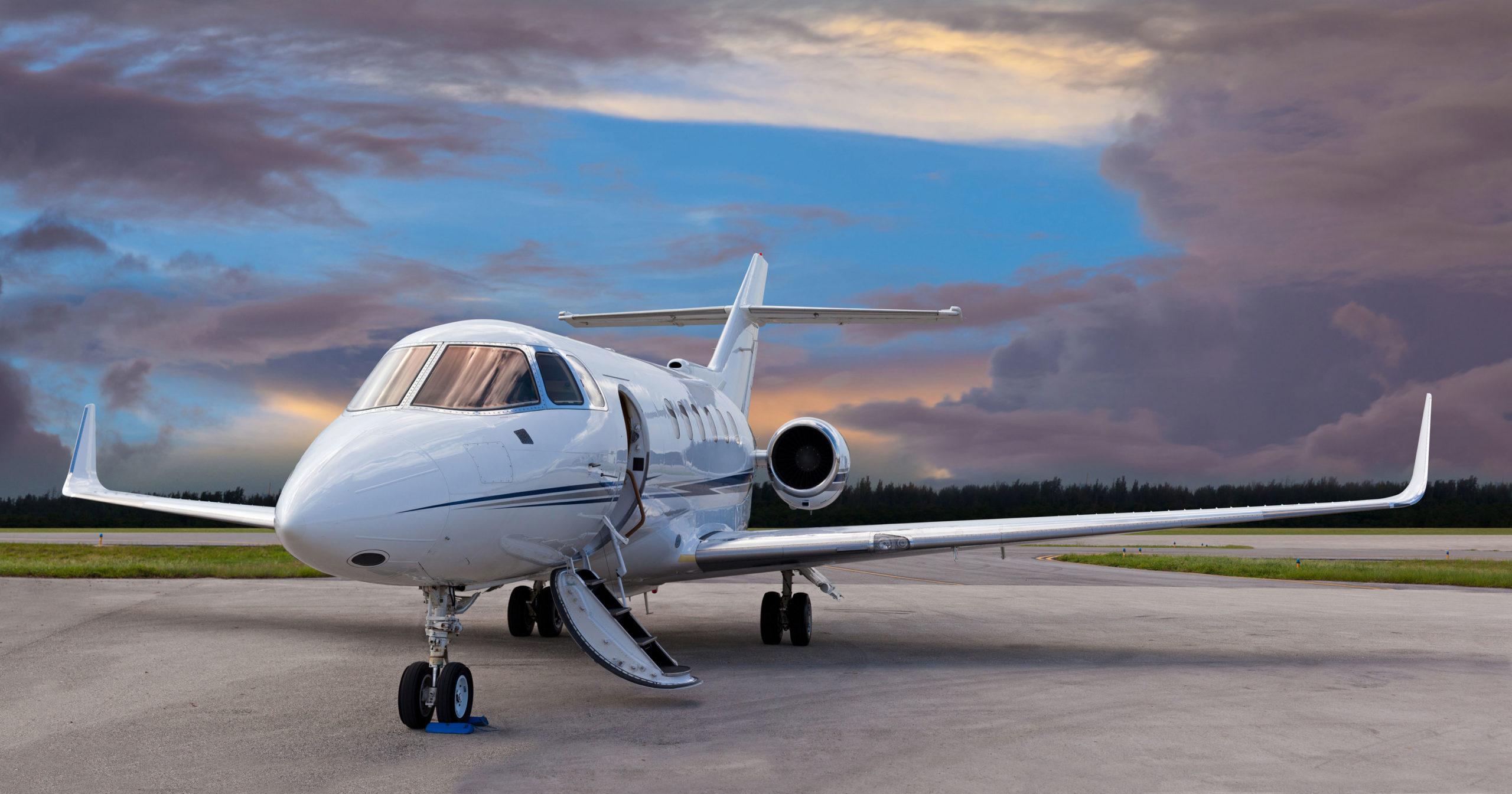
Luxury Travel Private Jet Privatejetia 5
In the ever-evolving world of luxury aviation, jet technology is consistently pushing the boundaries of what’s possible. Over the last decade, we’ve witnessed monumental advancements in engineering, materials, and performance, all designed to create a seamless, luxurious flying experience. From next-gen propulsion systems to AI-powered cabins, today’s elite jets are nothing short of revolutionary. In this ultimate edition, we’ll explore the latest innovations driving the luxury jet industry and benchmark the technology that is shaping the future of air trave
The Future of Sustainable Jet Engines: Propulsion
One of the most significant developments in jet technology is the push towards sustainability. As the aviation industry faces increasing pressure to reduce its carbon footprint, propulsion systems have undergone dramatic transformation
Electric and Hybrid-Electric Propulsion
The idea of electric jets has long been a dream, but we’re now seeing real strides towards this technology becoming a reality. Companies like Joby Aviation and Lilium are working on fully electric urban air mobility aircraft that will radically change the landscape of air travel. Though these jets are still in their early stages, they promise a quieter, more sustainable form of flying with zero emissions
Hybrid-Electric Systems
While fully electric jets are still years away from mainstream adoption, hybrid-electric systems have already begun to show promise. By combining traditional jet engines with electric propulsion, hybrid-electric jets offer the best of both worlds: high efficiency and low emissions. Companies like Airbus and Rolls-Royce are at the forefront of hybrid-electric aviation, with the E-Fan X project marking a major milestone in its development
Hydrogen-Powered Engines
Hydrogen is another potential game-changer in jet propulsion. Hydrogen-powered engines have the potential to offer zero-emission flight while providing the necessary power to transport passengers over long distances. Airbus has already announced its goal to develop the world’s first commercial hydrogen-powered jet by 2035, with the aim of drastically reducing aviation’s reliance on fossil fuels
Aerodynamics: Enhancing Efficiency and Comfort
Aerodynamics plays a crucial role in the performance and efficiency of luxury jets. Modern designs focus on reducing drag and improving fuel efficiency, which directly contributes to lower operating costs and a greener footprint. But it’s not just about the performance , aerodynamic design also impacts the comfort and experience of passengers
Winglets and Advanced Fuselage Design
One of the most noticeable changes in modern jets is the winglet technology, which helps reduce drag and improve fuel efficiency. Winglets are small, upward-angled extensions at the end of the wings that reduce vortex drag. They have become standard on nearly all new commercial jets, and their benefits are being increasingly recognized in luxury jets as well
Another significant development in aerodynamic design is the advanced fuselage construction, using lightweight composite materials like carbon fiber and titanium alloys. These materials not only reduce weight, but they also improve strength and durability, allowing luxury jets to operate at higher altitudes and speeds while offering a smoother, quieter flight
Cabin Innovations: Redefining Luxury in the Skies
The cabin is where most of the innovation in luxury jets is happening. Today’s aircraft are equipped with state-of-the-art technology that caters to the every need of the ultra-wealthy.
AI-Powered Personalization
AI is revolutionizing how passengers interact with the cabin. Smart systems are now able to learn a passenger’s preferences and adjust things like temperature, lighting, and even entertainment automatically. Companies like Boeing and Dassault have already started incorporating AI-powered systems that offer passengers a highly customized and responsive flying experience
Smart Windows and Privacy Features
Another key trend in luxury jets is smart windows. These windows adjust their opacity at the touch of a button, providing passengers with optimal lighting while offering privacy when needed. Additionally, electrochromic windows are now being used to regulate cabin temperature, helping to reduce the need for air conditioning and further contributing to energy efficiency
For ultimate privacy, manufacturers like Gulfstream and Bombardier offer full-height, soundproof walls and private suites, allowing passengers to enjoy the utmost privacy and comfort. In the future, it’s expected that holographic privacy screens and even virtual windows , which display live video feeds from outside the aircraft , will become more common
Luxury Seating and Bedding
No discussion of luxury jets would be complete without a mention of seating and sleeping arrangementsToday’s VIP aircraft feature ultra-comfortable, ergonomic seats that can transform into full-sized beds with the press of a button. These seats are designed with the highest-quality materials, from exotic leathers to cashmere blankets
The next frontier in luxury seating involves adjustable pressure zones and zero-gravity seating, designed to reduce fatigue and muscle strain during long-haul flights. Passengers will be able to experience a more restful, comfortable journey while also benefiting from improved blood circulation and comfort
In-Flight Entertainment: Beyond Just Movies and Music
As in-flight entertainment becomes more integrated with the digital world, luxury jets are leading the charge in providing a fully immersive, interactive experience. Some of the most exciting innovations in this area include:
Augmented Reality (AR) Systems
By using AR technology passengers will be able to experience virtual landscapes interact with D maps and even enjoy virtual tours of destinations they’re heading to. These systems could be used for everything from flight information to interactive entertainment during the flight offering passengers a truly cutting-edge experience
High-Speed Internet and Streaming
Today’s luxury jets are equipped with satellite-based high-speed internet that allows passengers to stream content, hold video calls, and surf the web as if they were on the ground. This technology is essential for business travelers, as it ensures they can remain productive throughout their journey.
Advanced Materials and Sustainability
The shift toward sustainability is not limited to propulsion; materials used in constructing jets are also evolving. Lightweight composite materials and advanced coatings help reduce fuel consumption, while sustainable aviation fuel (SAF) is being developed to reduce the environmental impact of air travel.
Recyclable Materials
The trend toward using recyclable materials in the interior construction of luxury jets is gaining momentum. Manufacturers are using sustainable resources like bamboo, recycled aluminum, and eco-friendly leathers to create a luxurious, yet environmentally-conscious cabin experience.
Solar Energy and Energy Efficiency
Some of the next-generation jets are incorporating solar panels and regenerative braking systems to reduce energy consumption. While not yet mainstream, these technologies are part of a broader effort to reduce the carbon footprint of air travel.
The Future of Luxury Jet Travel: Conclusion
The next-generation of luxury jets promises to revolutionize the way we think about air travel. From sustainable propulsion systems to AI-powered cabins and cutting-edge in-flight entertainment, the future of aviation is more innovative and luxurious than ever. These advancements not only cater to the needs of ultra-wealthy passengers but also pave the way for more sustainable and efficient air travel.
As these technologies continue to evolve, we can expect luxury jets to become faster, more comfortable, and environmentally responsible. For those who are lucky enough to experience these marvels of aviation, the sky truly will be the limit.


