


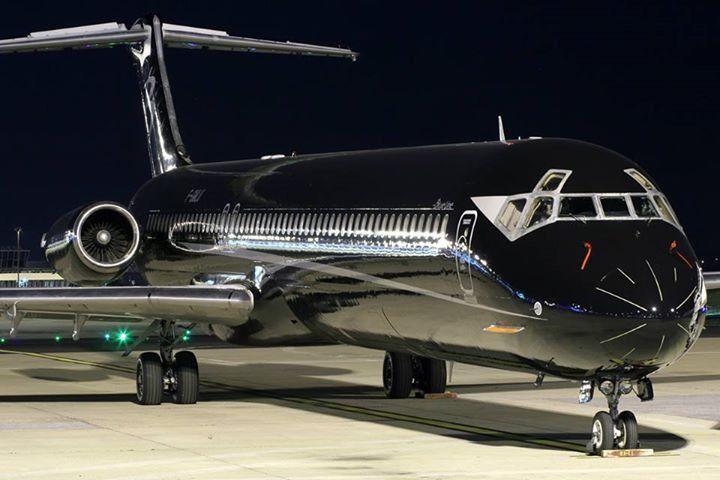
In today’s fast-paced and interconnected world, global diplomacy often requires timely responses and swift actions. Whether it’s mediating international conflicts, negotiating treaties, or addressing unforeseen geopolitical crises, diplomats and government officials must move quickly to manage sensitive issues. Private jets have become an indispensable tool in ensuring the rapid mobility required for urgent diplomatic missions. Offering flexibility, security, and speed, private aviation allows key figures to respond to international situations with minimal delay.
In this article, we will delve into how private jets are used for urgent diplomatic missions, featuring case studies that highlight their critical role in international affairs. These real-world examples demonstrate how private jets are not just luxury transportation but essential assets for maintaining global peace, fostering diplomatic relations, and addressing critical global challenges.
1. The Role of Private Jets in Diplomatic Missions
Diplomatic missions often require the swift transport of high-ranking officials, such as heads of state, ambassadors, and ministers of foreign affairs, to negotiate agreements, attend emergency summits, or broker peace talks. In situations where time is of the essence, private jets offer a level of flexibility and speed that commercial flights cannot match.
Private jets are not restricted by commercial airline schedules, security checkpoints, or limited flight routes, allowing them to be dispatched quickly to any destination. This ability to mobilize swiftly is critical when dealing with situations that require immediate attention. Whether it’s flying to a neighboring country to handle an escalating conflict or traveling halfway across the world to attend an emergency diplomatic summit, private jets provide the access and efficiency needed for global diplomacy.
Moreover, private jets provide a high level of comfort and security, enabling diplomats to work and hold discussions during their flights. This ensures that important conversations and negotiations can begin well before reaching the destination. In cases where security is a major concern, private jets can also be equipped with advanced communication systems, secure environments, and even protection details, ensuring the safety and confidentiality of sensitive matters.
2. Case Study: The Cuban Missile Crisis – The Importance of Speed and Flexibility
One of the most well-known and pivotal moments in 20th-century diplomacy was the Cuban Missile Crisis of 1962. During this tense period, the world stood on the brink of nuclear war as the Soviet Union installed nuclear missiles in Cuba, just 90 miles off the coast of the United States. The crisis required rapid diplomatic communication and decision-making between the leaders of the United States, the Soviet Union, and Cuba.
At the heart of the negotiations was the need for swift action and secure communication. President John F. Kennedy and Soviet Premier Nikita Khrushchev exchanged messages and worked toward a resolution, but time was critical. The ability to move quickly was paramount. While private jets were not yet as widely used as they are today, the rapid movement of officials between capitals via other means paved the way for the kind of flexibility seen with private aviation in more recent diplomatic crises.
In the modern era, similar situations would involve private jets transporting diplomats and government leaders to urgent meetings, summit negotiations, and conflict resolution talks at a moment’s notice. The rapid movement of personnel to key locations and the ability to establish secure communication networks while en route would be invaluable assets in preventing further escalation during a crisis of this magnitude.
3. Case Study: The Iran Nuclear Deal – Negotiations and Secret Diplomacy
One of the most significant diplomatic achievements of the 21st century was the negotiation of the Iran nuclear deal, formally known as the Joint Comprehensive Plan of Action (JCPOA), in 2015. The agreement, aimed at curbing Iran’s nuclear ambitions in exchange for the lifting of economic sanctions, was the result of complex, high-stakes negotiations involving multiple countries, including the United States, the United Kingdom, France, Germany, Russia, China, and Iran.
Throughout the negotiation process, private jets were essential for facilitating the swift travel of key diplomats between capitals. For example, U.S. Secretary of State John Kerry frequently used private aviation to shuttle between Vienna, where the talks took place, and Washington, D.C., during crucial stages of the discussions. The flexibility of private jets allowed diplomats to hold emergency meetings, adjust schedules on the fly, and ensure that delicate negotiations were not delayed by commercial flight limitations.
Moreover, the secrecy and security required for such sensitive diplomatic missions made private jets the ideal mode of transport. In addition to offering privacy for important discussions, these jets allowed for secure communications during flights, ensuring that no sensitive information was leaked during the journey. In high-stakes negotiations, where the stakes are often geopolitical, the use of private jets ensures that officials can keep the momentum of talks going without unnecessary delays.
4. Case Study: Peace Talks in the Middle East – Facilitating Regional Stability
The Middle East has long been a region characterized by political instability, with multiple conflicts requiring urgent diplomatic intervention. One of the most significant diplomatic efforts in the region has been the peace process between Israel and Palestine, which has seen numerous attempts at negotiation over the decades. During these peace talks, private jets have played a critical role in facilitating the movement of key negotiators, world leaders, and mediators between the Middle East and Western countries.
For example, during the Oslo Accords in the 1990s, private jets were used to transport key figures such as Israeli Prime Minister Yitzhak Rabin, Palestinian Liberation Organization (PLO) Chairman Yasser Arafat, and Norwegian diplomats who mediated the talks. These private jets were used to shuttle the negotiators to various locations to keep the discussions ongoing and to ensure that any agreements made could be acted upon quickly.
In addition to facilitating travel, private jets also provide a secure environment for leaders and negotiators to discuss sensitive issues without the risk of eavesdropping or leaks. Given the ongoing tensions in the region, privacy and security were crucial for maintaining the integrity of the peace process. Today, private jets continue to be an essential tool in facilitating high-level peace negotiations in the Middle East, helping to mediate and resolve conflicts that affect global stability.
5. Case Study: Emergency Diplomatic Response During Natural Disasters
While many diplomatic missions are related to geopolitical conflicts, private jets also play a critical role in responding to natural disasters, particularly when international cooperation and rapid coordination are required. In the aftermath of natural disasters such as earthquakes, tsunamis, or hurricanes, diplomats often need to coordinate with international relief organizations, governments, and local authorities to provide assistance, deliver aid, and ensure the safety of affected populations.
One example is the 2010 Haiti earthquake, which devastated the country and resulted in significant loss of life. In the immediate aftermath, diplomats and international relief workers were flown into the region to assess the situation, establish relief operations, and coordinate efforts with local authorities. Private jets were essential in facilitating the rapid movement of key personnel, humanitarian aid, and equipment to areas that were inaccessible by commercial flights.
During such missions, private jets can land at smaller airports, providing greater flexibility in terms of where and when they can deliver supplies or personnel. In addition, private aviation can help evacuate citizens or diplomats from disaster zones to safer locations if necessary, ensuring that diplomatic efforts to aid recovery are not hindered by transportation challenges.
6. Case Study: Diplomacy During the COVID-19 Pandemic – Keeping Communication Open
The COVID-19 pandemic, which began in 2019, highlighted the need for global coordination and communication in managing a public health crisis. Throughout the pandemic, private jets were used extensively to facilitate the travel of world leaders, medical experts, and diplomats working on international cooperation to address the crisis.
Private jets were critical in ensuring that diplomatic communication remained uninterrupted during the pandemic. With commercial flights grounded or severely limited, the flexibility and speed of private aviation ensured that key figures could continue working on vaccine distribution agreements, medical supply coordination, and international policy decisions without delay. In addition, private jets were used to transport doctors, researchers, and public health officials to countries in need of expertise or assistance.
The COVID-19 pandemic underscored the importance of maintaining diplomatic relations during a global emergency, and private jets played a vital role in ensuring that countries could continue to communicate and collaborate despite travel restrictions. As the world navigated through the pandemic, the importance of private aviation in maintaining global diplomacy became more apparent than ever.
7. Conclusion: The Future of Jets in Diplomatic Missions
Private jets have proven themselves to be indispensable tools for urgent diplomatic missions, providing a very uniqueed speed, flexibility, security, and privacy. The case studies highlighted in this article demonstrate how private aviation can be the difference between success and failure in high-stakes international negotiations, emergency response efforts, and peacekeeping initiatives.
Looking to the future, the role of private jets in diplomacy is likely to expand, with governments and international organizations increasingly relying on them for swift action in times of crisis. As the world continues to face complex geopolitical, humanitarian, and environmental challenges, private aviation will remain a key enabler of effective diplomacy, helping leaders navigate global crises with efficiency and precision.
In a world where every second counts, private jets are more than just a luxury, they are a strategic asset that plays a crucial role in maintaining peace, stability, and cooperation on the global stage.


