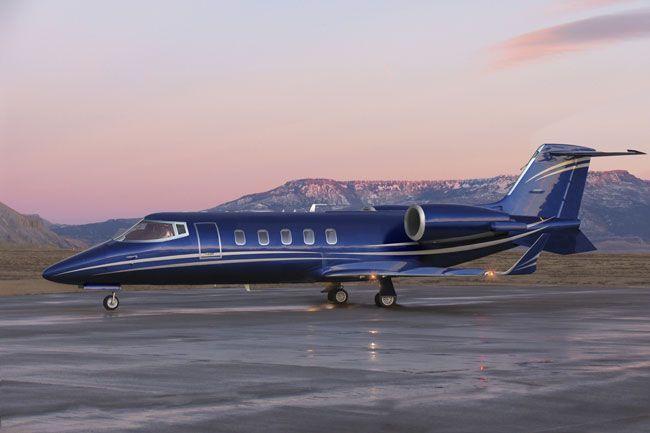
For the elite few who have the means and the desire, purchasing a private jet is the ultimate expression of luxury, freedom, and personal success. It is an investment that allows for unmatched comfort, privacy, and convenience when traveling the globe. However, the process of acquiring a luxury jet involves much more than simply picking a model and making a purchase. It requires a thorough understanding of the aviation industry, strategic planning, and, often, a bit of creativity to get the best deal while ensuring the jet fits seamlessly into your lifestyle and objectives.
This guide will walk you through creative steps for acquiring your dream jet, focusing on everything from choosing the right aircraft to financing options, negotiation tactics, and ensuring your investment is protected long-term. If you’ve ever wondered how the ultra-wealthy go about buying a jet, read on for a comprehensive insider’s approach to jet acquisition.
Why Luxury Jet Ownership?
The decision to purchase a private jet is not a simple one. For those who can afford it, the benefits far outweigh the cost. A private jet offers not just convenience but also a level of status and comfort that’s hard to match with any other mode of travel.
- Ultimate Convenience
Private jet ownership offers an unmatched level of convenience. You have the flexibility to schedule flights on your terms, minimizing delays, avoiding crowded terminals, and choosing routes that are more direct and efficient. Whether you’re traveling for business, leisure, or a combination of both, a private jet gives you the freedom to fly exactly when and where you need.
- Enhanced Privacy and Security
A private jet ensures complete privacy for both personal and professional matters. Whether you’re holding confidential meetings or simply looking for peace and quiet, a jet offers a secure, undisturbed environment. Privacy is a major concern for high-profile individuals, and a private jet offers a safe haven from the public eye.
- Expedited Travel
For frequent travelers, a private jet significantly reduces the time spent navigating airports, allowing you to land closer to your destination. This can be particularly useful for business executives who need to move quickly between cities or countries.
- A Sound Long-Term Investment
While private jets are expensive assets, they can offer long-term investment potential. Many owners opt for leasing or chartering their jets, generating income that helps offset the cost of ownership. Additionally, well-maintained jets from popular manufacturers can retain or even appreciate in value over time.
Understanding the Jet Market
Before diving into the purchasing process, it’s crucial to familiarize yourself with the types of jets available. The jet market is vast, offering various categories, each suited for different purposes. Depending on your requirements , whether for business, leisure, or international travel , you’ll need to find the model that best suits your needs.
- Light Jets
Light jets are the smallest and most cost-effective options for those who need to travel short distances. These jets typically accommodate 4-8 passengers and are designed for quick regional flights. They are ideal for business executives and individuals who need to reach nearby cities efficiently.
Popular models include:
- Cessna Citation Mustang
- Embraer Phenom 100
- Learjet 45
- Midsize Jets
Midsize jets are larger than light jets and offer more space and comfort. These jets usually carry 6-9 passengers and can travel longer distances, making them perfect for cross-country or international flights. Midsize jets offer a balance between price and performance, providing ample amenities while remaining relatively affordable.
Popular models include:
- Cessna Citation XLS
- Bombardier Learjet 60
- Hawker 800XP
- Super Midsize Jets
Super midsize jets are designed for longer trips and are equipped with a range of luxury amenities. They comfortably carry 8-12 passengers and have better fuel efficiency and range compared to smaller jets. These jets are ideal for travelers who require both luxury and efficiency.
Popular models include:
- Gulfstream G280
- Dassault Falcon 50EX
- Bombardier Challenger 350
- Large Jets
Large jets are perfect for long-haul flights and often come with advanced technology and luxury features, such as bedrooms, bathrooms, and entertainment systems. They are typically capable of carrying 10-16 passengers, making them suitable for both business and leisure travel.
Popular models include:
- Gulfstream G550
- Bombardier Global 6000
- Dassault Falcon 7X
- Ultra Long-Range Jets
For the ultimate in luxury, ultra-long-range jets are the preferred choice. These jets can fly non-stop for up to 14,000 kilometers, allowing for intercontinental travel without the need for refueling. They are equipped with the finest amenities, offering the highest level of comfort and technology available.
Popular models include:
- Gulfstream G650ER
- Bombardier Global 7500
- Boeing Business Jet (BBJ)
Creative Steps for Acquiring Your Dream Jet
Now that you understand the different types of jets available, it’s time to explore the creative steps you can take to acquire your dream jet. The process requires more than just making a purchase; it involves careful consideration, negotiation, and leveraging opportunities that are available to the most discerning buyers.
Step 1: Define Your Purpose
Before purchasing a private jet, determine the main purpose of your investment. Are you primarily flying for business? Do you need the jet for leisure travel with family and friends? Or perhaps you require a jet for both? Understanding your usage will help you select the right type of jet. For example, if you are frequently traveling internationally, an ultra-long-range jet may be ideal. However, if you only need to fly domestically, a light or midsize jet could be more economical.
Step 2: Consult with Aviation Experts
The jet acquisition process can be complex, which is why it’s essential to seek expert guidance. Engage with a private jet consultant, broker, or advisor who can help you navigate the market. These professionals have in-depth knowledge of the aviation industry, including the availability of jets, market trends, and pricing. They can also assist with negotiating the best deal and ensuring you get the right aircraft for your needs.
Step 3: Consider Pre-Owned Jets
While brand-new jets come with the latest technology and pristine conditions, pre-owned jets offer significant cost savings. You may be able to find a gently used jet with low flight hours and minimal wear. However, ensure that the jet has been well-maintained, and hire a third-party inspector to check for any potential issues before finalizing the purchase. Some older jets retain their value over time and offer luxury features at a fraction of the cost.
Step 4: Explore Financing Options
Purchasing a luxury jet is a significant financial investment, but you don’t necessarily have to pay for the entire jet upfront. Many buyers opt for financing options such as loans, leases, or fractional ownership programs. These options allow you to spread the cost over time while still enjoying the benefits of private jet ownership.
A fractional ownership program, for example, lets you own a portion of a jet, which can help lower the upfront costs and reduce the operational expenses. This can be an appealing option for those who don’t require the jet full-time.
Step 5: Negotiate for Additional Benefits
When negotiating the price of a jet, consider requesting additional perks. For example, you may be able to secure a maintenance package that covers the first few years of operation, or you could ask the seller to throw in training for your crew or additional upgrades to the jet. Don’t be afraid to ask for these extras, as many jet sellers are willing to negotiate on the terms of the deal to close the sale.
Step 6: Plan for Ongoing Costs
Owning a jet involves ongoing expenses beyond the initial purchase price. These costs include fuel, maintenance, insurance, and crew salaries, as well as hangar space. Be sure to budget for these expenses and plan accordingly. You might also want to consider working with an aircraft management company to handle all aspects of operation, ensuring your jet is always in top condition.
Step 7: Insure Your Jet
Ensure that your jet is properly insured before taking flight. Jet insurance can be costly, but it’s an essential part of the ownership process. There are various types of coverage available, from hull insurance to liability insurance, and each one provides a different level of protection. Consult with an aviation insurance broker to find the right policy for your needs.
Step 8: Think About Resale Value
While you may plan to keep your jet for many years, it’s always a good idea to think about its resale potential. Some jets, especially those from well-known manufacturers, retain their value better than others. Be sure to research the depreciation rates of the jet you’re considering and keep track of market trends that may impact resale value.
Final Thoughts on Luxury Jet Acquisition
Purchasing a luxury jet is a significant financial commitment, but for those who can afford it, it offers an unparalleled lifestyle. By following the creative steps outlined in this guide, you can make a well-informed decision that aligns with your needs, goals, and financial situation. Whether you’re flying for business, leisure, or both, owning a private jet can elevate your travel experience to new heights.
With careful planning, expert guidance, and a strategic approach, you can acquire your dream jet while ensuring that it remains a valuable asset for years to come.