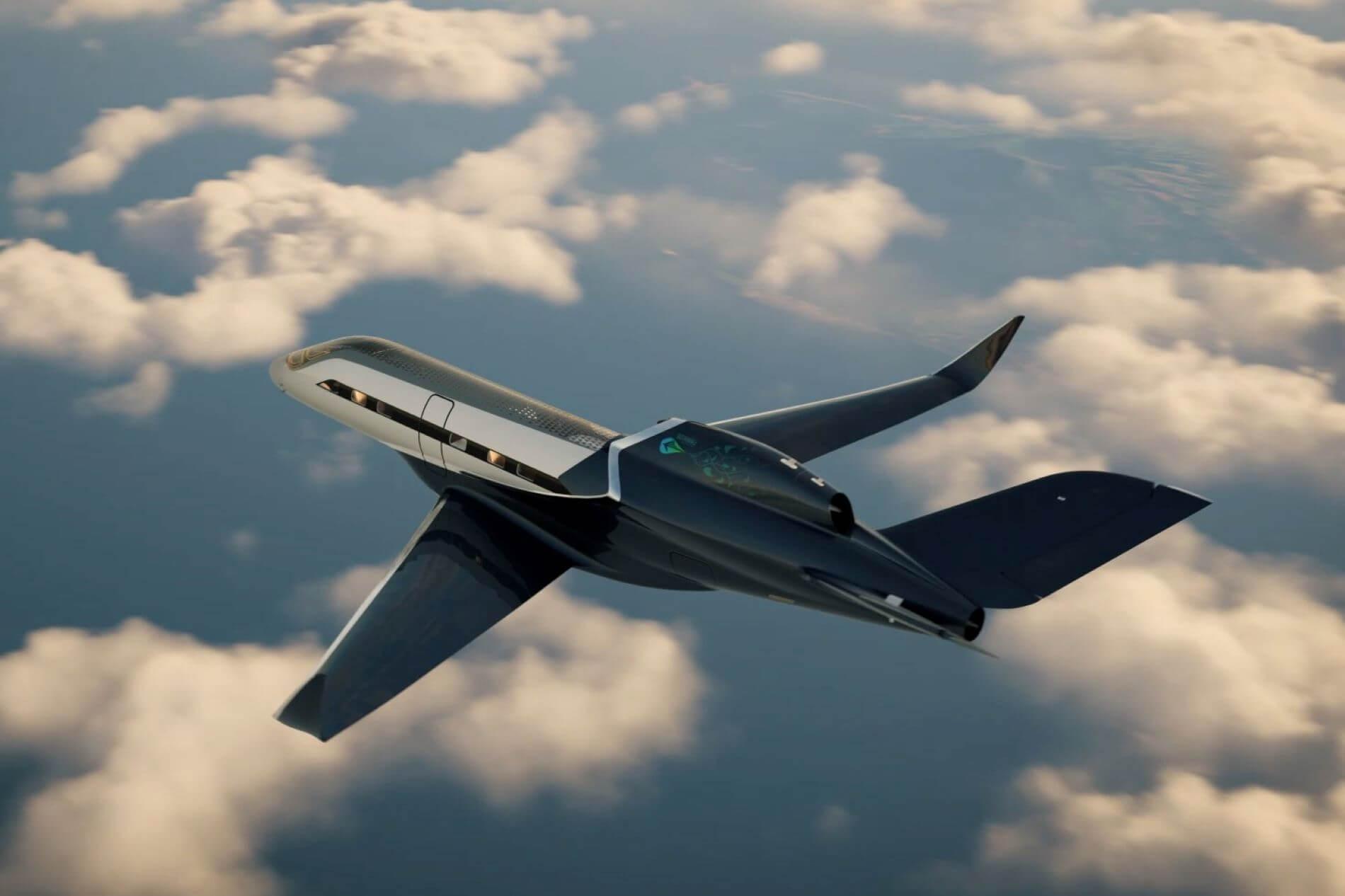
Investing in a private jet represents a significant financial commitment, yet it also offers unparalleled benefits in terms of convenience, comfort, and flexibility. For those considering acquiring a private jet, it’s crucial to approach the process with careful planning and creative strategies to ensure the investment pays off in the long run. From understanding the true costs to selecting the right aircraft and financing options, this guide will walk you through the essential steps for maximizing your private jet investment.
This creative guide covers everything from the initial planning stages to the final acquisition, highlighting how you can maximize your return on investment while securing the best deals and ensuring a smooth purchase process.
- Understanding the True Costs: A Holistic View of Private Jet Ownership
While the upfront cost of purchasing a private jet is significant, it’s important to consider the long-term costs of ownership. The total investment extends beyond the initial purchase price and includes numerous ongoing expenses. To make the most informed decision, break down the costs into manageable categories.
Initial Purchase Costs
The cost of purchasing a private jet depends on several factors, such as the model, age, and condition of the aircraft. Private jets can range from a few million dollars for a pre-owned smaller jet to over $60 million for a brand-new, large, luxurious model. Be sure to consider:
Aircraft Type: Light jets, mid-size jets, and heavy jets all have different price points. Each type serves a unique purpose and comes with different operating and maintenance costs.
Customizations: A private jet’s interior can be extensively customized to your preferences. While this enhances comfort and luxury, it can also increase the initial cost.
Ongoing Operating and Maintenance Costs
Maintaining a private jet can be costly, but regular upkeep is essential for keeping the aircraft in top condition and ensuring safety. These ongoing costs typically include:
Fuel: One of the largest recurring expenses for jet owners. The type of jet you own and how frequently you fly will directly impact fuel costs.
Maintenance: Scheduled and unscheduled maintenance is required for private jets. Depending on the jet’s age and usage, this can range from several hundred thousand to a few million dollars per year.
Insurance: The cost of insuring a private jet can vary depending on factors like aircraft value, model, and how often it is used. Expect to pay between $50,000 to $500,000 annually.
Crew and Staffing
If you’re not a licensed pilot, you’ll need to hire a qualified flight crew, including pilots and potentially flight attendants. Salaries for a professional flight crew can range from $200,000 to $500,000 per year depending on the size of your jet and the number of crew members.
- Choosing the Right Aircraft: Aligning Your Needs with the Perfect Jet
One of the most critical steps in maximizing your investment is selecting the right aircraft for your needs. Private jets come in a variety of sizes, ranges, and capabilities, and each model serves a different purpose. Understanding your travel needs and aligning them with the right jet model can ensure you get the best value for your money.
Factors to Consider When Choosing a Jet
Flight Range: Consider the distances you plan to travel regularly. A long-range jet is ideal for international travel, while a smaller, shorter-range jet might be suitable for domestic flights.
Passenger Capacity: How many passengers do you plan to accommodate on a regular basis? Select a jet that comfortably fits your typical passenger count while also leaving room for occasional guests.
Cabin Comfort and Amenities: The interior of the jet is where you’ll spend most of your time. Look for a design and layout that aligns with your comfort preferences. From luxurious seating to state-of-the-art entertainment systems, the jet’s cabin should offer the amenities you desire.
New vs. Pre-Owned
When choosing between new and pre-owned jets, it’s essential to balance cost with the condition of the aircraft. A new jet offers the latest technology, warranties, and a higher resale value but comes with a hefty price tag. Pre-owned jets are more affordable but require careful inspection of the maintenance history and overall condition.
- Financing Your Jet Purchase: Creative Approaches to Making the Purchase
Acquiring a private jet often requires financing, as the cost of ownership can be prohibitively high for most individuals to pay outright. Understanding your financing options and choosing the most suitable one can help you maximize the long-term value of your investment.
Creative Financing Solutions
Several options can help you secure the necessary funds to purchase your jet:
Bank Financing: Traditional loans from financial institutions may offer favorable interest rates for qualified buyers. However, the approval process can be lengthy and may require significant collateral.
Aircraft Leasing: If you prefer not to commit to outright ownership, leasing may be an attractive option. You can either lease the aircraft for a specified term or enter into a fractional ownership agreement, where you own a portion of the aircraft, thus reducing costs.
Private Jet Loans: Some lenders specialize in aircraft financing, offering private jet loans that are tailored to aviation enthusiasts and investors. These loans can be more flexible than traditional financing, with repayment schedules adjusted to suit the buyer’s needs.
Fractional Ownership: With fractional ownership, you buy a share of a jet, typically ranging from 1/16th to 1/2 of an aircraft. This arrangement offers the benefits of private jet ownership without the full financial burden and maintenance responsibilities.
Tax Considerations and Benefits
Private jet ownership can come with specific tax advantages, including depreciation and deductions for business use. Consult with an aviation tax expert to fully understand the potential tax benefits and obligations. In some cases, you may be able to offset the costs of ownership by using the jet for business travel, which could help reduce your taxable income.
- Maximizing Your Investment: Ongoing Maintenance, Chartering, and Resale Strategies
After acquiring your private jet, it’s essential to focus on maximizing the return on investment. A well-maintained jet can hold its value and even appreciate over time. Additionally, if you don’t use the aircraft year-round, there are creative ways to generate revenue.
Jet Chartering and Revenue Generation
If your private jet isn’t in constant use, you may want to consider chartering it to offset some of the operational costs. By offering your jet for charter flights, you can generate significant income. The amount of revenue you can earn depends on factors such as the jet’s size, model, and market demand, but many jet owners find this a lucrative way to make their investment work for them.
Ongoing Maintenance and Care
Keeping your jet in top condition is crucial for both safety and value retention. Regular scheduled maintenance should be a priority to prevent costly repairs in the future. Partner with a reputable maintenance provider to ensure your jet stays in excellent condition.
Resale Value and Market Trends
When it comes time to sell, keeping an eye on market trends is essential. Private jets tend to depreciate over time, but some aircraft models hold their value better than others. If you’ve kept your jet in excellent condition, upgraded the interior, and maintained all documentation, you’ll be in a good position to sell at a higher price when the time comes.
- Conclusion: Turning Your Private Jet into a Smart Investment
Acquiring a private jet is a major investment, but with the right strategies in place, you can maximize its value over time. By carefully considering your budget, choosing the right aircraft model, exploring creative financing options, and maintaining the jet properly, you can ensure that your purchase remains a lucrative and enjoyable investment.
By incorporating these essential steps and expert tips into your private jet acquisition process, you’ll not only secure the jet of your dreams but also ensure that it continues to provide value long after the initial purchase. Whether you’re a frequent flyer, a business mogul, or a luxury travel enthusiast, the private jet of your dreams is within reach, and with the right approach, it can be a highly profitable and rewarding investment.