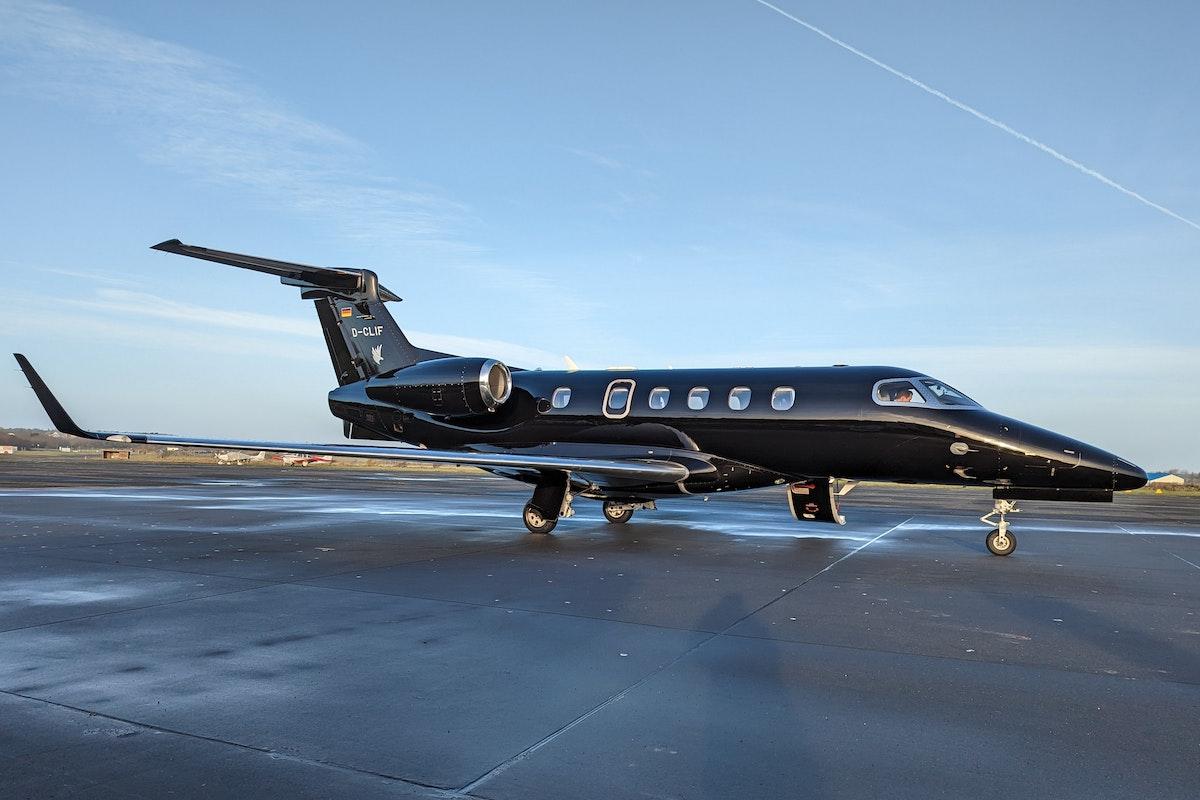
Investing in a private jet is a significant decision that combines the allure of luxury with substantial financial commitment. To navigate this complex market successfully, it’s essential to approach the process with thorough research and strategic planning. This guide provides a detailed roadmap to mastering the private jet market, ensuring that your investment aligns with both your personal and financial objectives.
- Assessing Your Needs and Objectives
Begin by clearly defining your requirements:
- Travel Frequency: Determine how often you anticipate using the aircraft annually. Industry experts suggest that if you spend approximately 200 to 300 hours on commercial or private charter flights annually, owning a private jet becomes a justifiable expense in terms of annual fixed costs.
- Typical Destinations: Identify your common travel routes and destinations. This will influence the range and performance specifications needed in an aircraft.
- Passenger Capacity: Consider the number of passengers you typically travel with to determine the appropriate size and configuration of the jet.
- Budget Constraints: Establish a clear budget that encompasses both the acquisition cost and ongoing operational expenses.
- Exploring Ownership Options
Evaluate the various ownership structures available:
- Full Ownership: Provides complete control over the aircraft but comes with higher costs and responsibilities.
- Fractional Ownership: Allows you to purchase a share of an aircraft, reducing costs while providing access based on your ownership percentage. Shares from as little as 1/16 of an aircraft, which offers approximately 37.5 hours of flight time per year, to 1/2 of an aircraft can be purchased, depending on the needs of the operator.
- Leasing: Offers flexibility without the long-term commitment of ownership, suitable for those with variable travel needs.
- Understanding Market Dynamics
Stay informed about current market conditions:
- Supply and Demand: The private jet market has seen fluctuations, with periods of increased demand leading to higher prices. Monitoring these trends can help in timing your purchase effectively.
- Depreciation Rates: Private jets typically depreciate by 50% at year five. Understanding depreciation patterns is crucial for assessing the long-term value of your investment.
- Financial Considerations
Analyze the financial aspects thoroughly:
- Acquisition Costs: Private jets range from $5 million for very light jets to over $110 million for executive airliners.
- Operating Expenses: Account for costs such as fuel, maintenance, crew salaries, insurance, hangar fees, and other variable expenses.
- Financing Options: Explore different financing methods, including loans, leases, and potential tax advantages associated with aircraft ownership.
- Selecting the Right Aircraft
Choose an aircraft that aligns with your needs:
- New vs. Pre-Owned: Pre-owned jets offer cost savings but require diligent inspection of maintenance history and potential refurbishment needs. citeturn0search1
- Aircraft Type: Consider factors such as range, speed, cabin size, and amenities to ensure the aircraft meets your travel requirements.
- Conducting Due Diligence
Perform comprehensive evaluations before finalizing the purchase:
- Pre-Purchase Inspection: Conduct thorough inspections to assess the aircraft’s condition and identify any potential issues.
- Title Search: Ensure there are no existing liens or legal issues associated with the aircraft.
- Maintenance Records: Review the aircraft’s maintenance history to confirm compliance with regulatory standards and assess future maintenance needs.
- Navigating the Purchase Process
Approach the acquisition methodically:
- Letter of Intent (LOI): Outline the terms and conditions of the purchase.
- Purchase Agreement: A legally binding document detailing all aspects of the transaction.
- Escrow Services: Secure funds during the transaction to protect both buyer and seller.
- Registration: Comply with national aviation authorities to register the aircraft.
- Post-Purchase Management
Ensure efficient operation and maintenance post-acquisition:
- Aircraft Management Company: Handle day-to-day operations, maintenance, and crew management.
- Insurance Coverage: Obtain comprehensive insurance tailored to your usage and risk profile.
- Maintenance Programs: Enroll in programs that manage routine maintenance and unexpected repairs.
- Considering Revenue Generation
Offset ownership costs by generating revenue:
- Charter Opportunities: Offering your aircraft for charter can help offset ownership costs. Choosing a jet that will be attractive on the charter market is a strategic consideration.
- Leaseback Arrangements: Lease your aircraft to a charter company during periods of non-use to generate additional income.
- Staying Informed and Connected
Maintain engagement with the aviation community:
- Industry Events: Attend conferences and airshows to stay abreast of developments.
- Professional Networks: Join associations like the National Business Aviation Association (NBAA) for resources and networking opportunities.
- Continuous Learning: Stay updated on regulatory changes, technological advancements, and market dynamics.
Investing in a private jet requires careful consideration and strategic planning. By following this comprehensive guide, you can navigate the complexities of the private jet market and make informed decisions that align with your personal and financial goals.