


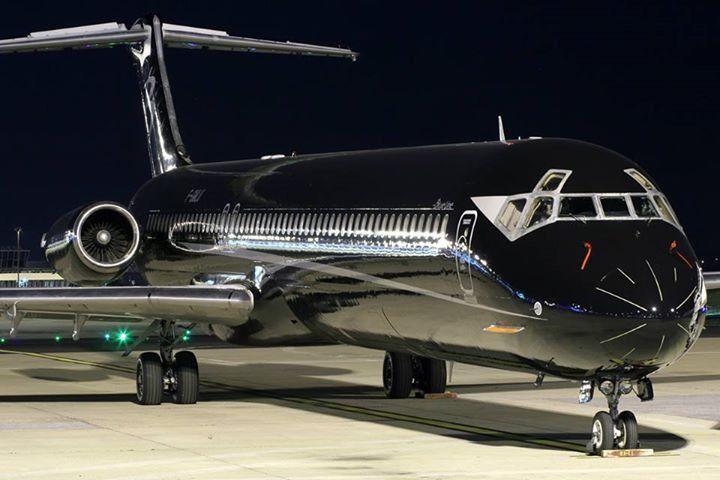
For owners and operators of private jets, parking is an essential but often overlooked aspect of air travel logistics. While flying in a private jet offers unmatched convenience and flexibility, choosing the right private jet parking facility comes with its own set of challenges, including understanding the costs, evaluating services, and ensuring convenience. This article delves into the various costs and considerations involved in private jet parking, providing an in-depth guide for jet owners, operators, and aviation enthusiasts alike.
1. Types of Private Jet Parking Options
Private jet parking generally falls into two categories: short-term and long-term parking, each with its own set of features and associated costs.
1.1 Short-Term Parking
Short-term parking is often used when the jet owner or passengers will be on the aircraft for a few hours or overnight. This option typically provides convenience and quick access to the aircraft but can be more expensive on a per-day basis compared to long-term parking. FBOs (Fixed-Base Operators), private companies offering ground services at airports, usually provide short-term parking services.
Key Features of Short-Term Parking:
- High accessibility: Jet owners can access their aircraft quickly for last-minute changes or departures.
- Higher costs: Due to its convenience, short-term parking is often priced higher than long-term options.
- Enhanced services: Many short-term parking facilities offer additional services, such as valet parking, cleaning, and refueling, to make the experience as smooth as possible.
1.2 Long-Term Parking
Long-term parking is ideal for owners or companies that need to leave their jet at a location for several days, weeks, or even months. These spaces tend to be more economical for extended periods, but they may lack the immediate convenience of short-term options.
Key Features of Long-Term Parking:
- Lower costs: With extended parking times, the cost per day tends to be lower.
- Limited availability: Depending on the location, there may be fewer long-term parking spots available.
- Security measures: Long-term parking areas often offer more robust security measures, given the duration of time the jet will be parked.
2. Factors Affecting Private Jet Parking Costs
The cost of parking a private jet depends on several factors, from the size and weight of the aircraft to the airport’s location. Understanding these key elements can help jet owners plan and budget more effectively.
2.1 Airport Location
The location of the airport plays a critical role in parking costs. Airports in major metropolitan areas or high-demand locations, such as New York, Los Angeles, or London, are likely to charge significantly more for parking than airports in less densely populated areas. Proximity to busy air traffic hubs or popular tourist destinations can drive up parking fees.
- Popular airports: High-traffic locations such as Teterboro Airport (New Jersey) or Los Angeles International (LAX) are known for their expensive parking fees due to demand and real estate costs.
- Private airports: Smaller, private airports often offer more affordable parking options for private jet owners. These airports may charge lower landing fees and offer more flexibility in terms of parking.
2.2 Aircraft Size
The size and weight of a private jet can significantly impact parking fees. Larger jets, such as Gulfstream G650 or Bombardier Global 7500, typically require more space and may incur higher parking charges due to their size and weight. Smaller aircraft, like light jets or turboprops, usually cost less to park.
Parking Costs Based on Aircraft Size:
- Small jets: Smaller jets, such as the Embraer Phenom 100, may cost between $50 to $150 per day for parking at smaller airports.
- Large jets: For large jets, costs can increase to upwards of $500 to $2,000 per day depending on the location.
2.3 Duration of Stay
The length of time a private jet will be parked at the airport greatly influences the total cost. For instance, a short layover might only cost a few hundred dollars, whereas long-term parking for a few weeks or months could run into the thousands. Hourly, daily, weekly, and monthly parking options offer varying cost structures.
- Hourly fees: For quick stops, airports may charge by the hour. These rates tend to be high due to the convenience of short-term access.
- Monthly rates: If you plan to park your jet for extended periods, inquire about monthly parking rates, which typically offer better value compared to daily rates.
2.4 Additional Services and Amenities
Beyond the basic parking fee, there are often extra costs associated with services provided by the airport or FBOs. These can range from fueling and maintenance to cleaning and catering services.
- Fueling services: Many private jet owners opt for fueling services, which can add to the overall cost.
- Maintenance and cleaning: Some airports offer maintenance checks, routine inspections, and even cleaning services while the aircraft is parked. These can add several hundred dollars to the overall bill.
- Security measures: Enhanced security options, such as 24/7 surveillance, private guards, and fenced-off parking areas, can also increase parking costs.
3. Choosing the Right Private Jet Parking Facility
Selecting the right private jet parking facility requires careful consideration of various factors. The convenience, security, and overall cost will play significant roles in your decision-making process.
3.1 Convenience and Accessibility
The most important aspect of private jet parking is accessibility. It’s crucial to choose a facility that provides easy and quick access to the aircraft. Some owners prefer parking at private airports that offer VIP treatment, while others may prioritize proximity to major city centers or personal residences.
- Private airports: For ultimate convenience, private airports can provide exclusive services customized to the jet owner’s needs.
- Commercial airports: Some owners may choose commercial airports for their proximity to major routes, despite the higher parking costs.
3.2 Security Considerations
Security is another key aspect when selecting a private jet parking facility. Private jet owners must be confident that their aircraft will be safe from theft, damage, or unauthorized access during its time in the parking lot. Therefore, consider the following:
- CCTV monitoring: Facilities with advanced video surveillance systems offer added security for your jet.
- On-site security staff: Many parking areas employ dedicated security personnel who are responsible for monitoring the aircraft and its surroundings.
- Fencing and gates: A secure perimeter with fencing and gates is vital for ensuring that only authorized individuals can access the parking area.
3.3 Parking Availability
Availability can be a major issue, especially during busy seasons or in high-demand airports. Reservations are highly recommended in such cases, as shortage of spaces can result in higher fees or long waiting times. For aircraft owners with frequent flights, a reserved, long-term parking spot can be more economical.
4. Hidden Costs of Private Jet Parking
When budgeting for private jet parking, there are several hidden costs that may not be immediately apparent. These include:
- Landing fees: Airports charge landing fees for each flight, which can add to the overall cost of using the airport facilities.
- Ramp fees: A ramp fee is charged when the jet is parked on the ramp, and not in a hangar or designated area. These fees can vary depending on the airport.
- Hangar fees: If you need to store your jet in a hangar to protect it from the elements, expect to pay additional fees. Hangars provide climate control, which can be crucial for protecting sensitive parts of the jet, like the engine or avionics.
5. Tips for Reducing Private Jet Parking Costs
For private jet owners looking to manage parking expenses, consider the following tips:
- Book in advance: Pre-booking parking spaces can often lead to discounts and better availability.
- Choose smaller airports: Parking at private or regional airports can be more affordable than at major international hubs.
- Use a single FBO: If possible, establish a relationship with a single FBO, which can lead to negotiated parking rates and more favorable terms over time.
- Consider long-term parking: For extended stays, long-term parking offers a cost-effective solution compared to short-term options.
Conclusion
Parking a private jet involves much more than simply finding a spot. With costs influenced by a variety of factors including airport location, aircraft size, and duration of stay, private jet owners must carefully consider their options. By understanding the costs involved, evaluating the available services, and choosing the right parking facility, you can ensure that your aircraft is safely stored while also managing your budget. Whether you’re looking for convenience, security, or long-term parking solutions, taking the time to choose the best facility will pay off in the long run.
With increased demand for private aviation services, it is likely that private jet parking facilities will continue to evolve, offering innovative solutions to meet the growing needs of jet owners around the world.


