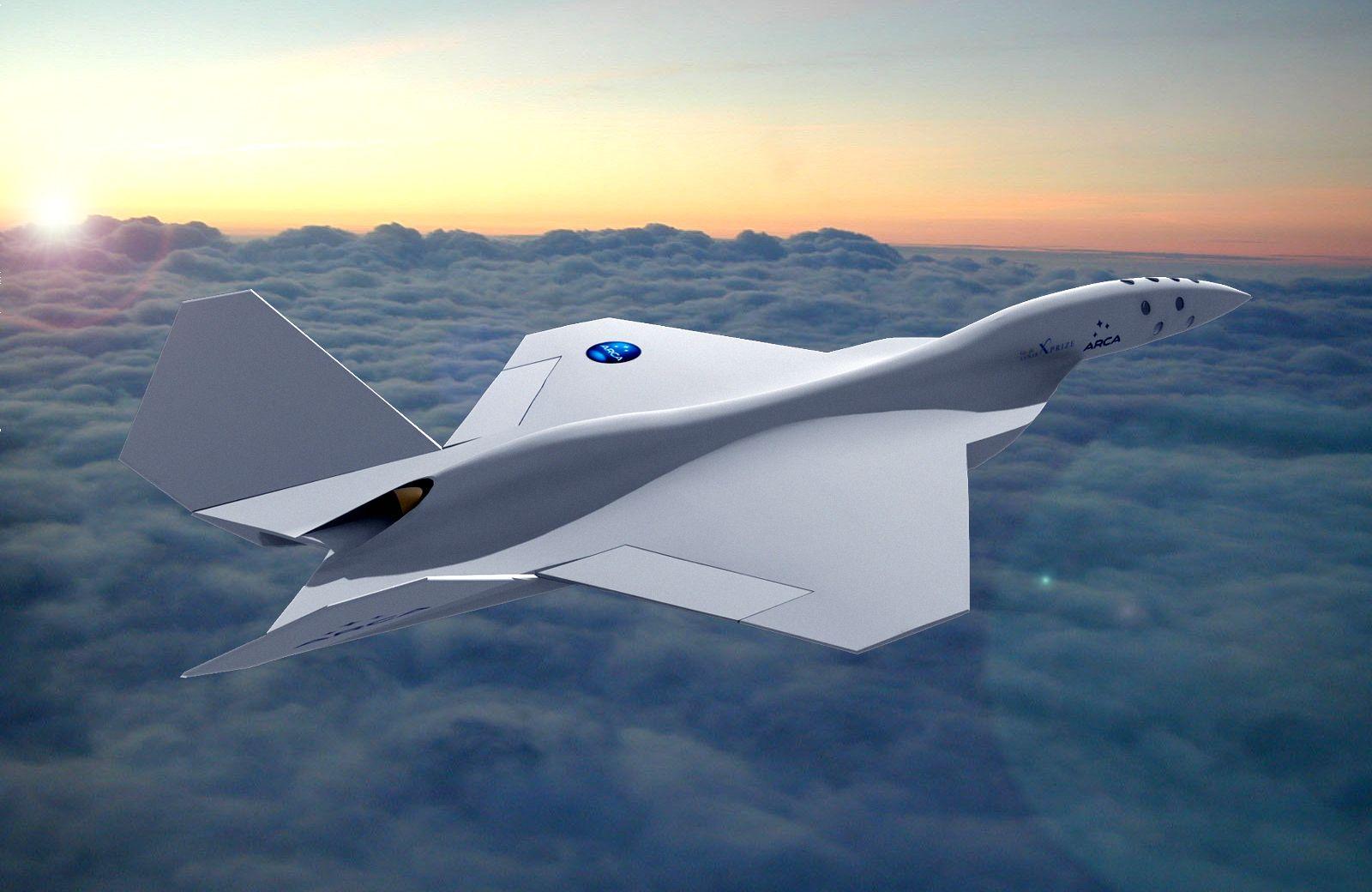
private jet technology privatejetia 18
Purchasing a private jet is one of the most significant financial decisions many individuals and businesses will ever make. Beyond the immediate cost of the aircraft, owning a private jet is an ongoing investment that involves operational costs, maintenance, and, eventually, resale value. To ensure that you’re maximizing value throughout the process, creative and strategic approaches can make all the difference.
In this guide, we will explore the creative techniques and strategies that will help you make a smart purchase, protect your investment, and unlock the full potential of private jet ownership. From negotiating a better price to ensuring the right jet model for your needs, this masterclass will teach you how to secure the most value in your purchase.
- Clarify Your Objectives and Define Your Needs
The first step in maximizing the value of your private jet purchase is to fully understand your personal or business goals. What you plan to do with the jet will directly influence the type of aircraft you should buy, as well as the operational costs you should be prepared for.
Personal vs. Business Use: If you’re purchasing a jet primarily for personal use, factors such as comfort and luxury will be your top priority. However, if the jet will be used for business travel, you may want to consider additional amenities like conference rooms or long-range capabilities.
Range and Capacity: Take into account the distances you will typically travel. If you plan to fly internationally, opt for a jet with a longer range. For shorter trips, a lighter jet will suffice and be more cost-efficient.
Ownership vs. Chartering: Sometimes, owning a private jet may not always make the most financial sense. Consider whether chartering a jet for occasional trips might provide more flexibility and lower costs. A hybrid solution might involve owning a smaller, more cost-effective jet while chartering larger aircraft as needed.
Clearly defining your goals will help you narrow down options, avoiding impulse purchases and focusing on maximizing your investment in the long term.
- Consider Pre-Owned Jets
While new jets can be alluring, purchasing a pre-owned jet can offer considerable value and cost savings. When choosing a used aircraft, you should focus on its age, maintenance history, and market demand to ensure that you are getting a solid deal.
Depreciation Advantage: New jets typically lose value quickly within the first few years. A pre-owned jet has already gone through this steep depreciation, so you can often get a much better deal while avoiding the rapid loss of value that new aircraft face.
Proven Performance: A used jet with a solid maintenance history and good performance track record can offer excellent reliability. Be sure to verify the maintenance logs and request an independent inspection to ensure that the jet is in good condition.
Market Trends: Some aircraft models hold their value better than others. By focusing on models that have a good resale history, you can enhance your chances of maintaining or even increasing the jet’s value over time.
By opting for a pre-owned jet, you may get a more luxurious or better-equipped model without the upfront premium cost associated with new aircraft.
- Work with a Skilled Aviation Broker
An experienced aviation broker can help you navigate the complexities of the jet market, identify deals, and negotiate favorable terms on your behalf. They bring a wealth of industry knowledge that can help you maximize the value of your purchase.
Market Access: Brokers have access to off-market deals and may have insider information on jets that are being sold privately or in a quiet manner. This gives you access to opportunities that may not be listed publicly.
Negotiation Skills: A seasoned broker knows how to negotiate on your behalf, securing better pricing and terms than you may be able to achieve on your own. They can also assist with making strategic offers that help you get the best value.
Streamlined Process: From arranging inspections to handling the paperwork, a broker can make the process smoother, saving you time and preventing unnecessary complications.
Working with a broker not only saves you time but can also open doors to deals that may be difficult to find on your own.
- Perform Thorough Due Diligence
Maximizing the value of your private jet requires careful due diligence. Ensuring that the jet is in top condition and a good long-term investment should be a priority.
Aircraft Inspection: Always have the jet inspected by a trusted aviation mechanic or service provider. A thorough inspection can identify any potential issues that could affect the jet’s value, such as hidden mechanical problems or required repairs.
Maintenance and Repair History: Review the jet’s full maintenance history to confirm that it has been well-maintained and that there are no major unresolved issues. A jet with a solid maintenance record is often more valuable than one that has undergone major repairs.
Market Comparisons: Make sure to compare the jet’s price with similar models on the market. This will help you gauge whether you’re getting fair value and help you avoid overpaying for an aircraft.
The goal is to ensure that you’re buying an aircraft that won’t come with costly surprises down the road. If you discover any issues during the inspection, you may be able to negotiate a lower price or request the seller to make necessary repairs.
- Leverage Tax Benefits
Owning a private jet often comes with valuable tax benefits. By understanding these tax advantages, you can potentially reduce the overall cost of ownership and maximize the return on your investment.
Depreciation Deductions: Depending on how the jet is used, you may be able to claim depreciation deductions for tax purposes. This is a valuable strategy for business owners who plan to use their jet for business-related flights.
Section 179 Deduction: Under certain conditions, the U.S. tax code allows for an accelerated depreciation deduction under Section 179. This could allow you to deduct the cost of the jet in the year it’s purchased, which can offer significant tax savings.
Operating Expense Deductions: In addition to depreciation, you can deduct operating expenses related to the use of the jet for business purposes, such as fuel, maintenance, and crew salaries. These deductions will reduce your overall cost of ownership and maximize the value of your investment.
By consulting with an aviation tax specialist, you can ensure that you’re leveraging all available tax benefits and minimizing the long-term costs of ownership.
- Plan for Long-Term Maintenance
Maximizing value is not just about the purchase price; it’s also about the ongoing maintenance of your jet. Ensuring that the aircraft is well-maintained can help preserve its value over time and reduce unexpected repair costs.
Scheduled Maintenance: Stay on top of scheduled maintenance to ensure that the aircraft remains in optimal condition. This helps extend its lifespan and can prevent the need for costly repairs down the line.
Warranty Options: Consider purchasing extended warranties or service contracts to protect your investment from expensive maintenance costs. Some manufacturers and third-party companies offer coverage that can help reduce your long-term maintenance expenses.
Flight Hours: Keep track of the aircraft’s flight hours, as this can impact the required maintenance and the overall wear and tear on the jet. Proper management of flight hours will help ensure that the jet is always operating at its best.
Planning for maintenance and setting aside a budget for ongoing care will ensure that your jet retains its value and continues to perform well for years to come.
- Resale Strategy
At some point, you may decide to sell your private jet, and having a resale strategy in place can help you get the maximum return on your investment.
Resale Value: Some jet models have a strong resale value, while others can depreciate rapidly. Opt for aircraft that have a reputation for holding their value or appreciate over time. A well-maintained, popular model is more likely to fetch a higher resale price.
Timing: The private jet market fluctuates based on various economic factors, so timing can be crucial when it comes to resale. Keep an eye on market trends and aim to sell when demand for your specific jet model is high.
Working with a Broker: Just as you hired a broker to help you buy the jet, a broker can assist with the sale. They can market your jet to potential buyers, negotiate the best price, and guide you through the entire sales process.
Planning for the eventual resale of your jet ensures that you maximize the value of your investment not only at the time of purchase but throughout the entire ownership experience.
Conclusion
Maximizing the value of your private jet purchase requires a thoughtful approach, strategic decision-making, and attention to detail. By clarifying your needs, opting for a pre-owned jet, conducting thorough due diligence, and leveraging tax benefits, you can ensure that you’re getting the most value from your purchase. Additionally, working with experts like brokers and aviation professionals can save you time, effort, and money, while proper planning for maintenance and resale can help preserve and enhance your investment’s worth over time. With the right techniques, purchasing a private jet can be a lucrative and satisfying endeavor.


