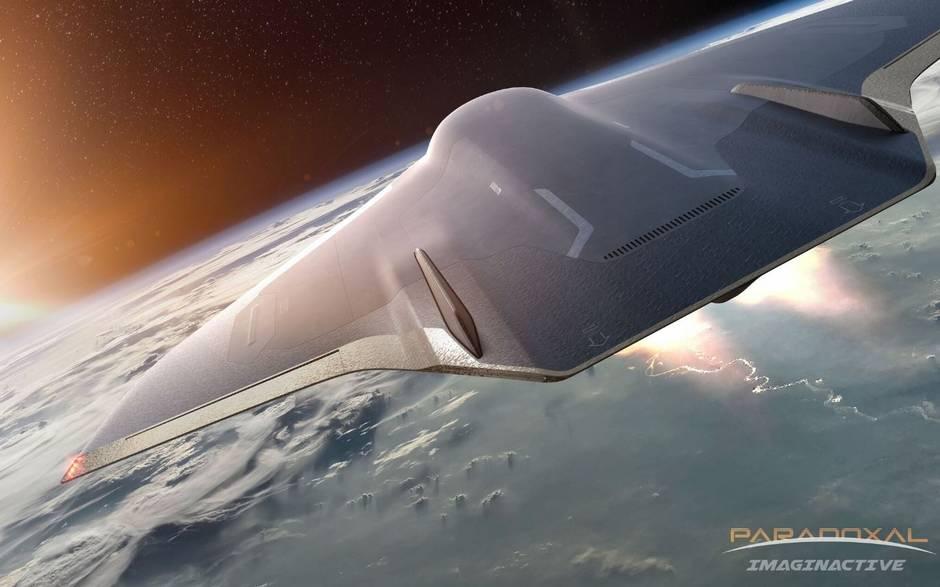
Purchasing a private jet is an exciting venture, but it also requires strategic planning, a deep understanding of the aviation market, and creative thinking to make the best choice. Whether you’re buying a private jet for business or personal use, securing the right aircraft involves careful consideration of factors such as your budget, usage needs, and long-term goals.
This playbook is designed to guide you through the process of buying a private jet with expert insights and creative tips to help you navigate the complex world of luxury aviation. From identifying the perfect aircraft model to securing financing and managing the purchase process, this guide will ensure that you approach the private jet market with confidence.
Step 1: Define Your Purpose and Usage
The first step in purchasing a private jet is to clearly define your purpose and usage needs. Are you buying the jet for personal travel, business purposes, or a combination of both? Knowing how you plan to use your jet will determine the type of aircraft that best suits your requirements.
- Personal Use: If you’re purchasing a jet for personal use, consider factors such as comfort, range, and the number of passengers you expect to accommodate. Smaller light jets may be suitable for shorter trips and fewer passengers, while larger heavy jets provide more space and longer-range capabilities.
- Business Use: If the jet will primarily be used for business, you may need an aircraft with more office-like features, such as conference rooms, full internet connectivity, and a flight crew. Midsize jets and large jets are commonly used for business purposes, offering greater flexibility for frequent travel.
- Chartering Opportunities: If you plan to charter your jet when it’s not in use, you’ll need to think about demand and how to select an aircraft that will be attractive to potential clients. Aircraft that are in high demand, such as Gulfstream or Bombardier, tend to have higher resale value and appeal to a broad range of customers.
Step 2: Establish Your Budget and Financial Plan
Private jets are significant financial investments, and setting a clear budget is essential to ensure you don’t overextend yourself. However, the cost of purchasing a private jet is just one part of the financial equation. You must also account for ongoing expenses, such as maintenance, fuel, crew salaries, insurance, and hangar fees.
- Purchase Price: Private jets come with a wide range of prices depending on the size, age, and model. Pre-owned jets can offer significant savings over new ones but may require more maintenance or upgrades. Determine your price range for both new and used aircraft
- Financing Options: If you’re not paying for the jet upfront, explore financing options. Private jet loans are available, offering favorable terms if you have a strong financial profile. You may also want to consider leasing as an alternative to buying, as it offers more flexibility.
- Operating Costs: Be aware of the ongoing operational costs of jet ownership. These can easily run into the millions annually depending on the size of the jet and its usage. A common rule of thumb is to budget for approximately 10-15% of the jet’s purchase price annually for maintenance and operational costs.
- Tax Benefits: In many cases, purchasing a private jet for business purposes can lead to significant tax deductions. Speak with a tax advisor who is familiar with aviation tax law to maximize potential savings.
Step 3: Explore Aircraft Options and Research Models
With your purpose and budget in mind, it’s time to start exploring the different types of private jets available on the market. While there are countless aircraft models to choose from, narrowing down your options can help you make an informed decision.
- Light Jets: These jets typically accommodate 4-8 passengers and are ideal for shorter flights. Brands like Embraer and Cessna produce high-quality light jets that offer efficiency and comfort. These jets are great for smaller trips and regional flights.
- Midsize Jets: Midsize jets offer more space and range, accommodating 6-9 passengers. Brands like Learjet and Hawker offer popular midsize jets, which are versatile and suitable for both personal and business travel.
- Heavy Jets: Designed for longer flights, heavy jets can carry 10 or more passengers and offer luxurious amenities. Models such as the Gulfstream G550, Bombardier Global 6000, and Dassault Falcon 7X are popular among high-net-worth individuals and businesses seeking top-tier comfort and performance.
- Ultra-Long-Range Jets: For those seeking maximum comfort and range, ultra-long-range jets like the Gulfstream G650ER and Bombardier Global 7500 are the maximum experience of luxury aviation. These jets can travel nonstop for over 7,000 nautical miles and are ideal for transcontinental and intercontinental travel.
Step 4: Consult with a Private Jet Broker or Expert
The private jet market can be overwhelming, especially for first-time buyers. That’s why working with an experienced jet broker or aviation consultant is highly recommended. A knowledgeable expert can help you navigate the complex process, identify the best options, and ensure that you make a sound investment.
- Jet Brokers: Brokers specialize in finding the right aircraft for buyers and negotiating the terms of the purchase. They have access to a network of sellers and can help you find off-market deals that aren’t widely advertised.
- Aviation Consultants: An aviation consultant can offer strategic advice on the operational aspects of jet ownership, including crew management, maintenance schedules, and regulatory compliance. They can also assist with compliance checks to ensure that your purchase meets all legal and safety requirements.
- Aircraft Appraisers: If you’re purchasing a pre-owned jet, an aircraft appraiser can help you assess the true market value of the jet. This ensures that you don’t overpay and that the jet is in good condition.
Step 5: Evaluate Aircraft History and Condition
Before finalizing your purchase, it’s crucial to thoroughly evaluate the aircraft’s history and physical condition. A private jet is a significant asset, and buying one that has been poorly maintained or has a questionable history can lead to costly repairs and devaluation.
- Service History: Ask for a full maintenance log to verify that the aircraft has been regularly serviced and is up to date on required inspections. Look for any signs of wear and tear, and pay attention to whether the jet has been involved in any accidents or incidents.
- Exterior and Interior Inspection: Have an independent aircraft inspector assess both the exterior and interior condition of the jet. The inspector will look for any signs of damage, corrosion, or issues with the engine, avionics, and other key components. A thorough inspection will help prevent unexpected repair costs after purchase.
- Test Flights: If possible, schedule a test flight to evaluate the performance of the aircraft in real-world conditions. This will allow you to assess how the jet handles, the comfort of the cabin, and the overall experience.
Step 6: Negotiate the Best Price and Terms
Negotiating the price of a private jet is an art. Many sellers expect some level of negotiation, and it’s important to approach the deal with a clear understanding of the market value and your budget.
- Know the Market: Research the market value of the jet you’re interested in to ensure you’re getting a fair deal. Keep in mind that private jets don’t always have fixed prices, and the final cost can vary depending on the model’s age, condition, and demand.
- Additional Costs: Be sure to account for any additional costs beyond the purchase price, such as delivery fees, customizations, taxes, and registration. These costs can add up quickly, so it’s essential to factor them into your negotiation.
- Negotiating Upgrades: If you’re purchasing a new jet, you may have the opportunity to negotiate upgrades or special features, such as customized interiors, advanced avionics, or additional safety features. Don’t hesitate to ask for what you want.
Step 7: Finalize the Purchase and Close the Deal
Once you’ve successfully negotiated the price and terms, it’s time to finalize the deal. This involves reviewing and signing the purchase agreement, completing the necessary paperwork, and transferring funds.
- Legal Review: Ensure that the purchase agreement is thoroughly reviewed by a legal expert specializing in aviation transactions. This ensures that all terms are clear, and you understand your responsibilities and rights as a buyer.
- Payment: Depending on the terms of your agreement, you may need to make a down payment or arrange for financing. Make sure that all payment details are outlined in the contract to avoid any confusion later.
- Ownership Transfer: After the transaction is complete, the ownership of the jet will be officially transferred to you. You’ll receive the necessary documents, including the bill of sale, registration papers, and any warranties.
Conclusion
Purchasing a private jet is a significant and exciting decision that requires careful planning and execution. By following this private jet purchase playbook, you can secure your luxury aircraft with confidence, knowing that you’ve taken the right steps to find the best deal and investment for your needs. From defining your goals to negotiating the best price, the process of purchasing a private jet is an art that combines strategic thinking, creative problem-solving, and financial insight. Happy flying!