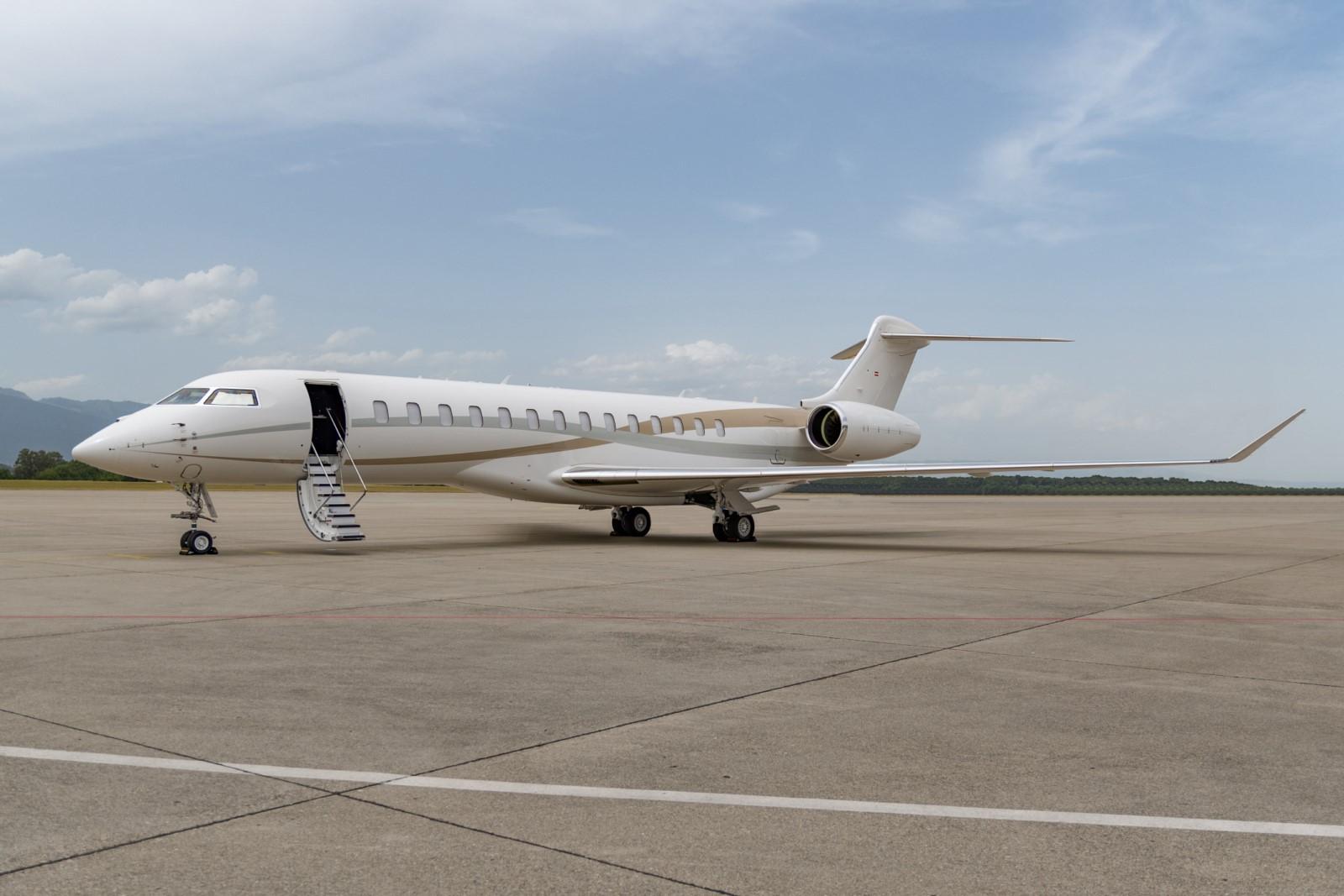
The idea of owning a private jet represents the summery of luxury, status, and convenience. However, purchasing a jet is not just about acquiring an aircraft; it’s about making a high-value investment that requires careful thought, strategy, and planning. If done right, a private jet can serve as an excellent asset that improves both your lifestyle and business operations, with long-term benefits.
In this guide, we will break down creative techniques and strategies for purchasing a private jet, ensuring that your investment is smart, cost-effective, and aligned with your unique needs and aspirations. From choosing the right jet to understanding financial considerations and resale potential, this comprehensive guide will help you navigate the journey toward owning your own jet with confidence and creativity.
Step 1: Define Your Purpose for Buying a Private Jet
Before diving into the purchasing process, it’s important to clarify your purpose for buying a private jet. This helps shape the entire investment strategy, from the type of jet you purchase to how you use it. Some common reasons people invest in private jets include:
- Business Travel: A private jet is a powerful tool for business executives who need to travel frequently for meetings, conferences, or other professional commitments. Having your own jet allows you to avoid commercial airline hassles, maintain flexibility, and maximize productivity by traveling on your own schedule.
- Leisure and Lifestyle: For some, owning a private jet is about enhancing personal travel. Whether it’s for family vacations, quick getaways, or seasonal trips to favorite destinations, a private jet offers unparalleled convenience, privacy, and luxury.
- Investment Opportunity: Some buyers look at a private jet as an investment. By purchasing an aircraft that can be leased or chartered when not in use, you can generate income while still enjoying personal access to the jet.
- Status Symbol: Private jet ownership is also a powerful symbol of wealth and success. If prestige is a priority for you, the type of jet you choose and its branding will play a critical role in this aspect.
Once you’ve defined the purpose of your purchase, you can start narrowing down which type of aircraft best fits your needs. Whether it’s a light jet, midsize jet, or long-range aircraft, understanding the primary goal for your jet will help guide the decision-making process.
Step 2: Evaluate the Total Cost of Ownership
Owning a private jet goes beyond the initial purchase price. It’s crucial to assess the total cost of ownership, which includes ongoing expenses that can accumulate over time. Here’s a breakdown of the key factors to consider:
- Purchase Price: The purchase price of a jet is the most obvious cost, but it’s also important to factor in the upgrades and customizations you might want. Some jets come with luxury features such as custom interior designs, advanced avionics, and state-of-the-art entertainment systems, which can all increase the purchase cost.
- Financing: Many buyers choose to finance their jet, and it’s essential to explore different options such as bank loans, leasing, or owner financing. Working with a financial advisor specializing in aviation will help you select the best financing plan based on your budget and goals.
- Maintenance and Repairs: Routine maintenance, repairs, and inspections are necessary to keep the jet in top condition. Regular maintenance schedules vary depending on the jet model, but the general rule is that you will need to budget for major inspections every 3 to 5 years.
- Insurance: Insuring a private jet is a significant cost. The type of coverage you choose, as well as the model and value of your aircraft, will determine your annual insurance premiums. Don’t forget to include this in your total cost assessment.
- Fuel and Operational Costs: The fuel consumption of a jet can vary depending on its size, model, and the distance traveled. Large jets typically require more fuel, which can be a considerable ongoing expense, especially if you’re flying frequently. Additionally, you’ll need to budget for crew salaries, hangar fees, and landing charges at airports.
By evaluating these factors thoroughly, you can gain a clear picture of the total cost of ownership and determine whether the jet aligns with your financial goals.
Step 3: Choose the Right Jet Model for Your Needs
The next step is selecting the right jet model. Your choice will be influenced by factors such as how often you plan to use the jet, the distance you’ll be traveling, and the number of passengers you need to accommodate. Consider the following options:
- Light Jets: These are typically best for short to medium flights with a smaller group of passengers. Light jets like the Cessna Citation CJ4 or the Embraer Phenom 300 are perfect for regional travel and offer a more affordable entry point into private aviation.
- Midsize Jets: If you need more space and longer-range capabilities, midsize jets like the Hawker 800XP or Learjet 60 provide a balance between performance, comfort, and affordability. These jets can accommodate 6 to 8 passengers and are ideal for cross-country travel or international flights within certain ranges.
- Heavy Jets: For those who need long-range capability and the luxury of a larger cabin, heavy jets like the Gulfstream G500 or Bombardier Global 6000 are the ultimate choices. These jets offer expansive cabin space, high-end amenities, and the ability to travel non-stop across the globe. While more expensive, heavy jets retain their value well and provide the highest level of luxury.
- Ultra-Long-Range Jets: For international business travelers or high-net-worth individuals who demand the best, ultra-long-range jets like the Gulfstream G650ER or Bombardier Global 7500 offer the ability to fly anywhere in the world with ease. These jets provide the maximum experience of luxury and can seat more passengers, with top-of-the-line technology, privacy, and onboard comfort.
By selecting the right model that meets both your functional needs and lifestyle preferences, you ensure that your jet serves its intended purpose while maintaining its value.
Step 4: Consider Fractional Ownership or Leasing Options
If full ownership feels like too much of an investment or responsibility, consider fractional ownership or leasing as viable alternatives. These options provide flexibility and cost savings while still offering access to private aviation.
- Fractional Ownership: Fractional ownership allows you to buy a share of an aircraft, with the right to use it for a set number of hours per year. This arrangement can significantly reduce the initial financial burden of buying a jet, and you will still have access to luxury air travel on your schedule.
- Leasing: Leasing your jet allows you to offset operating costs by renting it out when it’s not in use. Leasing to charter companies or other individuals can help cover maintenance and operational expenses, especially if you don’t need the jet year-round.
Both options can help reduce the financial risk associated with owning a jet while still providing the benefits of private aviation.
Step 5: Work with Aviation Experts
The private jet market can be complex, which is why it’s crucial to work with aviation experts who can guide you through every step of the process. From finding the best deal to negotiating terms and conditions, these professionals have the experience and knowledge necessary to make your purchase smooth and successful.
- Brokers: An aviation broker is an expert in sourcing and negotiating jet deals. With access to a network of sellers, brokers can often secure the best prices and even find off-market deals that you wouldn’t otherwise have access to.
- Aircraft Inspectors: A professional aircraft inspector will assess the condition of the jet, ensuring there are no hidden issues that could result in costly repairs. They will check everything from the airframe to the engines and avionics to guarantee the jet meets safety and operational standards.
- Financial Advisors: A financial advisor who specializes in aviation can help you navigate the tax benefits of owning a private jet, as well as assist with financing options and long-term cost planning.
- Legal Advisors: There are legal considerations when purchasing a private jet, such as ownership structure, international regulations, and liabilities. Having a legal advisor with experience in aviation law will ensure that the purchase is structured correctly.
Step 6: Plan for Resale and Depreciation
While it’s easy to think about your jet as a lifelong purchase, you should also consider the resale value and depreciation over time. Even the most luxurious jets will lose value, but some models retain their value better than others.
- High-Quality Brands: Jets from well-known brands such as Gulfstream, Bombardier, and Dassault are likely to retain their value better than less popular models. These brands are highly respected and have a loyal customer base, ensuring demand when it’s time to sell.
- Upgrades and Customization: Adding customizations or updating the interior can increase the resale value of your jet. A well-maintained and updated jet will be more appealing to potential buyers.
By planning for the future and keeping resale potential in mind, you can minimize depreciation and maximize the value of your jet when it’s time to sell or trade up.
Conclusion
Purchasing a private jet is not just about buying an aircraft; it’s about making an investment that aligns with your lifestyle, business, and financial goals. By following these creative techniques, such as defining your purpose, evaluating total costs, selecting the right model, and working with aviation experts, you can ensure that your jet investment is a successful one.
Whether you opt for full ownership, fractional shares, or leasing, your jet can provide luxury, convenience, and income potential. By understanding all aspects of the purchase, from initial costs to long-term resale value, you can make an informed decision that elevates your lifestyle and meets your needs.