


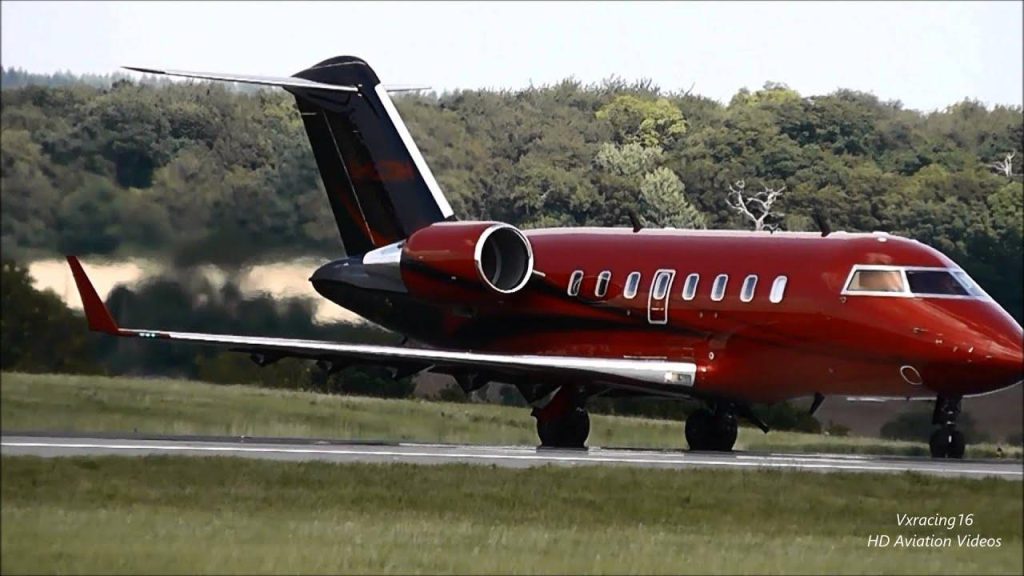
The global business environment is evolving at an unprecedented rate. Advances in technology, changes in consumer behavior, and the rising importance of international markets have made the landscape of global trade more dynamic and interconnected than ever before. As the world becomes more globalized, businesses must be able to adapt to rapidly changing conditions and respond swiftly to new opportunities. One of the key players in this evolving trade ecosystem is the private jet, which is increasingly seen as an essential tool for executives, entrepreneurs, and companies navigating the complexities of global commerce. Private jets are not just for luxury anymore; they have become indispensable for facilitating trade, fostering business relationships, and ensuring that key decision-makers remain agile and connected in an increasingly fast-paced market. In this article, we will explore how private jets are reshaping the landscape of global trade and why they are becoming a crucial asset for businesses worldwide.
The Evolution of Global Trade
Global trade has undergone significant transformation over the past few decades. The rise of emerging markets, the proliferation of digital technologies, and the expansion of multinational corporations have all contributed to a more interconnected and competitive global economy. Trade flows are no longer confined to traditional routes between developed nations; instead, new emerging economies are playing an increasingly important role in global commerce. In this new world of international trade, companies must be able to respond quickly to changing market conditions, and speed has become a critical factor in maintaining a competitive edge.
Historically, business leaders and trade representatives relied on traditional means of transportation to conduct international trade. Commercial air travel was once considered sufficient for global trade, but it has its limitations. Commercial flights are subject to rigid schedules, long wait times, and crowded airports, all of which hinder efficiency. As the demands of global trade have intensified, the need for a more flexible, time-efficient solution has become increasingly apparent. This is where private jets come in.
Private Jets: A Tool for Speed and Flexibility
Private jets offer a very uniqueed speed and flexibility, two crucial factors in today’s fast-moving business environment. With commercial flights, trade representatives and business leaders are at the mercy of airlines’ schedules. Delays, cancellations, and long layovers are common, and these disruptions can have serious consequences for companies that need to move quickly in response to market opportunities. In contrast, private jets allow executives to travel according to their own schedules. They can depart at a moment’s notice, adjust their travel plans in real-time, and arrive at their destinations without the delays and hassles associated with commercial air travel.
In the world of global trade, time is money. Business deals are often time-sensitive, and being able to travel swiftly between key markets and stakeholders can make all the difference. For example, a trade representative who needs to attend a meeting in multiple countries in a single day can do so with ease using a private jet. With the ability to access smaller, regional airports that are not serviced by commercial airlines, private jets also allow business leaders to get closer to their destinations, further reducing travel time and increasing efficiency.
The ability to avoid the crowded terminals and lengthy security procedures of commercial airports also offers significant advantages. For high-level executives, the convenience and time savings provided by private jets are invaluable. Instead of spending hours navigating through busy airports and waiting in long lines, executives can enjoy a seamless travel experience that allows them to focus on their work, take calls, or prepare for meetings while in the air. This level of convenience and time efficiency is essential for companies that need to stay ahead in a fast-paced global marketplace.
Enhancing Supply Chain Management
Effective supply chain management is at the core of global trade. As companies expand their reach and source materials from all corners of the world, the need for timely deliveries, efficient logistics, and responsive operations has never been greater. Private jets play a pivotal role in enhancing supply chain management by enabling companies to quickly transport key executives, suppliers, and even critical materials to and from remote locations.
In many industries, including manufacturing and technology, key executives or specialists need to visit production sites, negotiate with suppliers, or oversee logistics operations in various parts of the world. Private jets allow companies to move decision-makers and experts without the delays associated with commercial travel, ensuring that important operations and negotiations proceed without unnecessary interruptions.
Furthermore, private jets allow businesses to transport valuable goods and materials across long distances quickly and securely. In industries such as pharmaceuticals, technology, and fashion, timely delivery of components or finished goods is critical. A delay in the supply chain can result in significant financial losses, customer dissatisfaction, and missed opportunities. By using private jets to expedite deliveries, companies can maintain a competitive edge and ensure that their supply chains remain efficient and responsive.
Facilitating Cross-Border Negotiations and Relationships
In global trade, strong relationships with partners, clients, and stakeholders are essential for success. Business leaders must regularly travel to meet with international partners, negotiate deals, and build relationships that can lead to long-term business opportunities. Private jets make it easier for executives to travel to multiple countries in a single day, attend high-level meetings, and maintain personal connections with key players in their industries.
With the flexibility of private jets, executives can easily adjust their travel schedules to accommodate urgent meetings or last-minute changes. Whether it’s a meeting with a potential client in China, a negotiation with a supplier in Brazil, or a summit with international trade partners in Europe, private jets enable business leaders to maintain a constant presence on the global stage. This level of accessibility is crucial for fostering strong relationships and ensuring that businesses can remain responsive to the needs of their international partners.
Moreover, private jets provide a secure and confidential environment for sensitive negotiations. Business deals often involve proprietary information, financial discussions, or strategic planning that need to be kept private. Traveling on a private jet ensures that these conversations remain confidential, allowing executives to engage in high-level discussions without the risk of being overheard by competitors or other parties. The ability to conduct business in such a secure and private setting is invaluable for maintaining the integrity of trade negotiations and ensuring that business strategies remain protected.
Improving Business Productivity and Connectivity
One of the key advantages of private jet travel for global trade is the ability to remain productive while in transit. Long flights between continents often leave commercial passengers with little to do but wait. However, private jets are designed to offer a comfortable and functional environment where executives can continue to work during their flights. Many private jets are equipped with high-speed internet, video conferencing capabilities, and other tools that allow business leaders to stay connected with their teams, participate in virtual meetings, and complete important tasks while in the air.
This level of productivity is essential for businesses operating in a global trade environment. Time spent traveling can be used to finalize contracts, review documents, or discuss important matters with colleagues and stakeholders. By making the most of travel time, executives can ensure that they remain engaged with ongoing projects and stay ahead of the competition.
Moreover, private jets offer the comfort and privacy needed to conduct business efficiently. With ample space, plush seating, and a quiet, distraction-free environment, private jets allow executives to focus on their work without the interruptions and distractions often found in commercial flight cabins. The ability to work, rest, or relax during flights ensures that executives arrive at their destination refreshed and ready to engage in important business discussions.
Adapting to the Digitalization of Global Trade
The rise of e-commerce, digital payments, and blockchain technology has ushered in a new era of global trade. Digital platforms are increasingly facilitating international transactions, making it easier for businesses to connect with customers and suppliers around the world. While digitalization has transformed the way trade is conducted, it has also increased the need for real-time communication and decision-making.
Private jets support this digital revolution by allowing business leaders to stay connected and engaged with the digital tools that power global trade. With high-speed internet and video conferencing capabilities onboard, private jet passengers can seamlessly transition between virtual meetings and face-to-face discussions, making it easier to manage international trade deals and stay connected with global teams. As the digitalization of global trade continues to grow, private jets will play a vital role in ensuring that business leaders can remain agile and responsive in an increasingly interconnected world.
Strengthening Competitive Advantage
In today’s highly competitive global market, businesses must constantly innovate and stay ahead of their rivals. Private jets give companies a competitive advantage by providing the flexibility, efficiency, and connectivity needed to respond to market trends, seize opportunities, and close deals faster than competitors. The ability to access new markets, attend trade shows, and meet with key stakeholders around the world gives businesses the upper hand in an increasingly crowded global marketplace.
Whether it’s attending a major trade conference in Asia, meeting with potential partners in the Middle East, or conducting market research in emerging economies, private jets enable executives to maintain a competitive edge by being present in the right places at the right times. In a world where timing and relationships are everything, private jets ensure that business leaders are always one step ahead of the competition.
Conclusion
As the landscape of global trade continues to evolve, private jets are becoming an essential tool for businesses looking to stay competitive in a rapidly changing world. By offering unmatched flexibility, speed, security, and productivity, private jets enable companies to navigate the complexities of international trade and make the most of new opportunities. Whether it’s enhancing supply chain management, facilitating cross-border negotiations, or enabling executives to remain connected while traveling, private jets are helping businesses stay agile and responsive in an increasingly globalized market. As global trade continues to expand, the role of private jets in facilitating business and maintaining a competitive advantage will only grow more important in the years to come.


