PrivateJetia Private Jet Fly 53
The world of private jet ownership is one of luxury, exclusivity, and freedom. If you’ve decided that owning a private jet is the next step in your journey, you’re about to embark on an exciting adventure. However, purchasing a private jet isn’t as simple as buying a luxury car or a yacht. It involves significant financial investment, careful decision-making, and meticulous planning. That’s where this comprehensive guide comes in, designed to help you soar with confidence when buying your private jet.
Whether you’re a first-time buyer or someone looking to upgrade, this guide covers everything you need to know. From understanding the types of jets available to negotiating the best deal and securing the right financing, we’ll walk you through the process step by step. By the end, you’ll be ready to make informed decisions and get the best value for your investment.
The Benefits of Owning a Private Jet
Before diving into the details of purchasing a jet, it’s important to understand the numerous benefits of ownership. Private jets are not only about luxury and convenience; they offer practical advantages that can significantly enhance your lifestyle or business operations.
- Time Savings
The most significant advantage of owning a private jet is the time it saves. With a private jet, you can bypass long lines, delays, and crowded airports. You can fly on your schedule, to your chosen destination, and with minimal hassle. For business owners, time saved can translate directly into increased productivity and opportunities. - Flexibility and Freedom
A private jet offers unrivaled flexibility. You can choose to fly at a moment’s notice, change your itinerary mid-trip, or travel to smaller airports that commercial airlines can’t access. This level of freedom allows you to travel exactly how you want, without the constraints of traditional airline schedules. - Privacy and Comfort
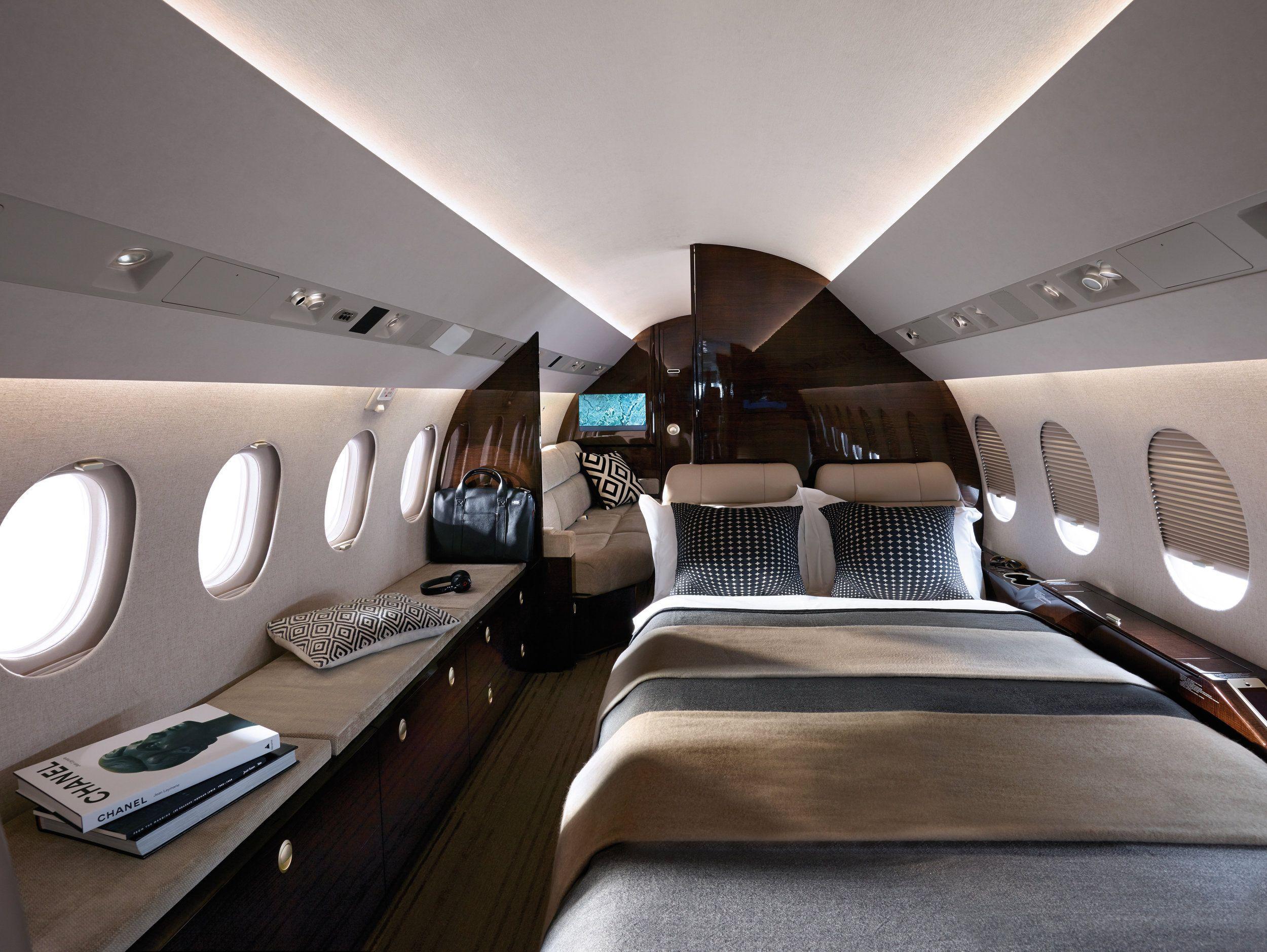
When you own a private jet, you control your environment. From luxurious interiors to personalized services, everything on board is tailored to your preferences. Whether it’s having a private space to conduct business or simply relaxing in ultimate comfort, a private jet offers an unparalleled level of privacy. - Cost-Effectiveness for Frequent Flyers
While purchasing a private jet can seem like an expensive endeavor, for frequent flyers, it can be more cost-effective than flying first class or chartering jets on a regular basis. With the right planning, private jet ownership can save you money over time.
The Different Types of Private Jets
When it comes to purchasing a private jet, one of the first things to decide is which type of aircraft suits your needs. There are several types of private jets, each with unique features, capacities, and costs.
- Light Jets
Light jets are the smallest and most cost-effective option. They typically seat 4-6 passengers and are ideal for short to medium-distance flights. These jets are perfect for individuals or small groups who need quick, efficient transportation for regional travel. - Midsize Jets
Midsize jets offer more space, comfort, and range than light jets. With a seating capacity of 6-8 passengers, they are perfect for longer trips and can fly up to 3,000 nautical miles. Midsize jets offer a good balance of affordability, comfort, and capability. - Heavy Jets
Heavy jets are designed for longer, intercontinental flights. With a capacity of 10-18 passengers, these jets offer exceptional comfort and amenities. They are ideal for large groups or families traveling long distances and are equipped with luxurious cabins, conference areas, and full bathrooms. - Ultra-Long-Range Jets
As the name suggests, ultra-long-range jets are capable of flying the longest distances, often exceeding 6,000 nautical miles. These jets are perfect for international travel and are designed to offer the highest level of comfort, including spacious cabins, luxurious amenities, and a smooth flight experience. Some popular models include the Gulfstream G650 and Bombardier Global 7500. - Turboprop Aircraft
Turboprop planes are smaller aircraft powered by a propeller and engine, making them more fuel-efficient for shorter flights. While not technically a jet, turboprops are often considered a suitable alternative for individuals looking for affordable, short-distance travel options.
Understanding the different types of jets available is key to determining which one is right for your needs. Consider how far you typically travel, how many people will be flying with you, and your budget to decide which type of aircraft best suits your lifestyle.
How to Start the Private Jet Buying Process
Once you’ve decided on the type of jet that suits your needs, the next step is to begin the buying process. The purchasing process for a private jet can be overwhelming, but breaking it down into manageable steps will make the journey more straightforward.
- Establish Your Budget
One of the first and most crucial steps in buying a private jet is determining your budget. The cost of private jets varies widely, with prices ranging from a few million to tens of millions of dollars. Consider not just the purchase price but also the ongoing costs of maintenance, fuel, insurance, and crew salaries. Be realistic about what you can afford and what makes sense for your long-term financial goals. - Research the Market
Research is essential when purchasing a private jet. You’ll want to stay informed about the prices of various models, understand the history of aircraft you’re interested in, and keep an eye on market trends. Several online resources, such as Controller and JetNet, can help you stay up to date on the latest listings and trends in private jet sales. - Engage a Professional Broker
Navigating the private jet market can be complex, which is why many buyers choose to work with a professional aviation broker. A broker will help you identify potential jets, negotiate prices, and handle the paperwork. They have extensive industry knowledge and connections, ensuring that you get the best possible deal. - Schedule Inspections
If you’re purchasing a pre-owned jet, it’s crucial to schedule an independent inspection before finalizing the deal. A qualified aviation mechanic can evaluate the jet’s condition, assess its maintenance history, and look for any potential issues. This step will give you peace of mind knowing that you’re purchasing an aircraft in good working order. - Negotiate the Deal
Like any major purchase, negotiating the price is a crucial part of the process. Many private jets are priced above the asking price, so there is often room for negotiation. Be prepared to negotiate not only on the price but also on terms such as delivery, warranties, and maintenance packages.
Insider Tips for Securing the Best Deal
Getting a good deal on a private jet requires more than just knowledge of the market, it also takes a strategic approach. Here are some insider tips for securing the best deal:
- Timing is Key
The timing of your purchase can significantly impact the price of your jet. Often, sellers are more motivated to close deals at the end of the year or at the end of their fiscal quarter. During these times, they may offer better deals or additional incentives to meet their sales targets. - Buy Used Instead of New
While new jets have their appeal, buying a used jet can save you a substantial amount of money. Jets depreciate quickly, with some losing as much as 30% of their value within the first 5 years. By purchasing a jet that is a few years old, you can avoid this steep depreciation while still getting an aircraft in excellent condition. - Look for Off-Market Deals
Not all private jets are listed on public marketplaces. Some aircraft are sold off-market through private negotiations. Working with a reputable broker can help you access these hidden deals that may not be available to the general public. - Consider Fractional Ownership
If you’re not ready for full ownership but still want the benefits of private jet access, fractional ownership can be an appealing option. With fractional ownership, you purchase a share of a jet, typically ranging from 1/8 to 1/16 ownership. This allows you to enjoy the benefits of a private jet without the full financial responsibility.
The Financial Side of Private Jet Ownership
Once you’ve found the right jet and agreed on a price, it’s time to consider the financial aspect of the purchase. There are several options for financing a private jet, and it’s important to choose the one that best aligns with your financial situation.
- Traditional Bank Loans
Many buyers choose to finance their jet purchase with a traditional bank loan. These loans typically require a down payment of 10-20% of the purchase price and come with fixed or variable interest rates. Ensure that the loan terms are favorable and manageable in the long term. - Aircraft Leasing
Aircraft leasing allows you to use a jet for a specified period without owning it outright. This can be a more affordable option for buyers who want the convenience of private aviation without the long-term commitment. Leasing often includes maintenance and support, making it a hassle-free option. - Private Jet Financing Companies
Several financing companies specialize in aircraft loans and leasing. These companies have expertise in private jet transactions and can offer tailored financing solutions to meet your needs.
The Ongoing Costs of Private Jet Ownership
Owning a private jet comes with more than just the initial purchase cost. There are several ongoing expenses that you need to account for when budgeting for jet ownership:
- Maintenance and Repairs
Private jets require regular maintenance to stay in top condition. These maintenance costs can range from thousands to millions of dollars per year, depending on the type of aircraft. - Fuel
Fuel is one of the largest ongoing expenses for private jet owners. Depending on how often you fly and the size of your jet, fuel costs can add up quickly. - Insurance
Private jet insurance is essential for protecting your investment. Premiums can vary based on the value of the jet, how often it’s flown, and the type of coverage you require. - Crew Salaries
If your jet requires a crew, their salaries will be another recurring cost. This includes pilots, flight attendants, and maintenance personnel.
Conclusion
Buying a private jet is a significant investment, but with the right approach, it can be a rewarding one. By understanding the different types of jets, conducting thorough research, negotiating effectively, and securing the right financing, you can make an informed purchase that fits your needs and budget. Follow the expert tips in this guide to ensure that you soar with confidence and get the best deal possible on your private jet.


