


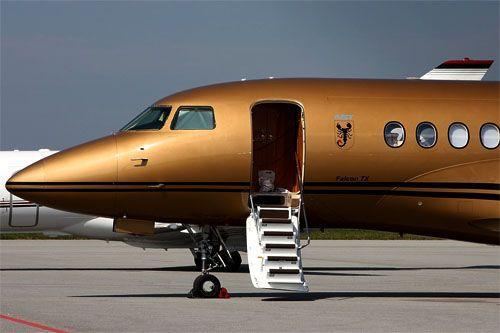
The aerospace industry is known for its constant push towards innovation, and one area where this progress is particularly remarkable is in the development of jet materials. For decades, aircraft engineers and manufacturers have focused on improving the strength, durability, and efficiency of the materials used in aircraft construction. With the introduction of super-lightweight, fireproof, and self-healing materials, the future of aviation is becoming safer, more sustainable, and more efficient than ever before. These cutting-edge materials are shaping the way we think about the design and operation of private jets, commercial airliners, and military aircraft, offering improved performance and enhancing passenger safety in unprecedented ways.
The Need for Lightweight Materials in Aviation
One of the most critical aspects of aircraft design is weight. The lighter the aircraft, the more efficient it is in terms of fuel consumption and operational costs. Aircraft manufacturers have long sought materials that are both strong enough to withstand the stresses of flight and light enough to reduce overall weight. For many years, aluminum alloys dominated the aviation industry because they offered a relatively good balance between weight and strength. However, as the demand for more fuel-efficient and environmentally friendly aircraft increased, engineers began to seek materials that could offer even better performance.
This led to the development of composite materials, such as carbon fiber and titanium, which are both lightweight and extremely strong. These materials have allowed aircraft to shed significant weight without compromising on safety or performance. However, while these materials are impressive in terms of strength-to-weight ratios, they are not without their limitations. Composite materials, for example, can be susceptible to damage and degradation over time, which is where new innovations in materials technology are making a huge impact.
Fireproof Materials in Aviation
Another area where innovation has been particularly important is in the fire resistance of jet materials. Aircraft fires, although rare, can have catastrophic consequences. For this reason, fireproofing has always been a top priority for aircraft manufacturers. Traditionally, aircraft components have been treated with fire-retardant coatings or designed using materials that can withstand high temperatures. However, as aircraft become faster and more technologically advanced, the need for materials that can withstand extreme temperatures without compromising performance has become even more pressing.
In response, materials science has seen the rise of advanced fireproof materials. These include ceramic composites and high-temperature polymers that can withstand temperatures far higher than traditional materials like aluminum or steel. Ceramic matrix composites (CMCs) are particularly promising for high-performance jet engines and exterior aircraft parts, as they can resist extreme heat while remaining light in weight. These fire-resistant materials provide greater safety for passengers and crew by reducing the risk of fire damage to critical components, including engines and electrical systems.
Moreover, the aviation industry is now investigating self-extinguishing materials that can automatically prevent fires from spreading, offering an added layer of protection in case of an emergency. By incorporating such fireproof materials into the structure of private jets and commercial aircraft, manufacturers are significantly enhancing the safety and reliability of their fleets.
The Emergence of Self-Healing Materials
Self-healing materials are one of the most exciting advancements in modern aerospace technology. These materials are designed to automatically repair themselves when damaged, reducing the need for costly repairs and increasing the lifespan of aircraft components. The concept of self-healing materials is inspired by biological systems, where the body naturally repairs wounds and injuries. In the same way, self-healing materials can detect and fix cracks or micro-damages in their structure, ensuring that the integrity of the material is maintained over time.
In aircraft, self-healing materials are crucial for preventing minor damage from turning into a major safety issue. For instance, carbon fiber-reinforced composites have been developed with the ability to self-repair when exposed to stress or damage. These materials contain microcapsules filled with a healing agent, such as resin, that is released when a crack or damage occurs. The healing agent then fills the crack, solidifying and restoring the material’s strength.
This self-healing property is particularly beneficial for components that are subject to high levels of stress and wear, such as aircraft wings, fuselage, and tail sections. By reducing the frequency and severity of damage, self-healing materials help to lower maintenance costs, improve aircraft longevity, and most importantly, enhance safety. The ability to detect and fix damage before it becomes critical reduces the likelihood of accidents caused by material failures, making private jet travel even safer.
How These Materials Are Revolutionizing Aircraft Performance
The combination of super-lightweight, fireproof, and self-healing materials is revolutionizing aircraft performance in several key ways:
- Improved Fuel Efficiency: Lightweight materials directly contribute to improved fuel efficiency. By reducing the overall weight of the aircraft, airlines and private jet operators can cut down on fuel consumption, leading to cost savings and a smaller environmental footprint. This is especially important as the aviation industry works to meet stricter emissions regulations and environmental goals.
- Enhanced Safety: Fireproof and self-healing materials significantly enhance safety by preventing catastrophic failures and reducing the need for repairs. Fireproof materials ensure that critical systems remain intact in the event of a fire, while self-healing materials reduce the risk of long-term damage from minor impacts, scratches, or cracks. These improvements result in fewer accidents and higher reliability across aircraft fleets.
- Longer Lifespan: Self-healing materials extend the lifespan of aircraft by preventing minor damage from causing major issues. This reduces the frequency of expensive repairs and the need for early replacements of components. As a result, aircraft can remain in service longer, which is particularly beneficial for private jet owners who prefer to maintain their jets for many years.
- Lower Maintenance Costs: The integration of these advanced materials reduces maintenance requirements, as minor damage can be repaired without the need for costly and time-consuming repairs. This is especially beneficial for private jet operators who rely on their aircraft for frequent travel and need to minimize downtime.
- Sustainability: As the aviation industry continues to focus on sustainability, the use of lightweight, fireproof, and self-healing materials plays a critical role in reducing aircraft emissions and fuel consumption. These materials help to make aviation greener by improving fuel efficiency and reducing waste.
The Future of Jet Materials: Ongoing Research and Development
The development of super-lightweight, fireproof, and self-healing materials for jets is still an ongoing process, with significant research and development taking place in labs around the world. The next frontier of materials science will likely include further improvements in nanomaterials and graphene-based composites, which are even stronger, lighter, and more fire-resistant than current materials.
Nanotechnology holds great promise for enhancing the properties of materials used in aviation, particularly in the areas of strength, durability, and fire resistance. Graphene, a one-atom-thick layer of carbon atoms, is known for its incredible strength and lightness, and researchers are exploring ways to integrate it into aircraft components. In addition to its physical properties, graphene is also a conductive material, making it ideal for use in aircraft electrical systems.
As research progresses, the materials used in aircraft will become even more advanced, efficient, and sustainable, ensuring a future where private jet travel is not only more luxurious but also safer and environmentally friendly.
Conclusion
The evolution of super-lightweight, fireproof, and self-healing jet materials represents a critical step forward in the aviation industry. By incorporating these materials into aircraft design, manufacturers are improving safety, performance, and sustainability, while also reducing costs. With ongoing research and development in the field, the future of aviation looks set to offer even more advanced, reliable, and efficient aircraft, making travel safer and more sustainable for everyone.


