


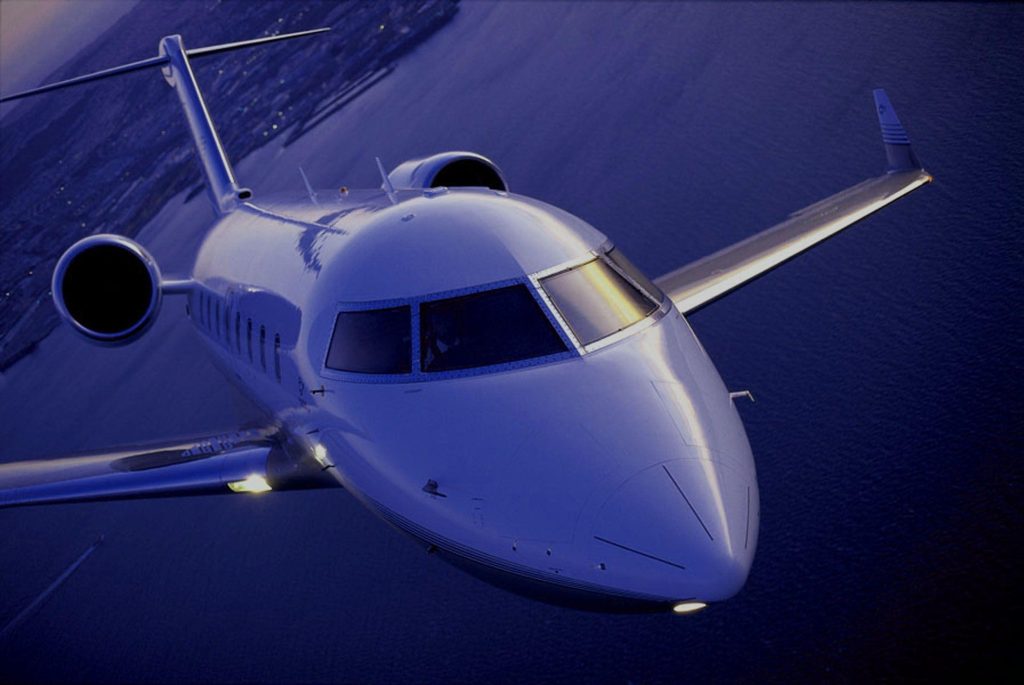
Owning a private jet is often seen as a prestigious and convenient way to travel. For business executives, celebrities, and high-net-worth individuals, private jets provide an a very uniqueed level of luxury, comfort, and flexibility. While the benefits are clear, private jet ownership comes with significant costs that go beyond the initial purchase price. Understanding these costs in detail is essential for anyone considering this luxury investment. In this comprehensive guide, we will break down the full scope of private jet ownership expenses, from the initial purchase and financing to ongoing operating costs like maintenance, crew salaries, and fuel. By the end of this article, you’ll have a clear understanding of the financial commitment involved in owning a private jet and how to budget for it.
- Initial Purchase Price: The First Big Expense
The first major cost of owning a private jet is the purchase price. The price of a private jet can vary significantly based on the make, model, age, and customization options. New jets can cost anywhere from $3 million to $70 million or more, depending on the type of aircraft. Smaller, entry-level jets like the Cessna Citation or Embraer Phenom typically cost between $3 million and $8 million, while larger, long-range jets like the Gulfstream G650 or Bombardier Global 7500 can exceed $50 million.
The initial purchase price isn’t the only expense associated with buying a private jet. In addition to the aircraft’s base price, there are often additional costs for customization, such as luxurious interior fittings, state-of-the-art avionics systems, and extended warranties. Customizations can easily add hundreds of thousands, if not millions, of dollars to the overall cost of the jet.
For those considering buying a pre-owned jet, the price can be significantly lower, with many quality used jets available for $1 million to $30 million, depending on age, condition, and upgrades. However, purchasing a used jet often comes with its own set of challenges, such as higher maintenance costs and the potential need for refurbishing or upgrading the aircraft to meet your standards.
- Financing a Private Jet
Most private jet buyers do not pay the full purchase price upfront. Financing a private jet is a common practice, and the terms of the loan will depend on various factors, including the cost of the aircraft, the borrower’s financial standing, and the loan term. Financing a private jet is typically done with a down payment of 10% to 20% of the purchase price, with the balance covered by a loan.
The loan terms for a private jet can vary, with repayment periods generally ranging from 5 to 15 years. The interest rate on a private jet loan is usually higher than on traditional loans, ranging from 4% to 6% annually, depending on the borrower’s credit profile. Monthly loan payments can range from $30,000 to $150,000 or more, depending on the size of the jet and the financing arrangement.
In addition to the basic loan payment, there may be fees associated with the financing, such as loan origination fees or closing costs, which should be included in your budget when planning for private jet ownership.
- Annual Operating Costs: Maintenance, Fuel, and More
Once you own a private jet, the annual operating costs become the largest ongoing expense. These costs can vary greatly depending on the size of the jet, its usage, and other factors. On average, private jet owners can expect to spend anywhere from $500,000 to $4 million per year on operating costs. Some of the most significant annual expenses include:
- Maintenance and Repairs
Maintenance is one of the most critical aspects of private jet ownership. Aircraft must be regularly serviced to ensure safety and optimal performance. Private jets require routine inspections, engine maintenance, tire replacements, avionics updates, and general repairs. On average, private jet owners can expect to spend between $200,000 and $500,000 annually on maintenance, depending on the aircraft’s age and usage.
Routine maintenance involves inspections after a certain number of flight hours, as well as periodic checks of key components like engines, landing gear, and avionics systems. Older aircraft may require more frequent maintenance and repairs, which can increase costs over time. Additionally, if the aircraft is used for long-haul flights or experiences heavy usage, it may require more intensive maintenance, driving up expenses.
- Fuel Costs
Fuel is one of the largest ongoing expenses for private jet owners. The cost of fuel can vary depending on the size of the jet, the distance flown, and the airport used. The price of jet fuel can fluctuate based on market conditions, regional variations, and surcharges from individual airports.
For larger jets like the Gulfstream G550 or Bombardier Global 6000, fuel costs can reach between $5,000 and $10,000 per hour of flight time. Smaller jets like the Cessna Citation or Embraer Phenom typically have fuel costs ranging from $1,000 to $2,000 per flight hour.
Fuel costs can add up quickly, especially if the jet is flown frequently or on long-distance international flights. In addition to the fuel itself, owners may incur additional costs for fueling services at airports, particularly at smaller or private airports where fuel surcharges may apply.
- Crew Salaries and Training
A private jet requires a professional crew to operate it safely and efficiently. At a minimum, this includes pilots and co-pilots, but many jet owners also hire flight attendants or other support staff for added convenience and luxury. Crew salaries can range from $100,000 to $300,000 per year for pilots, depending on their experience and the type of aircraft they fly. Co-pilots typically earn between $50,000 and $150,000 annually.
In addition to salaries, there are costs associated with training and certification. Pilots and co-pilots must complete regular training and re-certification to stay current on safety procedures and regulations. Training programs can cost tens of thousands of dollars each year, depending on the requirements for your specific aircraft.
If you choose to employ additional staff, such as a flight attendant or maintenance technician, their salaries and training costs should also be factored into your budget. A flight attendant can earn between $40,000 and $100,000 per year, depending on experience and the level of service provided.
- Insurance
Insurance is an essential cost for private jet owners. The cost of insurance varies depending on the size and value of the aircraft, its intended use, and the level of coverage required. On average, private jet insurance can cost anywhere from $50,000 to $200,000 annually.
Insurance policies typically cover hull damage (i.e., damage to the aircraft itself), third-party liability, and passenger injury. Depending on the intended use of the aircraft, you may also need to purchase additional coverage for specific risks. For example, if you plan to fly in regions with higher risk factors, or if you plan to use the jet for commercial purposes, you may need to adjust your coverage accordingly.
An aviation insurance broker can help determine the appropriate coverage for your specific needs, taking into account factors such as flight routes, the jet’s age, and the number of passengers typically onboard.
- Hangar Fees
Private jets need a place to be stored when they’re not in use. Hangar fees vary significantly based on the location of the airport, the size of the aircraft, and the availability of hangar space. In general, you can expect to pay between $3,000 and $10,000 per month for hangar storage, though this can vary widely depending on where you are based. High-demand airports in major cities often charge higher fees for hangar space.
At smaller airports or private airfields, hangar fees may be lower, but there may be additional costs for tie-downs or outdoor parking if hangar space isn’t available.
- Landing Fees
Landing fees are charges levied by airports every time your private jet lands. These fees depend on factors such as the size of the aircraft, the airport’s location, and the time of day. For smaller aircraft, landing fees can range from $100 to $1,000, while larger jets can incur fees of $2,000 or more. Some airports may also charge additional fees for services such as ground handling, de-icing, or customs clearance.
For frequent fliers, landing fees can become a substantial part of the overall operating costs of owning a private jet.
- Depreciation: The Unseen Cost of Ownership
Depreciation is an important factor to consider when budgeting for private jet ownership. Like any other luxury asset, a private jet loses value over time. The rate of depreciation depends on several factors, including the aircraft’s age, model, condition, and market demand for that specific type of jet.
On average, a private jet can lose 5% to 10% of its value each year. This means that after five years, your jet may be worth 50% to 60% of its original purchase price, depending on how well it has been maintained and how much it has been used. Depreciation is a significant cost that must be factored into your long-term budget, especially if you plan to sell or trade the jet in the future.
- The Cost of Upgrades and Customizations
Many private jet owners opt to upgrade their aircraft with custom interiors, advanced technology, or additional amenities. While customizations can enhance the flying experience, they also add significant costs to the ownership equation. Upgrading the interior with luxurious furnishings, high-end entertainment systems, or state-of-the-art avionics can easily add hundreds of thousands of dollars to the purchase price.
Additionally, maintaining and updating the interior over time can incur further expenses. Whether it’s replacing upholstery, installing new technology, or upgrading the cabin for greater comfort, these customizations must be factored into your budget.
Conclusion
Owning a private jet is a significant financial commitment that goes far beyond the initial purchase price. From maintenance and fuel costs to crew salaries, insurance, and hangar fees, the expenses associated with
private jet ownership can add up quickly. It’s important to carefully consider all these factors when budgeting for a private jet, ensuring that you have a clear understanding of both the upfront and ongoing costs involved. For those who prefer a more flexible, lower-cost option, alternatives like fractional ownership, jet cards, or charter services can provide similar benefits without the full financial responsibility of owning a private jet outright. Regardless of the path you choose, proper planning and budgeting will help ensure that you can enjoy the luxury and convenience of private jet travel without unexpected financial surprises.


