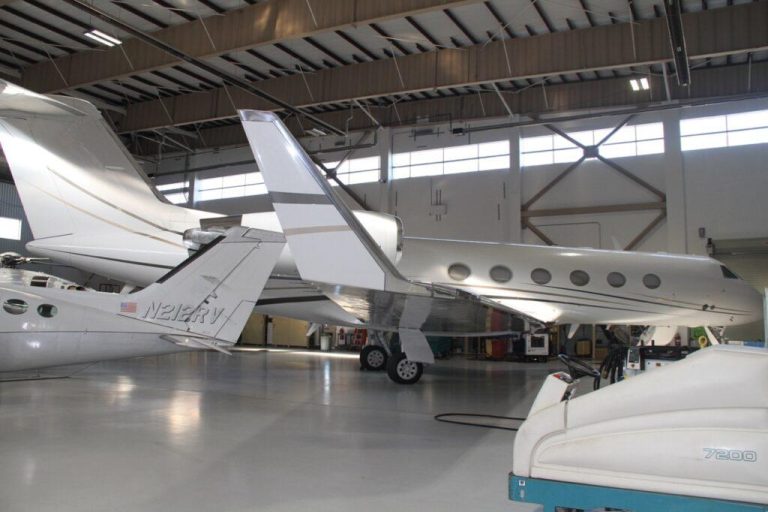
PrivateJetia Private Jet Fly 46
In the rapidly evolving world of aviation, artificial intelligence (AI) is making its mark, particularly in the realm of auto-piloting systems. While AI has already revolutionized many aspects of commercial aviation, its potential in the private jet sector is still in its early stages but promises to significantly enhance flight safety, efficiency, and overall passenger experience. AI-powered auto-piloting systems are poised to be the future of private aviation, reducing pilot workload, improving flight performance, and offering a glimpse into the future of air travel.
The Evolution of Auto-Piloting Systems in Aviation
Auto-pilots have long been a standard feature in commercial aviation. Early auto-pilots were rudimentary systems designed to assist pilots in maintaining altitude and heading, primarily reducing the strain of long-haul flights. Over time, advancements in flight control systems, sensor technologies, and navigation systems have made auto-pilots more sophisticated, allowing them to manage tasks such as route planning, altitude adjustments, and even landings.
However, despite these advances, traditional auto-pilots still require significant oversight and manual control by pilots. The next step in this evolution is the integration of AI-based systems capable of autonomously controlling all flight aspects, from takeoff to landing, without direct pilot intervention. This represents a significant leap toward fully autonomous flying, particularly in the private jet sector, where luxury, comfort, and efficiency are top priorities.
AI-Powered Auto-Piloting Systems: How They Work
AI-based auto-piloting systems differ significantly from traditional flight control systems in several key ways. Instead of relying on pre-programmed instructions and basic sensors, AI systems use machine learning algorithms to continuously process vast amounts of data from various sensors, weather reports, air traffic control systems, and real-time flight conditions. This allows the system to make real-time decisions based on predictive analytics, adjusting flight plans dynamically as conditions change.
AI-based auto-pilots can integrate a wide range of information, such as:
Weather patterns: AI systems can predict turbulence, storms, and other environmental factors, adjusting the flight path to ensure smooth and safe travel.
Air traffic management: AI can analyze real-time data from air traffic control to help avoid congestion, choose optimal routes, and maintain safe distances from other aircraft.
Flight performance optimization: AI systems continuously adjust flight parameters to ensure fuel efficiency, minimize wear on the aircraft, and ensure the best possible performance during the flight.
The primary advantage of these systems is their ability to make decisions based on real-time data rather than relying on a fixed set of instructions or human intervention. This dynamic decision-making capability significantly enhances the safety and efficiency of flight operations.
Advantages of AI-Based Auto-Piloting Systems for Private Jets
The integration of AI into private jet auto-pilots offers numerous benefits, enhancing the experience for both passengers and operators. These advantages range from increased safety to enhanced operational efficiency.
- Enhanced Safety and Risk Mitigation
One of the most compelling reasons for the adoption of AI-based auto-pilots in private aviation is the increased safety they offer. Traditional pilots rely on their experience, training, and judgment to navigate various challenges, but AI systems can process far more data and react faster than humans in many situations.
For example, in the event of a sudden weather change or an emergency, AI systems can rapidly adjust flight paths, notify passengers of changes, and even initiate emergency protocols without requiring direct human intervention. By processing data from a range of sensors and constantly monitoring the aircraft’s systems, AI can detect mechanical issues early, preventing accidents before they occur.
Moreover, AI-based systems have the potential to minimize pilot error, which is one of the leading causes of aviation incidents. With the ability to make instant, data-driven decisions, AI ensures that the aircraft follows the safest route and adheres to optimal procedures.
- Improved Flight Efficiency and Cost Savings
AI-powered auto-pilots also improve the efficiency of private jet flights. These systems can optimize the flight path by analyzing factors such as wind speed, fuel consumption, and air traffic, ensuring that the aircraft follows the most fuel-efficient route. Over long distances, this can lead to significant savings in fuel costs, making private aviation more affordable.
Additionally, AI systems can adjust in-flight parameters to ensure that the aircraft is operating at peak efficiency. This reduces wear and tear on the aircraft, extends its lifespan, and lowers maintenance costs. In the long run, these cost savings can be a major advantage for private jet owners and operators.
- Automation of Routine Tasks
AI-based auto-pilots relieve pilots of routine, repetitive tasks, allowing them to focus on more critical functions that require human judgment and expertise. Tasks such as adjusting altitude, monitoring systems, and fine-tuning flight paths can be automated, giving the pilot more time to manage complex situations and improve overall flight performance.
By automating these routine operations, AI systems reduce the workload on pilots and create a more streamlined flying experience. This is particularly beneficial in private jets, where passengers often expect a seamless and stress-free journey. With AI managing the flight’s routine tasks, pilots can focus on customer service, ensuring that the overall passenger experience remains luxurious and hassle-free.
- Personalization of the Passenger Experience
In private aviation, luxury is the primary selling point. AI-powered auto-pilots can further enhance the passenger experience by offering greater personalization. AI systems can adjust the flight’s speed, altitude, and flight path based on the preferences of the passengers, ensuring the smoothest ride possible.
For example, some passengers may prefer a faster route with minimal delays, while others may opt for a more scenic path. The AI system can adapt to these preferences in real-time, adjusting the flight plan to suit the needs and desires of the passengers. This level of personalization goes beyond simply providing comfort; it creates a customized experience that aligns perfectly with the expectations of private jet passengers.
Challenges and Concerns of AI-Based Auto-Piloting Systems
While the benefits of AI-powered auto-pilots are clear, there are still several challenges and concerns to address before these systems can be fully implemented on private jets.
- Regulatory and Safety Standards
One of the primary challenges in the adoption of AI-based auto-pilots is meeting regulatory standards. Aviation authorities such as the Federal Aviation Administration (FAA) and European Union Aviation Safety Agency (EASA) have stringent safety requirements for all flight systems, and the integration of AI into flight operations must adhere to these regulations.
The challenge lies in proving that AI-based systems are as safe, reliable, and effective as human pilots. This will require rigorous testing, validation, and certification processes to ensure that these systems meet the necessary standards. The regulatory framework for autonomous flight is still developing, and it may take several years before AI-powered auto-pilots are fully approved for commercial use.
- Public Perception and Trust
Another challenge is the public perception of autonomous flight systems. While AI has made significant strides in many industries, there is still some hesitance about trusting machines to take control of something as critical as a private jet. Passengers may feel uneasy about flying in an aircraft without a human pilot at the controls, even if the AI system is designed to enhance safety and performance.
To overcome this challenge, education and transparency will be key. Airlines and manufacturers must communicate the safety benefits of AI-powered systems, share data on their reliability, and provide passengers with the assurance that the technology is thoroughly tested and capable of ensuring a safe flight.
The Future of AI in Private Jet Aviation
Looking ahead, the future of AI-based auto-pilots in private aviation is bright. As AI technology continues to evolve, these systems will become increasingly sophisticated, capable of handling more complex flight operations and improving overall flight performance. Autonomous flights may become more common, offering a higher level of convenience and cost-effectiveness for passengers.
In addition, AI will likely be integrated with other cutting-edge technologies, such as electric propulsion systems and advanced navigation tools, creating an even more efficient and sustainable aviation industry. With continued innovation and investment, AI-powered auto-pilots could one day redefine the future of private jet travel, offering passengers an experience that is safer, more personalized, and more efficient than ever before.
Conclusion
AI-based auto-piloting systems represent the future of private jet aviation, offering a wide range of benefits, including enhanced safety, improved efficiency, and personalized passenger experiences. While challenges remain in terms of regulatory approval and public trust, the potential for AI to revolutionize private aviation is undeniable. As technology continues to advance, AI-powered auto-pilots are set to become a standard feature in private jets, making air travel more seamless, luxurious, and cost-effective for passengers.