


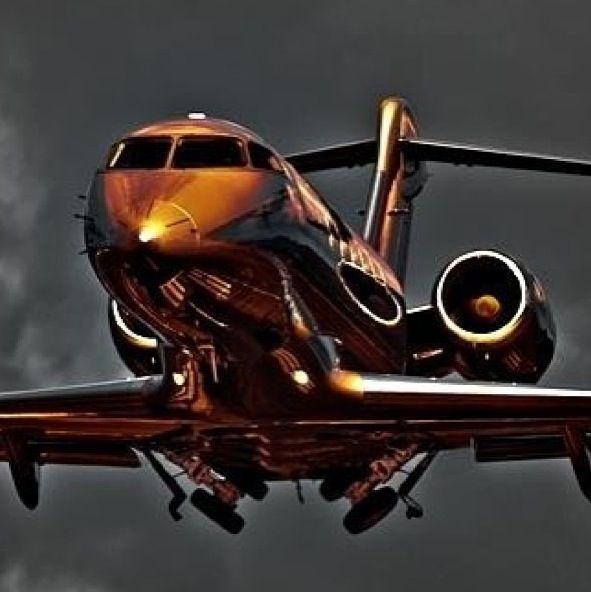
The aviation industry has always been at the forefront of technological advancements, continuously evolving to offer safer, faster, and more efficient ways of traveling. One of the most exciting and transformative trends in aviation is the rise of autonomous private jets. These self-piloting aircraft are poised to revolutionize the way the elite travel, offering unprecedented levels of convenience, safety, and luxury. As technology continues to evolve, autonomous private jets could become a staple in the aviation industry, changing the way passengers experience flight.
In this article, we will explore the future of autonomous private jets, examining the key technologies driving this change, the potential benefits and challenges, and how this innovation could reshape the aviation landscape. From artificial intelligence (AI) to automation and advanced safety systems, the future of autonomous private jets is filled with endless possibilities that could redefine the private aviation experience.
1. Understanding Autonomous Private Jets: What Are They?
Autonomous private jets, also known as self-piloting or pilotless jets, are aircraft that use advanced technologies to fly without human intervention. These jets are equipped with a range of sensors, artificial intelligence, machine learning algorithms, and automation systems that allow them to navigate, take off, cruise, and land independently. The goal is to create aircraft that can operate safely and efficiently, with minimal human oversight, while still providing passengers with the highest level of comfort and security.
The concept of autonomous private jets is not entirely new. For years, unmanned aerial vehicles (UAVs) and drones have been used for various purposes, from military operations to cargo transport. However, the idea of applying this technology to private jets, which require a much higher level of precision, safety, and regulatory compliance, is a more recent development.
2. Key Technologies Powering Autonomous Private Jets
The development of autonomous private jets is made possible by a combination of advanced technologies. These innovations are not only enhancing the safety and efficiency of flight but also improving the overall passenger experience. Let’s take a closer look at the key technologies driving the future of autonomous private jets:
- Artificial Intelligence (AI) and Machine Learning: AI and machine learning algorithms are at the core of autonomous private jets. These systems can analyze vast amounts of data from sensors, weather systems, air traffic control, and other sources to make real-time decisions about the flight path, altitude, and speed. AI allows the aircraft to adapt to changing conditions, such as turbulence or air traffic congestion, without human intervention. Machine learning also enables the aircraft to “learn” from past flights, improving its performance over time.
- Advanced Sensors and Radar Systems: Autonomous private jets rely on a wide array of sensors, including radar, LiDAR (Light Detection and Ranging), and optical sensors, to detect obstacles and navigate through the air. These sensors allow the aircraft to detect and avoid potential hazards, such as other aircraft, birds, or weather systems. With precise data on the aircraft’s surroundings, the autonomous system can make split-second decisions to ensure a safe flight.
- Autopilot and Flight Management Systems (FMS): Modern autopilot systems, combined with flight management systems, are essential components of autonomous private jets. These systems allow the aircraft to follow a pre-determined flight path, adjust altitude, speed, and course, and even respond to air traffic control instructions. While current autopilot systems require some level of human oversight, the future of these systems lies in complete autonomy, with AI taking over many of the tasks traditionally handled by human pilots.
- Connectivity and Data Sharing: Autonomous private jets will rely heavily on real-time data sharing and connectivity. 5G networks and satellite communications will enable seamless communication between the aircraft, ground control, and other aircraft in the vicinity. This constant flow of data ensures that the jet can make informed decisions about weather conditions, air traffic, and flight adjustments, all while keeping passengers connected to the internet and other services during the flight.
- Advanced Safety Features: Safety is one of the top priorities when it comes to autonomous flight. Autonomous private jets are being designed with multiple layers of safety features, including redundant systems for navigation, communication, and control. In the event of a system failure, backup systems can take over, ensuring that the flight continues safely. Additionally, autonomous jets will incorporate advanced collision avoidance systems and emergency landing protocols, providing an added level of security for passengers.
3. The Advantages of Autonomous Private Jets
The future of autonomous private jets holds numerous benefits, not only for the aviation industry but also for the passengers who use these aircraft. Here are some of the key advantages of autonomous private jets:
- Increased Safety: One of the primary benefits of autonomous private jets is the potential for increased safety. Human error is responsible for a significant percentage of aviation accidents, but with autonomous flight, the risk of human error is greatly reduced. AI systems can react to changing conditions faster than humans, ensuring that the aircraft remains on course and avoids potential hazards. Additionally, autonomous jets will be equipped with redundant systems, making them less vulnerable to single points of failure.
- Cost Savings: While the initial cost of developing autonomous private jets may be high, the long-term cost savings could be substantial. Autonomous jets will require fewer human pilots and crew members, reducing labor costs. They will also optimize fuel consumption, as AI systems can calculate the most efficient flight paths and speeds. With the ability to fly more direct routes and avoid congestion, autonomous private jets could reduce flight times and fuel costs, making private air travel more affordable in the long run.
- Enhanced Efficiency and Convenience: Autonomous private jets will offer a very uniqueed convenience and efficiency. Passengers will no longer need to deal with the complexities of flight planning or pilot schedules. The AI system can autonomously schedule and adjust flights based on passenger needs, weather conditions, and air traffic. Additionally, autonomous jets will enable faster turnaround times, as the aircraft can be ready to fly with minimal preparation. This means less waiting and more flexibility for the passenger.
- Environmental Impact: Autonomous private jets could also contribute to reducing the environmental impact of aviation. AI and machine learning algorithms can optimize flight paths, reducing unnecessary fuel consumption and emissions. By flying more direct routes and avoiding airspace congestion, autonomous jets could minimize their carbon footprint, making private air travel more sustainable.
4. Challenges and Concerns
Despite the numerous advantages, there are several challenges and concerns surrounding the development and deployment of autonomous private jets. These challenges must be addressed before autonomous jets can become a common sight in the skies:
- Regulatory Hurdles: One of the biggest challenges facing autonomous private jets is the regulatory environment. Aviation authorities around the world, such as the Federal Aviation Administration (FAA) and the European Union Aviation Safety Agency (EASA), will need to develop new rules and standards for autonomous flight. This includes establishing protocols for certification, airspace integration, and pilot training. Given the complexity and safety concerns surrounding autonomous flight, regulatory approval may take years to finalize.
- Public Perception and Trust: Public perception of autonomous aircraft will play a crucial role in the success of these technologies. Many passengers may be hesitant to fly in a plane without a human pilot, especially when it comes to private jets. Building trust in autonomous systems will require extensive testing, transparency, and education to ensure that passengers feel confident in the safety and reliability of the technology.
- Cybersecurity Risks: Autonomous private jets will rely heavily on advanced computer systems, sensors, and communication networks. This makes them vulnerable to cyberattacks, which could compromise the safety of the flight. To mitigate this risk, manufacturers and aviation authorities will need to implement robust cybersecurity measures, ensuring that autonomous jets are protected from hacking and other malicious threats.
5. The Future Outlook for Autonomous Private Jets
The future of autonomous private jets is undeniably exciting. As technology continues to advance, the dream of fully autonomous flight is becoming closer to reality. In the coming years, we can expect to see increased investment in autonomous flight technology, with more prototypes and testing taking place. Airlines and private jet companies will begin to explore the possibilities of incorporating autonomous systems into their fleets, offering a glimpse into the future of air travel.
While we are still several years away from widespread use of autonomous private jets, the rapid pace of innovation in the aviation sector suggests that the future of autonomous flight is bright. As AI, automation, and safety systems continue to improve, autonomous private jets will become a more viable and attractive option for high-net-worth individuals and business travelers looking for a faster, safer, and more efficient way to travel.
Conclusion
The future of autonomous private jets is an exciting and transformative one, promising to revolutionize the way we think about air travel. From enhanced safety and efficiency to cost savings and environmental benefits, autonomous private jets hold the potential to redefine the private aviation industry. However, challenges such as regulatory hurdles, public perception, and cybersecurity concerns must be addressed before these jets become a common sight in the skies. With continued advancements in technology and increased investment in autonomous flight systems, the future of private jet travel is on the verge of a major transformation, paving the way for a new era of air travel that is faster, safer, and more convenient than ever before.


