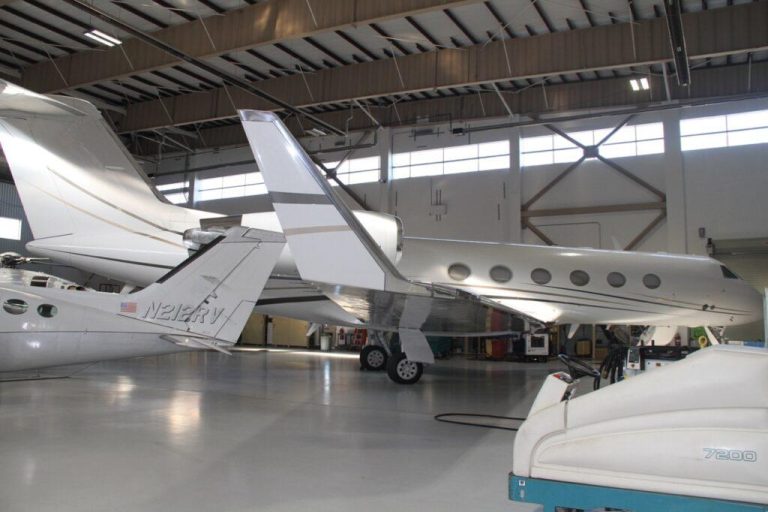
PrivateJetia Private Jet Fly 22
In the interconnected world of international relations, where global diplomacy plays a critical role in shaping political landscapes and addressing global challenges, the mobility of leaders and diplomats has become more vital than ever. The need for rapid and flexible travel is paramount for heads of state, foreign ministers, and other key decision-makers involved in international negotiations and peace efforts. Private jets, once considered a luxury for the ultra-wealthy, have emerged as an essential tool in facilitating diplomacy at the highest level.
World leaders, diplomats, and high-ranking government officials rely on private jets to enable them to navigate the complexities of modern diplomacy. From attending international summits and participating in high-stakes negotiations to responding quickly to unforeseen crises, private jets offer a unique set of advantages that are crucial to maintaining effective global relations. In this article, we explore the importance of private jets in global diplomacy and why they have become indispensable assets for leaders around the world.
Convenience and Efficiency in Global Diplomacy
Time is one of the most valuable resources in the world of diplomacy. International negotiations and political discussions often require flexibility and rapid responses, and the efficiency of travel plays a key role in ensuring that diplomats can meet the demands of their work. Traditional commercial flights, with their rigid schedules and long lines for security checks, can hinder the timely travel required for urgent diplomatic missions. This is where private jets offer a distinct advantage.
Private jets allow leaders and diplomats to bypass the restrictions and inconveniences associated with commercial air travel. With the flexibility to adjust departure times, change itineraries, or respond to last-minute developments, private jets provide a level of control over travel schedules that commercial airlines simply cannot match. Heads of state can schedule flights to fit their demanding agendas, ensuring they arrive at the right time and place for crucial diplomatic engagements.
Additionally, private jets provide direct flight routes, saving valuable time by eliminating layovers and unnecessary stopovers. This efficiency is particularly important when attending international summits or traveling between countries with varying time zones. By minimizing travel time, private jets allow world leaders to focus on the critical matters at hand, whether it is conducting bilateral talks, signing treaties, or addressing emergency diplomatic situations.
Security and Confidentiality
Security is paramount for leaders and diplomats traveling internationally. Given the sensitive nature of their roles, the risk of threats or attacks can never be discounted. Private jets provide a high level of security that is essential for protecting the safety of key political figures during their travels. From enhanced in-flight security measures to discreet airport procedures, private jets offer a level of protection that is difficult to achieve with commercial airlines.
One of the key advantages of private jets is the ability to tailor security arrangements to meet the specific needs of the passengers. Heads of state and diplomats can ensure that their flights are protected by a dedicated security team, equipped with the latest technology and resources to handle any potential risks. These teams are often on the ground and in the air, monitoring the situation at all times, ensuring a high level of vigilance throughout the journey.
Moreover, the confidentiality of private jets allows diplomats to engage in private, off-the-record conversations without the risk of eavesdropping. Commercial airliners are often filled with passengers, making it difficult to hold confidential discussions. On a private jet, leaders can hold critical meetings, discuss sensitive matters, and make decisions in complete privacy. This level of discretion is invaluable for diplomacy, where trust and confidentiality are essential to maintaining strong international relationships.
Flexibility for Diplomatic Engagements
Diplomacy often involves unpredictability, with sudden changes in schedules, locations, or international priorities. A leader may need to attend an unscheduled meeting or respond urgently to an evolving crisis. In such scenarios, flexibility is key. Private jets provide the agility that diplomatic engagements require, enabling leaders to adjust their travel plans at a moment’s notice.
Unlike commercial flights, private jets offer the ability to reschedule or reroute flights with little notice. Should a diplomatic situation demand immediate attention, world leaders can board a private jet and alter their travel plans quickly to respond to the crisis at hand. Whether it’s a high-level peace negotiation, a natural disaster, or an emergency security situation, private jets allow diplomats to maintain the flexibility necessary for global diplomacy.
Additionally, private jets are not restricted by commercial airline schedules, which means that diplomatic missions are no longer limited by fixed flight times. Private jets offer greater access to a broader range of airports, including smaller regional airports, where commercial flights may not be available. This flexibility allows diplomats to travel closer to their destination and avoid the delays and challenges that often come with commercial travel.
Comfort and Productivity in Transit
Long-distance international travel can be exhausting, especially for leaders who need to remain alert and productive throughout their journey. The comfort and convenience of private jets allow leaders to maximize their time in transit, whether it’s for rest, reflection, or preparation for an important diplomatic engagement.
Unlike commercial flights, where passengers must contend with cramped seating and limited amenities, private jets are designed with comfort in mind. The cabins are spacious and equipped with luxurious seating, beds, and private spaces where leaders can work or relax as needed. In addition to providing an environment conducive to rest, private jets are equipped with modern technology that allows diplomats to stay connected and productive during their journey.
Leaders can use their travel time to hold in-flight meetings, review briefing documents, or participate in secure video conferences. Private jets also offer high-speed internet access and secure communication channels, ensuring that diplomats can stay in touch with their teams and continue their work even while in the air. This level of productivity is essential when attending international meetings where preparation and quick decision-making are critical.
Facilitating Diplomatic Relations and Building Trust
The ability to travel in private jets also plays a significant role in fostering diplomatic relations and building trust between nations. Diplomatic missions often require personal interactions and informal exchanges, which can be facilitated in the private setting of a jet cabin. In fact, some of the most significant breakthroughs in international diplomacy have occurred during private, off-the-record conversations between world leaders during their flights.
Private jets offer an ideal environment for leaders to engage in candid, confidential discussions without the pressure of formal diplomatic settings. The intimacy and privacy of a private jet allow leaders to discuss sensitive issues, explore potential areas of cooperation, and find common ground on contentious matters. These informal discussions, away from the public eye, often lay the groundwork for more formal agreements and negotiations.
Moreover, the act of sharing a flight on a private jet can be seen as a gesture of goodwill, signaling mutual respect and cooperation between nations. Traveling together in a private jet can serve as a symbol of partnership, and the time spent in close quarters can help strengthen the bond between leaders. These shared experiences play a vital role in building trust and understanding, which are fundamental to successful diplomacy.
Rapid Response to Global Crises
The ability to respond quickly to international crises is one of the most crucial aspects of global diplomacy. Whether it’s a political upheaval, an act of terrorism, or a natural disaster, the ability to travel swiftly and efficiently to the site of a crisis can make all the difference in how effectively a leader can manage the situation.
Private jets are invaluable in these situations because they allow for immediate takeoff and direct flights to crisis zones. Leaders can board a private jet at a moment’s notice, without the need for commercial flight booking, security checks, or delays. This rapid response capability is essential for ensuring that world leaders are on the ground as quickly as possible to assess the situation, provide support, and engage in diplomatic efforts to resolve the crisis.
Furthermore, private jets offer an added layer of security during times of crisis. Leaders can travel discreetly, avoiding potential threats and ensuring their safety while en route to high-risk areas. In the face of urgent diplomatic challenges, private jets provide the rapid response and security necessary for effective leadership.
Environmental Considerations
While the importance of private jets in global diplomacy is clear, there are growing concerns about the environmental impact of private aviation. The carbon footprint of private jets is significantly higher than that of commercial flights, leading to criticism from environmental advocates. The environmental impact of private jet travel has become an important consideration for many world leaders, especially in light of international efforts to combat climate change.
To address these concerns, the private aviation industry has been exploring more sustainable options, including the use of sustainable aviation fuels (SAFs) and advancements in electric and hybrid jet technologies. These innovations aim to reduce the environmental impact of private jet travel while maintaining the high standards of efficiency, comfort, and security required by world leaders.
In addition, many private jet operators are implementing carbon offset programs, where the emissions from flights are compensated by funding environmental projects that reduce carbon emissions. These efforts are part of a broader initiative to make private aviation more environmentally friendly and ensure that it remains a viable option for global diplomacy in the future.
Conclusion
Private jets have become an indispensable tool in the world of global diplomacy. By providing leaders and diplomats with the flexibility, security, and efficiency they need to respond to urgent situations and maintain productive international relations, private jets play a central role in shaping the success of diplomatic efforts. From facilitating face-to-face engagements and building trust to enabling rapid responses to crises, private jets have transformed the way world leaders travel and conduct diplomacy.
As the demands of international relations continue to evolve, private jets will remain a crucial asset in the diplomatic toolbox. Their ability to provide a very uniqueed convenience, privacy, and flexibility makes them an essential component of global diplomacy, ensuring that leaders can navigate the complexities of the modern world with confidence and agility.