


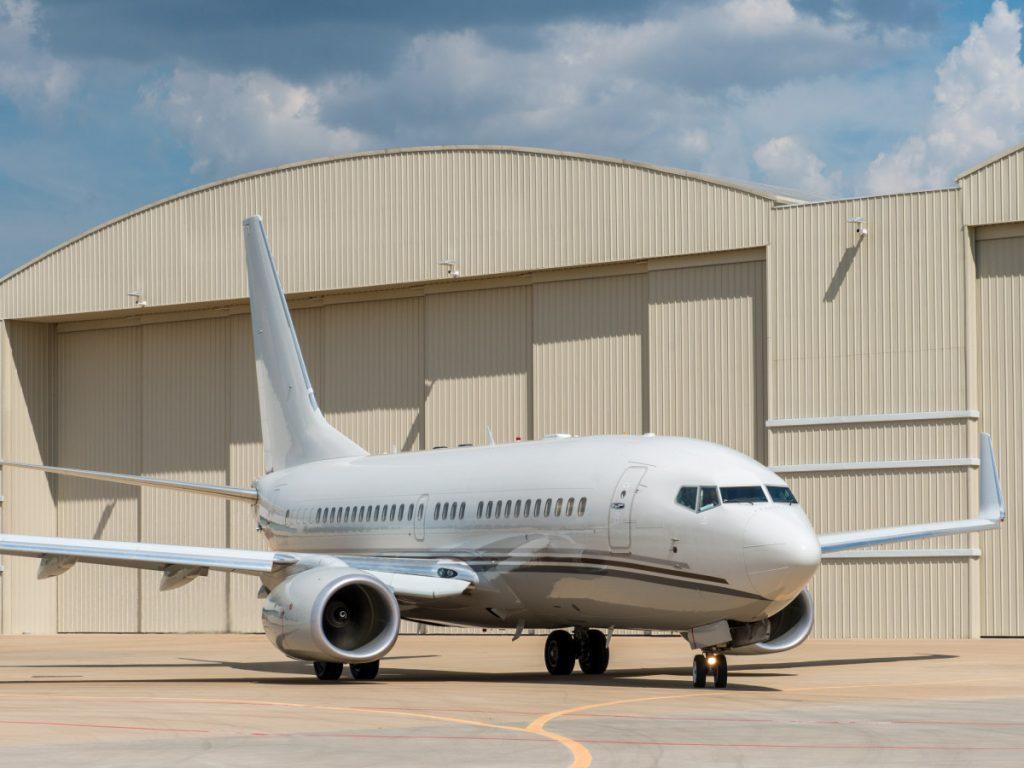
The private jet industry has long been synonymous with luxury, exclusivity, and speed. But as the world continues to evolve, so does the demand for a more sophisticated, sustainable, and personalized aviation experience. With technological advancements, changes in passenger expectations, and the increasing need for sustainability, the private jet industry is undergoing a significant transformation. This article will explore the key trends shaping the future of private jet travel, from innovations in aircraft design to new business models and the growing importance of sustainability. As these trends gain momentum, they are set to redefine the way we think about private air travel in the years to come.
- Sustainable Aviation: The Green Future of Private Jets
Sustainability is one of the most pressing issues facing the global aviation industry, and private jets are no exception. While private jet travel has often been criticized for its environmental impact, there is a growing push toward greener alternatives. The industry is embracing a variety of innovative solutions to reduce carbon emissions and create a more eco-friendly travel experience.
Sustainable Aviation Fuel (SAF)
Sustainable Aviation Fuel (SAF) is one of the most promising developments in the pursuit of greener private aviation. SAF is produced from renewable resources such as algae, plant oils, and waste materials, offering a cleaner alternative to conventional jet fuel. When used in place of traditional fuel, SAF can reduce carbon emissions by up to 80%, making it a key component of the industry’s sustainability efforts.
The adoption of SAF in private jet fleets is expected to grow significantly in the coming years, driven by advancements in production technology, increased availability, and lower costs. Major private jet operators are already incorporating SAF into their operations, and as more fuel providers enter the market, SAF will become an increasingly viable option for private jet owners and operators.
Electric and Hybrid Aircraft
The development of electric and hybrid aircraft is another exciting trend that could revolutionize the private jet industry. While fully electric aircraft are still in the early stages of development, progress is being made toward creating planes that are capable of flying short distances without using traditional jet fuel. Electric aircraft are quieter, more energy-efficient, and emit zero emissions, making them an ideal choice for eco-conscious travelers.
Hybrid aircraft, which combine traditional jet engines with electric propulsion, offer a practical solution for longer flights. By reducing the reliance on fossil fuels and incorporating electric power for certain aspects of flight, hybrid aircraft can significantly reduce fuel consumption and emissions. These hybrid models are expected to play a critical role in the future of private aviation, providing a greener and more sustainable alternative for both short and long-haul flights.
Carbon Offsetting and Net-Zero Goals
As part of the broader sustainability movement, private jet operators are increasingly focusing on carbon offsetting programs. These programs allow passengers to offset the carbon emissions generated by their flights by investing in projects that help reduce or capture carbon, such as renewable energy initiatives or reforestation programs.
In addition to offsetting emissions, many private jet companies are setting ambitious net-zero goals. These companies are committing to achieving carbon neutrality by investing in sustainable practices, reducing emissions, and incorporating green technologies into their fleets. The shift toward net-zero emissions is becoming a priority for private aviation companies as they respond to growing environmental concerns and the demand for more sustainable travel options.
- Technological Innovations: The Future of Aviation
The private jet industry is no stranger to technological advancements, and the next decade promises even more exciting innovations. From supersonic jets to autonomous aircraft, new technologies are set to reshape the way private jets operate and the overall flying experience.
Supersonic Jets: Faster Than Ever
Supersonic jets are making a comeback, and the next generation of supersonic aircraft promises to revolutionize private jet travel by dramatically reducing flight times. Supersonic jets can fly at speeds greater than Mach 2, or twice the speed of sound, cutting travel time in half compared to conventional jets. For example, a flight from New York to London that typically takes 7-8 hours could be completed in just 3-4 hours with a supersonic jet.
Several companies are already working on developing supersonic aircraft, and advancements in technology are helping to make these jets more efficient and affordable. However, one of the biggest challenges facing the development of supersonic jets is the noise generated by the sonic boom, which can be disruptive to communities near airports. Engineers are working on solutions to mitigate the impact of sonic booms, such as designing quieter supersonic engines and improving aerodynamics to reduce noise levels.
Autonomous Aircraft: The Future of Pilotless Jets
Autonomous aircraft, or pilotless jets, are another technological development that could shape the future of private aviation. Thanks to advancements in artificial intelligence, machine learning, and automation, we are on the verge of seeing private jets operate without human pilots. These aircraft will be equipped with AI-powered systems capable of managing all aspects of flight, including navigation, communication, and even emergency situations.
While autonomous aircraft are still in the experimental phase, the potential benefits of this technology are enormous. Eliminating the need for pilots could reduce operational costs, improve flight safety, and increase efficiency. AI-driven systems will also be able to optimize flight paths, reduce fuel consumption, and minimize delays, leading to a more streamlined and cost-effective travel experience.
In-Flight Connectivity: Always Connected
As passengers become more reliant on staying connected while traveling, in-flight connectivity is becoming an essential part of the private jet experience. New satellite-based internet systems are making it possible to provide high-speed internet access to passengers, even in remote locations.
In the coming years, we can expect to see faster and more reliable in-flight connectivity as 5G networks and advanced satellite systems are integrated into private jets. This will allow passengers to work, stream media, and stay in touch with loved ones without interruptions. The growing demand for seamless connectivity will push the industry to adopt the latest technologies to ensure that passengers can stay connected at all times, no matter where they are flying.
- Enhanced Passenger Experience: The Future of Luxury Travel
Private jet travel has always been associated with luxury, but in the future, the experience will become even more personalized, comfortable, and seamless. As competition grows in the private aviation sector, operators are focusing on providing a truly bespoke travel experience that caters to the unique needs and desires of each passenger.
Smart Cabins: Personalized Comfort at Your Fingertips
The private jet cabin of the future will be a highly personalized environment, equipped with smart technology that allows passengers to control virtually every aspect of their journey. Passengers will be able to adjust lighting, temperature, seating arrangements, and entertainment options using voice commands or mobile apps, creating a customized in-flight experience that suits their preferences.
Smart cabins will also be equipped with advanced features like noise-canceling technology, mood lighting, and ergonomic seating to enhance passenger comfort. Whether travelers are looking for a quiet space to relax, a professional environment to work, or a lively atmosphere to socialize, the cabin will adapt to their needs in real-time.
Health and Wellness Focus
With an increasing focus on health and wellness, private jets will be designed with passenger well-being in mind. Long-haul flights can be physically draining, but the future of private aviation will focus on creating cabins that promote relaxation, rest, and overall health.
Air filtration systems will ensure a steady supply of clean air, reducing the spread of germs and allergens. Seats will be designed for optimal comfort, with adjustable features that promote good posture and reduce fatigue. Additionally, in-flight fitness programs and wellness features, such as massage chairs and relaxation zones, will become more common, allowing passengers to stay active and rejuvenated while in the air.
Seamless Check-in and Boarding
The future of private jet travel will also focus on streamlining the airport experience. With more efficient security processes, passengers will experience quicker and more seamless check-in and boarding procedures. Biometrics, such as facial recognition and fingerprint scanning, will replace traditional security checks, allowing passengers to board their flights with minimal delay.
In addition, the use of private terminals and lounges will offer a more exclusive and comfortable pre-flight experience. Passengers will enjoy luxurious amenities, including gourmet dining, spa treatments, and private meeting spaces, before they board their flights.
- The Rise of On-Demand and Subscription-Based Services
One of the key trends shaping the future of the private jet industry is the rise of on-demand and subscription-based services. Traditionally, private jet ownership has been limited to the ultra-wealthy, but new business models are making private aviation more accessible to a broader range of travelers.
Fractional Ownership and Jet Cards
Fractional ownership and jet card programs are changing the way people use private jets. Fractional ownership allows individuals to purchase a share in an aircraft, giving them access to private jets without the full financial commitment of ownership. Jet card programs, on the other hand, allow passengers to pre-purchase flight hours, providing flexibility and convenience without the long-term commitment.
Both of these models allow people to enjoy the benefits of private jet travel without the high costs and responsibilities associated with full ownership. As these programs continue to evolve, they will become more accessible to business executives, entrepreneurs, and affluent travelers looking for a more flexible way to fly.
On-Demand Services: Book a Jet When You Need It
On-demand private jet services are another growing trend. These services allow passengers to book flights as needed, with no long-term commitment or upfront costs. Companies like NetJets and VistaJet offer on-demand flight bookings, allowing travelers to fly privately without the need for ownership or subscription.
On-demand services will continue to grow in popularity as more people seek the convenience and flexibility of private air travel without the hassle of booking commercial flights or committing to expensive ownership contracts. These services will allow travelers to book a private jet with just a few clicks, offering an easy and seamless experience for those who need to travel at a moment’s notice.
Conclusion
The future of the private jet industry is full of exciting possibilities. From sustainable aviation and technological innovations to enhanced passenger experiences and new business models, the industry is evolving rapidly. As the demand for luxury, convenience, and sustainability grows, private aviation will continue to adapt and innovate to meet the needs of its passengers. With the trends outlined in this article, it’s clear that private jet travel is entering a new era, one that promises to make air travel faster, greener, and more personalized than ever before.


