When considering the purchase of a private jet, it’s essential to have a strategic approach to ensure you’re making the best decision possible. The process can be complex and overwhelming without the proper knowledge, but with the right guidance, you can make an informed, confident purchase that aligns with your needs and lifestyle. This guide will provide you with top tips for success to help you navigate the private jet market like a pro.
Tip #1: Understand Your Flight Needs
Before diving into the private jet market, it’s critical to assess your personal or business flight needs. This step will guide all your decisions, from aircraft size to maintenance requirements. Here’s what to consider:
- Flight Range: Do you typically fly short distances or long-haul flights? A jet’s range will determine how far it can fly without needing to refuel, which is a crucial factor in your purchase decision.
- Passenger Capacity: Will you often travel alone, with a partner, or with a large group? Determine how many people you plan to accommodate regularly, as jets come in various sizes from light jets to heavy jets.
- Budget: Think beyond the purchase price and factor in operational costs, including maintenance, fuel, insurance, and storage fees.
Tip #2: Research Different Types of Jets
Not all jets are created equal, so it’s important to research various types based on your travel needs and preferences. Here are the primary jet categories to understand:
- Very Light Jets (VLJs): These are small, efficient jets with seating for 4-6 passengers. They are best suited for short regional flights (e.g., Cessna Citation Mustang).
- Light Jets: Offering more comfort and longer ranges, these jets accommodate 6-8 passengers and are ideal for both business and leisure travel (e.g., Embraer Phenom 300).
- Midsize Jets: Midsize jets provide greater comfort and range for longer flights, typically seating 7-9 passengers (e.g., Hawker 800XP).
- Heavy Jets: These jets are built for intercontinental flights and offer spacious cabins and luxurious amenities (e.g., Gulfstream G650).
- Ultra-Long-Range Jets: Designed for the longest distances with seating for 10-18 passengers, these jets offer maximum comfort and convenience (e.g., Bombardier Global 7500).
Tip #3: Budget for the True Cost of Ownership
While the purchase price of the jet is the most obvious cost, there are many additional costs associated with ownership that need to be factored in:
- Maintenance and Repairs: Regular maintenance is essential to keep your jet in top condition and to comply with aviation regulations.
- Fuel: Jets consume a significant amount of fuel, and prices fluctuate depending on your aircraft size and where you’re flying.
- Insurance: Aircraft insurance is required, and premiums depend on the value of the jet, its age, and how often it’s used.
- Crew Costs: Hiring pilots and other staff, if necessary, is a recurring cost to keep the jet operational.
- Storage Fees: Whether in a private hangar or at an airport, you’ll need to pay storage fees for your jet.
Tip #4: Inspect Before You Buy
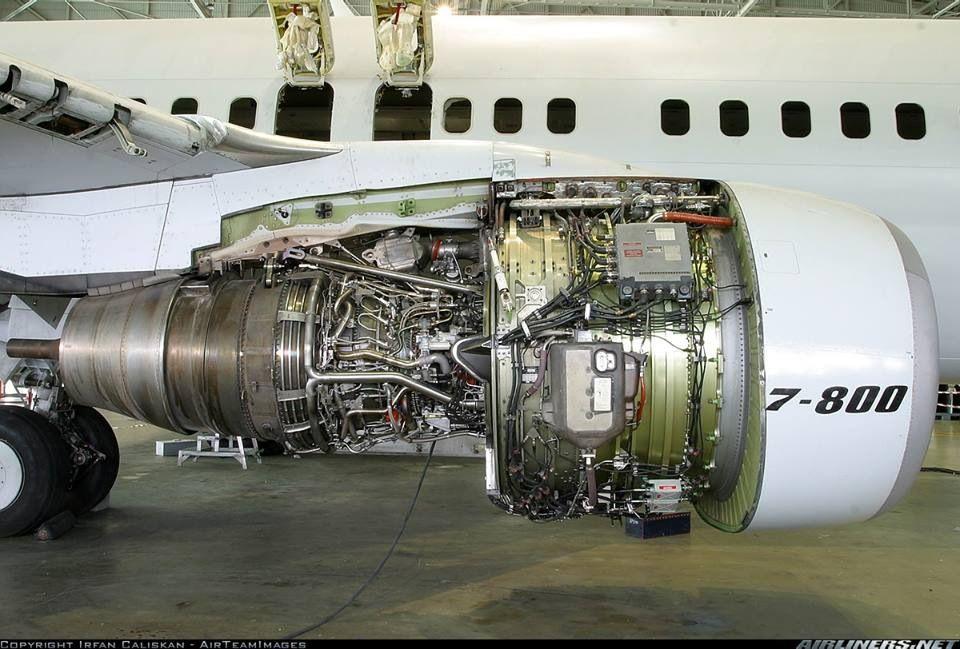
This tip cannot be stressed enough, always inspect the jet before making a final purchase. Even if the aircraft looks flawless from the outside, a detailed inspection will uncover any underlying issues that could be costly down the line.
- Pre-Purchase Inspection: Hire a certified aircraft inspector to conduct a thorough examination of the jet’s structure, avionics, and engine condition.
- Maintenance History: Request the jet’s complete maintenance history to ensure that it has been properly serviced and repaired when needed.
- Flight Logs: Review the aircraft’s flight hours, prior accidents, and maintenance records to ensure its safety and reliability.
Tip #5: Work with an Aviation Consultant
Navigating the private jet market can be challenging, especially for first-time buyers. Working with an aviation consultant can provide invaluable expertise and guidance throughout the purchasing process.
- Market Expertise: Aviation consultants have in-depth knowledge of the market and can help you find the best jets based on your needs.
- Negotiation Skills: Consultants are experienced negotiators who can help secure a fair price and favorable terms for the purchase.
- Regulatory Compliance: They can also ensure that all legal and regulatory requirements are met throughout the transaction process.
Tip #6: Consider the Resale Value
While you may be purchasing the jet for long-term use, it’s wise to consider its resale value as well. Some jets retain their value better than others, and certain models are more desirable in the used aircraft market.
- Depreciation: Just like cars, jets depreciate over time. However, some aircrafts hold their value better than others. Research market trends to understand which jets have historically retained value.
- Future Demand: Jets from well-established brands with excellent reputations, such as Gulfstream, Bombardier, and Dassault, typically maintain higher resale values.
Tip #7: Secure Financing or Leasing Options
Buying a jet outright may not be feasible for everyone. Fortunately, there are various financing and leasing options available.
- Loans: Many financial institutions offer loans specifically designed for purchasing aircraft, allowing you to spread out the cost over time.
- Leasing: For buyers looking for flexibility, leasing may be a good option. This allows you to pay for the use of a jet without committing to full ownership.
- Fractional Ownership: This option allows you to buy a share in a jet and access its use without bearing the full cost of ownership.
Tip #8: Understand the Tax Implications
Owning a private jet comes with potential tax benefits and liabilities that should be fully understood before purchasing.
- Tax Deductions: In some cases, you may be eligible for tax deductions, particularly if the jet is used for business purposes. Consult with a tax advisor to explore your options.
- Sales Tax: Some regions require a sales tax on aircraft purchases. Be sure to factor this into your budget.
Tip #9: Negotiate Terms and Finalize the Deal
Once you’ve done your research and selected a jet, it’s time to negotiate the terms of the sale. Here’s what you should focus on:
- Price Negotiation: Don’t be afraid to negotiate the price, especially if you’re buying a pre-owned jet. Aviation consultants can help you in this area.
- Contract Details: Ensure that the contract includes all necessary details, including warranty terms, delivery times, and any contingencies.
Tip #10: Enjoy Your New Private Jet
Once you’ve finalized the purchase, it’s time to take full advantage of your new private jet! Whether you’re flying for business or leisure, private jet ownership offers a level of convenience and luxury that’s hard to beat.
Conclusion
Purchasing a private jet requires careful planning, research, and decision-making. By following these top tips for success, you’ll be well-equipped to make an informed, confident purchase that aligns with your goals. Whether you’re a seasoned buyer or a first-time owner, these tips will help you navigate the process with ease, ensuring a successful and rewarding private jet ownership experience.