


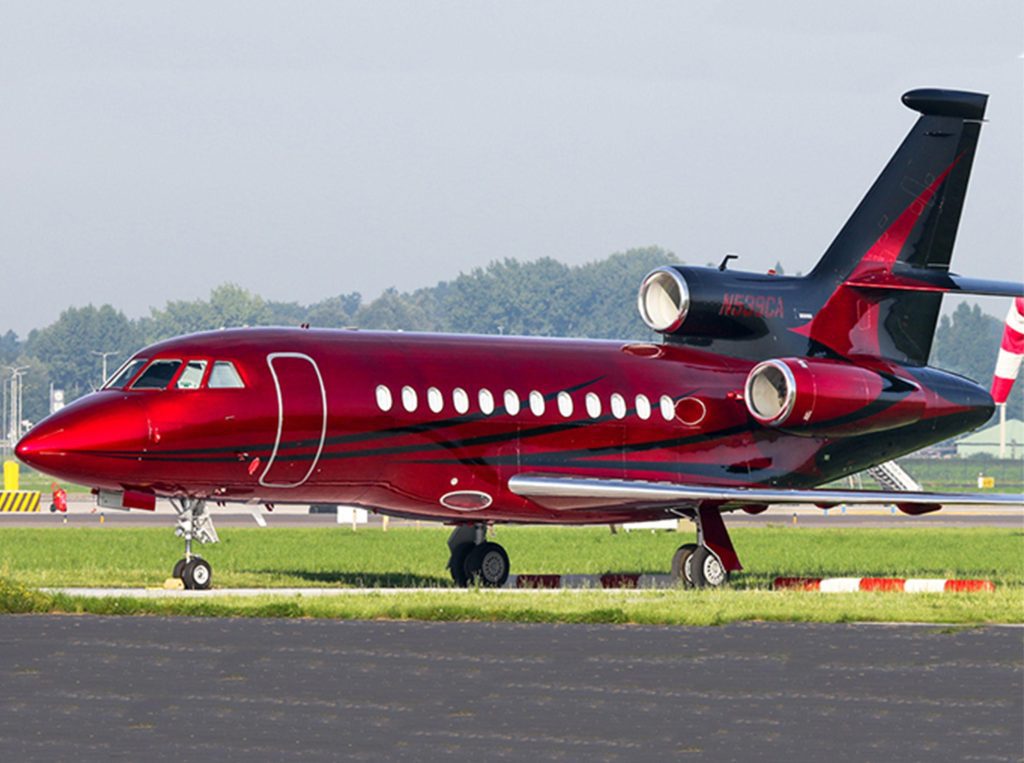
For elite investors, private jet investments are not just about indulging in luxury, they’re strategic assets that can deliver both personal and professional returns. Owning a private jet can provide unmatched convenience, flexibility, and the freedom to travel on your terms. But navigating the world of private aviation is complex, requiring savvy strategies, financial foresight, and insider knowledge to make the most of your investment.
In this comprehensive guide, we’ll explore the creative tactics and insider strategies that can help you make smart, profitable decisions when acquiring a private jet. Whether you’re a seasoned investor or a first-time buyer, these tips will help you get the most out of your investment, ensuring it’s not only a luxury but also a valuable asset.
Step 1: Define Your Investment Objectives
Before making any major investment, especially in private aviation, it’s essential to clearly define your objectives. What do you hope to gain from owning a private jet? Is it purely a personal indulgence, or is there an investment strategy at play?
Personal Convenience vs. Business Efficiency
If the primary goal is to enhance personal convenience, focus on factors like cabin comfort, range, and the ability to travel quickly and privately. However, if you’re purchasing a jet for business purposes, efficiency, operating costs, and the ability to move executives or clients quickly should be prioritized.
Tax Benefits and Depreciation
Private jet investments can also be a tax-saving strategy if the jet is used for business purposes. Depreciation on the aircraft can reduce your taxable income, and certain operating expenses may be tax-deductible. Understanding these financial benefits is key to ensuring that the jet becomes a valuable investment beyond its upfront costs.
Resale Potential
Even the luxury aircraft market has resale value. Some models retain their value better than others, and certain limited-edition jets or models from high-end manufacturers may appreciate over time. When selecting a jet, consider its future resale potential, this can play a significant role in the return on investment.
Step 2: Choose the Right Aircraft
The next critical decision is choosing the right aircraft for your needs and investment goals. The private jet market offers a range of aircraft types, from light jets to ultra-long-range luxury jets. Here’s how to creatively approach your choice:
Long-Range Jets for Global Business Use
For global travel, a long-range jet like the Gulfstream G700, Bombardier Global 7500, or Dassault Falcon 8X is ideal. These jets offer luxury amenities, advanced technology, and the ability to fly nonstop for up to 7,000 nautical miles. Investing in a high-performance jet can significantly enhance your global business operations by allowing quick access to international markets.
Midsize Jets for Efficiency and Comfort
If your business or personal trips are more regional, consider a midsize jet such as the Bombardier Challenger 350 or Cessna Citation Latitude. These jets offer a great balance of cost-efficiency, comfort, and performance for shorter flights. They are also ideal for regional business hubs and smaller airports that larger jets cannot access.
Light Jets for Cost-Effective Solutions
For investors looking for a more cost-effective solution, a light jet like the Embraer Phenom 300 or HondaJet offers great value while still delivering high-performance capabilities. These jets are perfect for short, frequent trips with a smaller group of passengers, reducing operational costs while still providing the benefits of private travel.
Pre-Owned Aircraft for Strategic Savings
The pre-owned jet market offers significant savings, allowing investors to acquire a high-quality aircraft at a fraction of the price of a new one. However, due diligence is essential when buying used. Look for aircraft that have low flight hours, a well-maintained service history, and models that are in high demand. Be mindful of any upcoming maintenance that may incur additional costs.
Step 3: Maximize Financing and Ownership Options
Creative financing and ownership strategies are essential when acquiring a private jet. Several options can help you minimize upfront costs while still maintaining full control over the aircraft. Consider the following approaches:
Outright Purchase
The most straightforward option is an outright purchase, where you pay the full purchase price up front. This is a good option for those who have sufficient capital and want to avoid interest costs. However, this method ties up a significant portion of your liquid assets, and ongoing expenses such as maintenance, fuel, and staffing must be accounted for.
Leasing
Leasing is a flexible option that allows you to avoid the large upfront costs of an outright purchase while still having access to a private jet. There are different types of leases:
Dry lease: You are responsible for operating costs, including fuel, maintenance, and insurance.
Wet lease: The leasing company provides the aircraft along with the crew and maintenance services.
Leasing is ideal for those who require a private jet only part-time, reducing the overall cost of ownership. Leasing can also be structured as a long-term solution for business owners who need a jet but want to maintain capital flexibility.
Fractional Ownership
If you don’t need full-time access to a jet, fractional ownership allows you to buy a share in an aircraft. Typically, fractional ownership offers access to around 50–800 hours of flight time per year, depending on the share size. This option is perfect for those who want to share the cost of ownership with other investors but still enjoy the benefits of private aviation.
Aircraft Loans
For those who prefer financing their purchase, specialized aviation loans are available. These loans typically have longer repayment periods than traditional loans and can offer tax benefits if the aircraft is used for business purposes. Many lenders will consider the aircraft’s value as collateral, which can make securing a loan easier.
Step 4: Leverage Aircraft Management Services
A professional aircraft management service is a must for any private jet investor looking to maximize their asset’s value and minimize hassle. These services handle everything from flight scheduling and crew management to maintenance and compliance. Here’s how aircraft management can benefit your investment:
Maximized Efficiency
Aircraft management companies ensure that your jet is operating at maximum efficiency. They handle maintenance scheduling to ensure that your jet is always in top condition, reducing the chances of unexpected downtime or expensive repairs. This ensures that your jet remains a reliable asset that delivers on its promise of convenience and efficiency.
Crew Management
Hiring and managing flight crews can be time-consuming and costly. Aircraft management services take care of everything, from recruiting pilots and cabin staff to ensuring that they are trained, certified, and compliant with aviation regulations. This allows you to focus on using your jet rather than managing day-to-day operations.
Cost Optimization
A good management company helps optimize operational costs by streamlining fuel purchases, leveraging their industry connections for competitive rates, and ensuring efficient flight operations. Additionally, they can help navigate tax regulations, ensuring that you take full advantage of any potential deductions for business use.
Step 5: Understand Depreciation and Resale Value
One of the often-overlooked aspects of private jet ownership is the depreciation of the asset. Like any luxury item, jets lose value over time, but some models retain their worth better than others. Here’s how to make depreciation work for you:
Depreciation for Tax Benefits
For business owners, depreciation offers a key tax advantage. The IRS allows for accelerated depreciation on business jets, meaning you can write off a significant portion of the jet’s value in the first few years. This can lead to substantial tax savings that help offset the upfront costs.
Resale Value Considerations
When selecting a jet, consider its future resale value. Some models, especially those from renowned manufacturers like Gulfstream and Bombardier, retain their value better than others. Models with low flight hours, limited production runs, and in-demand features are more likely to maintain a high resale value.
Upgrades and Customizations
Adding luxury upgrades and customizations to your jet can increase its appeal when it comes time to sell. Modernizing the interior with the latest technology, new seats, or enhanced amenities can make your aircraft more attractive to potential buyers, increasing its resale value.
Step 6: Protect Your Investment with Proper Maintenance and Insurance
To protect your private jet investment, it’s crucial to establish a comprehensive maintenance and insurance plan. A well-maintained aircraft holds its value longer, and proper insurance ensures that your investment is covered in case of accidents or other unforeseen events.
Regular Maintenance
Make sure that your jet is regularly inspected, serviced, and upgraded. Establishing a relationship with a reputable maintenance provider will ensure that your jet remains in top condition and can avoid costly repairs later on.
Insurance
Proper insurance coverage is essential for protecting your investment. Make sure your insurance plan covers liability, damage, and loss. If you’re using your jet for business purposes, additional coverage may be needed to meet specific regulatory requirements.
Conclusion
Investing in a private jet is more than just a luxury purchase; it’s a strategic financial decision that can offer long-term benefits. By following the creative tactics outlined in this guide, elite investors can make informed, profitable decisions that enhance both their lifestyle and business operations. From defining investment objectives to choosing the right aircraft, optimizing financing, and understanding depreciation, these insider tactics will ensure that your private jet investment delivers lasting value.


