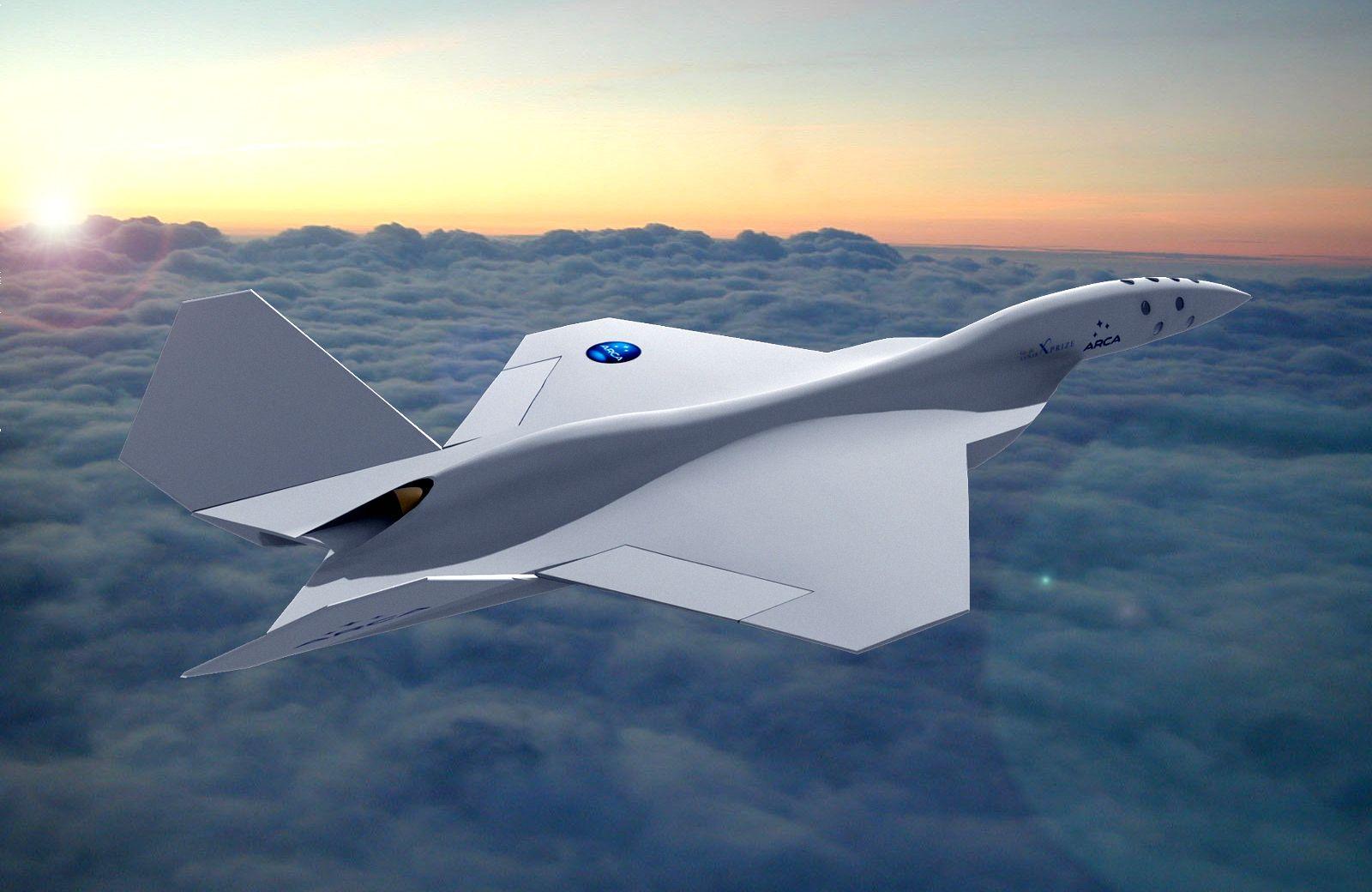
Owning a private jet is not only a symbol of success but also an intricate financial venture that involves various tax considerations. The tax landscape surrounding private jet ownership is complex, and understanding how to navigate it effectively can make a significant difference in the long-term financial outcomes of owning and operating a jet. Whether you’re a seasoned owner or looking to purchase your first aircraft, having a clear and efficient tax strategy is crucial for optimizing the investment.
This comprehensive guide provides the ultimate legal framework for private jet tax optimization, offering insights on how to minimize tax liabilities, maximize deductions, and ensure compliance with both local and international tax laws. By implementing the strategies outlined here, private jet owners can achieve substantial financial benefits while navigating the ever-changing tax environment.
- Why Private Jet Tax Optimization is Crucial
When you own a private jet, tax obligations are a significant consideration. The tax implications extend beyond the initial purchase price and include operational costs, maintenance, depreciation, and possible tax benefits related to business use. The goal of tax optimization is to structure ownership, usage, and operations in such a way that you minimize tax liabilities while maximizing deductions, credits, and incentives.
Tax optimization isn’t about avoiding taxes—it’s about using legal tools and strategies to reduce your overall tax burden. A carefully planned tax strategy can potentially save you thousands, if not millions, of dollars in tax liabilities over the lifetime of your aircraft.
- The Key Elements of Private Jet Tax Optimization
Effective private jet tax optimization is based on several key elements that work together to create a cohesive strategy. These elements span from ownership structure to tax credits, deductions, and international considerations. Let’s explore each element.
2.1. Understanding Ownership Structures
One of the most crucial decisions when it comes to tax optimization is determining the right ownership structure for your private jet. There are several ways to structure ownership, each with its own tax implications:
- Individual Ownership: For many, owning a private jet personally is the most straightforward option. However, this structure often results in limited deductions and higher liabilities if the jet is used for business purposes. This ownership structure also limits the ability to shield assets from personal liabilities.
- Corporate Ownership: Many owners choose to purchase their private jets through a corporation, especially when the jet is used for business purposes. This can lead to more favorable tax treatment, as you can deduct operating expenses as business costs, such as fuel, maintenance, insurance, and crew salaries.
- LLCs and Trusts: Using a Limited Liability Company (LLC) or Trust to own the jet can offer significant tax benefits, as well as asset protection. An LLC may allow for more flexibility in terms of how profits and losses are reported, while a trust structure can help with estate planning and tax management.
- Fractional Ownership: If you’re sharing the jet with other owners, fractional ownership offers a way to distribute the tax liabilities and benefits of jet ownership. This can be an attractive option if you only need to use the jet part-time but still want the benefits of ownership.
2.2. Maximizing Depreciation Benefits
Depreciation is one of the most powerful tools for tax optimization, allowing private jet owners to write off a portion of the aircraft’s value over time. The Modified Accelerated Cost Recovery System (MACRS) allows for accelerated depreciation of private jets over a 5-7 year period, helping to offset the cost of acquisition.
To fully leverage depreciation benefits, you must meet specific criteria, including ensuring that the aircraft is used for business purposes. Here’s how to maximize depreciation:
- Accelerated Depreciation: Under MACRS, private jets can be depreciated quickly, allowing owners to write off a substantial portion of the aircraft’s purchase price in the first few years.
- Bonus Depreciation: The Tax Cuts and Jobs Act (TCJA) introduced a 100% bonus depreciation for certain assets, including aircraft. If your jet qualifies, you can deduct the entire cost of the jet in the year it is purchased. However, this benefit may be phased out over time, so it’s important to act quickly to take advantage of this strategy.
- Business Use: If you’re using the jet for business purposes, you can deduct expenses such as fuel, insurance, maintenance, and hangar fees. To qualify, you must meet the IRS’s criteria for business use, ensuring that the jet is used predominantly for work-related purposes.
2.3. Utilizing Tax Credits and Incentives
Governments around the world are increasingly focused on sustainability and carbon emissions, which means there may be opportunities to earn tax credits for using green technologies in private jets. Here’s how you can benefit from these incentives:
- Green Aviation Tax Credits: Some governments offer tax credits for private jet owners who make the switch to sustainable aviation fuel (SAF) or purchase more energy-efficient aircraft. These credits are designed to encourage eco-friendly practices and can help offset some of the costs of owning and operating an aircraft.
- Electric Aircraft: Although still in the early stages, electric aircraft are gaining traction. As manufacturers continue to innovate in this area, tax credits or deductions may become available for the purchase of electric jets or for retrofitting conventional jets to run on electric engines.
- Energy-Efficient Modifications: If you modify your aircraft to be more fuel-efficient (such as upgrading engines or reducing its weight), you may be eligible for tax incentives. These modifications could qualify for credits aimed at reducing carbon emissions in the aviation sector.
2.4. Navigating International Tax Laws
International tax laws can have a profound effect on private jet ownership, especially if the aircraft is used for international travel or registered outside of the owner’s home country. Here are some strategies to optimize taxes across borders:
- International Registration: Depending on where the jet is registered, the aircraft may be subject to different tax rates and tax incentives. Some countries, such as the Cayman Islands and Bermuda, offer favorable tax treatment for aircraft registration, which can reduce sales taxes and annual fees.
- VAT and Sales Tax: When purchasing a private jet internationally, understanding the nuances of Value Added Tax (VAT) or Sales Tax is critical. Countries with high VAT rates (such as the European Union) may offer refunds or exemptions if the jet is used primarily for business purposes outside the jurisdiction. Structuring your purchase correctly can help reduce these taxes.
- Double Taxation Treaties: Many countries have double taxation treaties to avoid taxing the same income twice. For international owners or those flying between countries, understanding these treaties can help mitigate the risk of double taxation on income generated from the aircraft.
2.5. Addressing Tax Audits and Compliance
While tax optimization is the goal, it is essential to ensure that all strategies comply with tax laws and regulations. In the event of an audit, you need to have all documentation in order to prove that your tax claims are legitimate. Here are some ways to avoid tax issues:
- Maintain Detailed Records: Keep accurate records of all aircraft-related expenses, usage logs, and proof of business use. Detailed documentation is critical if you’re ever audited by the IRS or other tax authorities.
- Work with Legal and Tax Experts: Enlisting the help of aviation tax advisors and legal counsel can ensure that your tax strategies are fully compliant with all applicable laws. These professionals can also provide assistance in the event of an audit, offering peace of mind and expert advice on navigating complex tax matters.
- Conclusion
Navigating the world of private jet taxes requires careful planning and a deep understanding of the various legal frameworks available to optimize your investment. By utilizing a combination of ownership strategies, depreciation benefits, tax credits, and international considerations, you can significantly reduce tax liabilities and maximize financial returns from your private jet.
In a constantly changing tax landscape, proactive planning and expert guidance are the keys to long-term success. By implementing the strategies in this guide, you can ensure that your private jet ownership remains a profitable and tax-efficient endeavor, all while complying with local, national, and international tax laws.