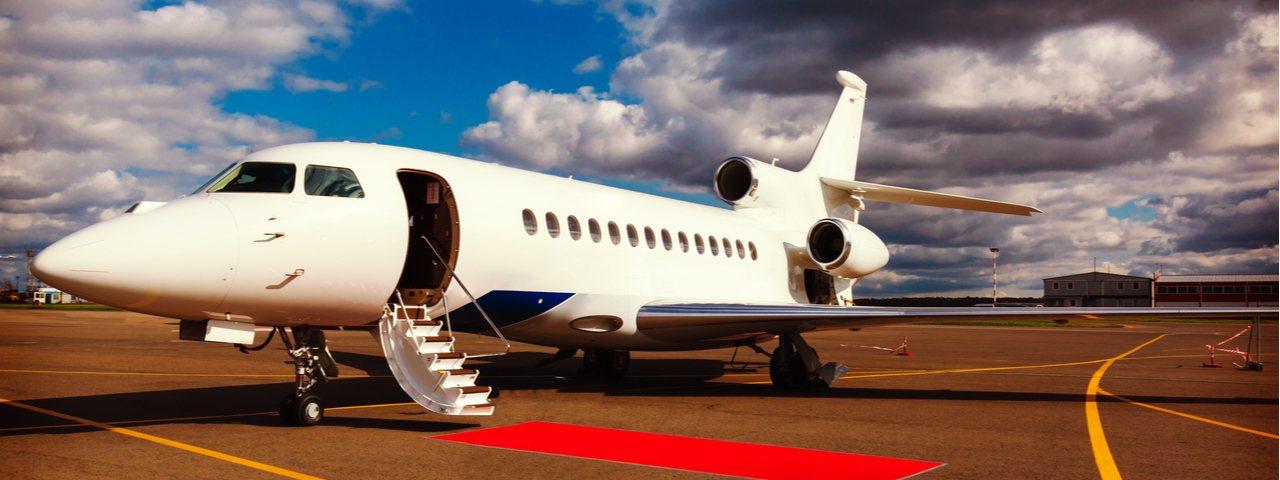
Luxury Travel Private Jet Privatejetia 2
Introduction: Your Path to Private Jet Ownership
Buying a private jet is a life-changing decision, offering freedom, luxury, and unparalleled convenience. Whether for business or personal travel, owning a jet is not just a status symbol but a smart investment for those who frequently fly. However, the journey to private jet ownership can be complex, involving careful planning and numerous decisions.
This ultimate checklist provides all the essential steps you need to follow to ensure a smooth and successful purchase. From initial considerations to post-purchase management, this guide will cover everything.
Step 1: Define Your Ownership Goals
Before diving into the details of choosing a jet, take time to clarify your ownership goals. Ask yourself the following questions:
- How often do I fly? (Is owning a jet financially justifiable based on your travel frequency?)
- What is my ideal travel range? (Do you need to fly domestically or internationally?)
- Who will be using the jet? (Solo, family, business partners, or employees?)
- What’s my budget? (Determine your initial purchase budget as well as ongoing operational costs.)
- Do I need specific customization? (Do you require specialized features like larger cabins or high-tech amenities?)
Knowing your goals will ensure that your purchase decision aligns with your lifestyle and travel needs.
Step 2: Choose the Right Jet – Size, Range, and Features
Selecting the right jet is crucial to making the right investment. Private jets vary in terms of size, range, and luxury, and picking the wrong model can lead to significant costs. Consider the following types:
- Very Light Jets (VLJs)
- Seats: 4-6
- Range: 1,200–1,500 miles
- Best For: Short regional trips
- Example Models:HondaJet, Cirrus Vision Jet
- Light Jets
- Seats: 6-8
- Range: 1,500–2,500 miles
- Best For: Business trips within the U.S.
- Example Models:Embraer Phenom 300, Cessna Citation CJ3
- Midsize Jets
- Seats: 7-10
- Range: 2,500–3,500 miles
- Best For: Longer domestic and cross-country flights
- Example Models:Hawker 800XP, Learjet 75
- Super Midsize Jets
- Seats: 8-12
- Range: 3,500–4,500 miles
- Best For: Transcontinental and coast-to-coast flights
- Example Models:Challenger 350, Gulfstream G280
- Heavy Jets
- Seats: 10-18
- Range: 5,000–7,500 miles
- Best For: International travel and luxury business jets
- Example Models:Bombardier Global 7500, Gulfstream G650
- VIP Airliners
- Seats: 20+
- Range: 7,500+ miles
- Best For: Ultra-high-net-worth individuals
- Example Models:Boeing Business Jet (BBJ), Airbus ACJ320
Understand your needs to select the right type of jet that provides value and comfort while staying within budget.
Step 3: New vs. Pre-Owned Jets – Make the Right Choice
When purchasing a jet, you have the option to buy new or pre-owned. Both options come with their own pros and cons:
New Jets
- Pros: Latest technology, fully customizable, and fresh warranty coverage
- Cons: High initial cost and rapid depreciation (jets can lose up to 30% of their value in the first few years)
Pre-Owned Jets
- Pros: Cost-effective (30-50% less than new jets), quicker acquisition
- Cons: Higher maintenance costs and potential upgrades needed
If you’re opting for pre-owned, make sure to have the jet inspected by professionals for any signs of wear, damage, or necessary repairs.
Step 4: Understand the Full Cost of Ownership
The initial purchase price is just one part of the equation. Ongoing costs add up quickly and must be carefully considered. Key expenses include:
- Fuel – Between $500 and $3,500 per flight hour, depending on the jet’s size
- Crew salaries – Pilots and flight attendants can cost between $150,000 and $400,000 per year
- Hangar fees – Generally $50,000 to $250,000 annually
- Maintenance – Routine inspections and repairs can cost $200,000 to $1 million per year
- Insurance – Typically $10,000 to $500,000 per year, depending on the aircraft’s value
- Landing and handling fees – Usually between $500 and $10,000 per landing
On average, operating a private jet can cost anywhere from $500,000 to $5 million annually. Make sure to factor in these costs when deciding on ownership.
Step 5: Financing Your Private Jet
Not all buyers have the capital to purchase a jet outright. Consider financing options such as:
Aircraft Loans
- Traditional banks and aviation lenders offer loans with terms ranging from 5 to 20 years.
Leasing
- Leasing allows you to pay a monthly fee without the long-term financial commitment of ownership.
- If you want to reduce upfront costs, Fractional Ownership allows you to buy a share of the aircraft, with a corresponding reduction in operating costs.
Check with aviation finance specialists to structure a deal that suits your financial situation.
Step 6: Legal & Regulatory Considerations
When purchasing a jet, you must navigate legal and regulatory aspects:
- Registration: You’ll need to register the jet with the FAA (Federal Aviation Administration) or equivalent aviation authority in your country.
- Import/Export Rules: Understand the laws if you plan to fly internationally.
- Insurance Requirements: Ensure the jet meets legal insurance requirements for operation.
- Tax Benefits: Work with an aviation attorney to explore tax advantages like depreciation, write-offs for business use, and sales tax exemptions in tax-friendly states or offshore jurisdictions.
Consult with aviation lawyers and accountants to ensure all legal obligations are met.
Step 7: Choose a Reputable Aircraft Broker
A qualified aircraft broker can help navigate the buying process, ensuring you get the best value. They can assist with:
- Finding available aircraft that meet your specifications
- Negotiating the price and terms
- Providing market insights for informed decision-making
Make sure the broker has experience, a strong reputation, and a network of sellers. A skilled broker will save you time and money.
Step 8: Negotiate the Deal
Once you’ve chosen a jet, the next step is to negotiate the price and finalize the sale. Keep in mind:
- Market Research – Understand current market prices for similar aircraft to ensure a fair deal.
- Inspection and Appraisal – Have the jet thoroughly inspected and appraised before finalizing the deal.
- Final Offer – Ensure the purchase agreement includes all terms, including warranties, delivery dates, and any maintenance or upgrades.
Negotiating effectively can save you a significant amount of money, so it’s crucial to be well-prepared.
Step 9: Plan for Jet Management and Operations
Owning a private jet isn’t just about flying; it’s about managing operations effectively. This includes:
- Hiring crew (pilots and attendants)
- Routine maintenance and inspections
- Handling logistics like fuel stops, catering, and cabin management
- Managing travel schedules for efficiency
Many owners outsource these tasks to professional jet management companies. These companies handle the day-to-day operations, including scheduling, maintenance, and crew management, allowing you to focus on your business or leisure activities.
Step 10: Consider Resale Value and Exit Strategy
Private jets depreciate in value, so consider your exit strategy before purchasing:
- Resale Value: Opt for aircraft with high demand in the pre-owned market. Popular models like Gulfstream and Bombardier often hold their value better.
- Trade-in Options: Work with your broker to determine if trading in your jet for a newer model is an option.
Planning for the long-term financial return will ensure you get the most out of your investment.
Conclusion: The Smart Approach to Private Jet Ownership
Purchasing a private jet is a major decision that requires thoughtful planning, a clear understanding of your needs, and a solid financial strategy. With this ultimate checklist, you’ll be well-equipped to make an informed and confident purchase.
By following these steps, defining your goals, choosing the right jet, understanding costs, financing, and legal considerations, and more, you’re on your way to elevating your lifestyle with the ultimate symbol of luxury and convenience.


