


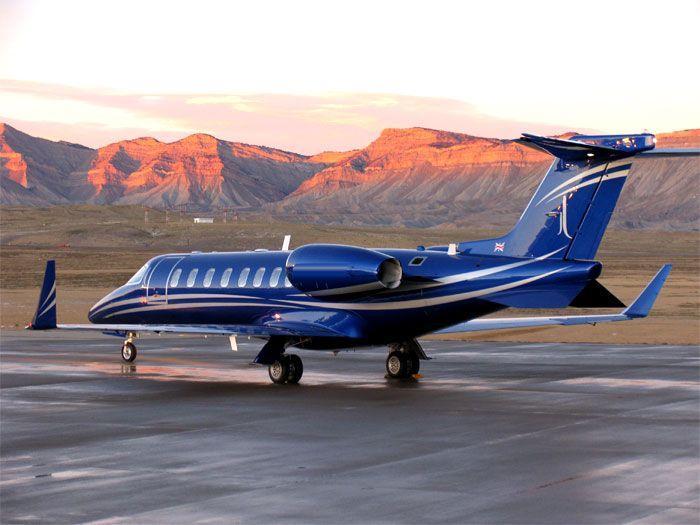
Private jets are often associated with luxury, exclusivity, and a very uniqueed convenience. However, safety is the backbone of private aviation, ensuring that travelers experience not only comfort but also peace of mind. For those considering private aviation, understanding private jet safety records can provide clarity on how these aircraft achieve such high safety standards. In this article, we’ll dive deep into the measures, technologies, and statistics that highlight the impeccable safety track record of private jets.
The Importance of Safety in Private Aviation
Safety in private aviation is not just a feature; it’s a fundamental priority that governs every aspect of operations. From aircraft design to pilot training, every element is meticulously crafted to minimize risks and maximize reliability.
Private jets cater to a discerning clientele, including corporate leaders, celebrities, and even heads of state, making safety an absolute imperative. Rigorous standards, comprehensive maintenance protocols, and cutting-edge technologies contribute to their exemplary safety records.
How Safe Are Private Jets Compared to Commercial Aircraft?
While commercial aviation has long been heralded as one of the safest modes of transport, private jets boast a comparable, if not superior, safety record in many cases. Key factors that enhance private jet safety include:
- Customized Flight Routes: Private jets have the flexibility to avoid congested airways, reducing the risk of mid-air conflicts.
- Smaller, Dedicated Crews: Private jet operators often employ highly experienced pilots and crew members who receive specialized training.
- Stringent Maintenance: With fewer aircraft in operation compared to commercial airlines, maintenance schedules are more personalized and thorough.
Statistically, incidents involving private jets are extremely rare, and the majority stem from pilot errors, which are addressed through ongoing training and advanced technology.
Factors Contributing to Excellent Safety Records
1. Advanced Aircraft Design
Modern private jets are designed with state-of-the-art safety features. From robust airframes to sophisticated avionics, these aircraft are built to handle extreme conditions. Features such as Traffic Collision Avoidance Systems (TCAS) and Enhanced Ground Proximity Warning Systems (EGPWS) ensure optimal situational awareness for pilots.
2. Stringent Maintenance Protocols
Maintenance is a cornerstone of private jet safety. Aircraft undergo regular inspections based on usage and time intervals, adhering to regulations set by aviation authorities like the FAA and EASA. These checks cover every aspect of the aircraft, from engines to avionics, ensuring peak performance.
3. Experienced Pilots
Private jet operators often hire pilots with extensive experience in both commercial and private aviation. Pilots undergo recurrent training to stay updated on the latest safety protocols, ensuring they are prepared for any situation.
4. Real-Time Monitoring
Some private jet operators use real-time monitoring systems to track aircraft performance during flights. These systems can detect anomalies and alert ground crews, enabling swift corrective actions.
Understanding Safety Statistics
While specific data on private jet incidents can vary, here are some key insights:
- Accidents per Million Flights: Private jets experience fewer accidents per million flights compared to other forms of private or small aircraft transportation.
- Fatality Rates: The fatality rate for private jets is exceptionally low, thanks to advanced safety features and pilot training.
- Causes of Incidents: When incidents occur, they are often linked to human error, which the industry continuously addresses through technology and training.
Role of Regulatory Bodies
Regulatory authorities play a crucial role in maintaining safety standards for private jets. The Federal Aviation Administration (FAA) in the United States and the European Union Aviation Safety Agency (EASA) in Europe oversee private aviation with stringent regulations. These include:
- Certification processes for aircraft and operators
- Maintenance and inspection requirements
- Pilot licensing and recurrent training
- Safety audits and compliance checks
Innovations Enhancing Private Jet Safety
Artificial Intelligence (AI) in Aviation
AI is revolutionizing private jet safety by analyzing flight data to predict and prevent potential issues. Predictive maintenance, powered by AI, identifies wear and tear before it becomes critical.
Automated Flight Systems
Autopilot systems in private jets are more advanced than ever, capable of handling various flight phases with precision. In emergencies, these systems can assist or even take over control to ensure a safe landing.
Advanced Communication Tools
Private jets are equipped with cutting-edge communication systems, including satellite connectivity, ensuring seamless coordination with air traffic control and ground support during flights.
Enhanced Weather Detection
Weather remains one of the most unpredictable challenges in aviation. Modern private jets feature sophisticated weather radar systems that allow pilots to detect and avoid turbulence, storms, and other adverse conditions.
How Private Jet Operators Maintain High Safety Standards
Rigorous Pre-Flight Checks
Before every flight, private jets undergo thorough pre-flight inspections. These checks cover all critical systems, from avionics to hydraulics, ensuring the aircraft is ready for a safe journey.
Comprehensive Crew Training
Pilots and flight attendants receive continuous training that includes emergency procedures, simulator sessions, and updates on new safety technologies.
Safety Audits and Certifications
Leading operators often undergo voluntary audits by third-party organizations, such as the International Business Aviation Council (IBAC), to validate their safety practices.
Why Passengers Should Feel Confident
Passengers on private jets can rest assured knowing they are traveling on some of the safest aircraft in the world. Key reasons include:
- The use of smaller airports reduces ground congestion and minimizes risks associated with large hubs.
- Operators prioritize passenger safety above all, often exceeding mandatory safety requirements.
- Advanced systems ensure that emergencies, should they occur, are managed with the utmost efficiency.
Common Misconceptions About Private Jet Safety
Myth: Private Jets Are Less Safe Than Commercial Flights
Truth: Private jets adhere to strict safety standards, often matching or surpassing those of commercial airlines. Their smaller size allows for more focused maintenance and individualized attention.
Myth: Pilots on Private Jets Are Less Experienced
Truth: Private jet pilots typically have extensive aviation experience and undergo regular training to maintain peak performance.
Looking Ahead: The Future of Private Jet Safety
As technology continues to advance, the safety of private jets will only improve. Innovations such as AI-driven decision-making, autonomous flight systems, and enhanced materials for aircraft construction promise to make private aviation even more secure.
Conclusion
Private jet safety records are a testament to the industry’s commitment to excellence. Through rigorous standards, advanced technologies, and dedicated professionals, private jets maintain an exemplary safety record that rivals commercial aviation.
For those considering private aviation, understanding the measures in place can provide confidence and assurance. Private jets are not just luxurious, they are among the safest ways to travel, combining comfort with cutting-edge safety protocols to ensure every journey is secure and enjoyable.


