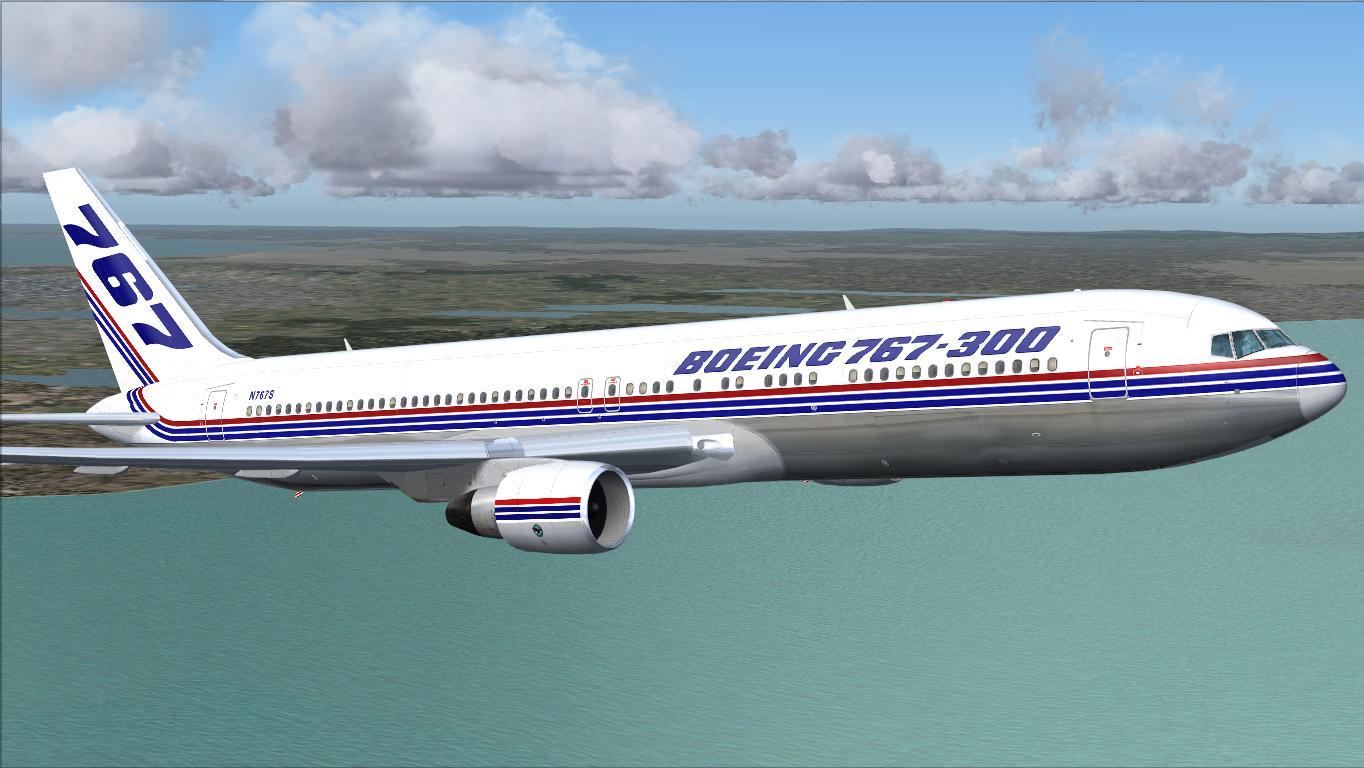
Private jet ownership is often seen as a symbol of success, providing unmatched convenience and luxury in travel. However, beneath this high-flying lifestyle lies a complex web of financial, regulatory, and tax considerations. One of the most significant challenges private jet owners and investors face is optimizing their tax strategies to ensure they reap the benefits of ownership while minimizing tax burdens. This is where legal frameworks come into play.
Legal frameworks — both domestic and international — set the boundaries within which private jet tax planning operates. These frameworks dictate how private jet ownership is structured, how taxes are assessed, and how owners can take advantage of available deductions, exemptions, and incentives. By understanding and leveraging these legal structures, owners can optimize their tax liabilities and achieve a more cost-effective ownership experience.
This guide explores the crucial role legal frameworks play in private jet tax optimization and offers creative strategies for structuring ownership and operational models to maximize tax efficiency.
- The Foundation of Private Jet Tax Planning: Understanding the Legal Landscape
Before diving into the specifics of tax optimization, it’s essential to understand the legal frameworks that govern private jet ownership and operation. These frameworks vary by country and jurisdiction, affecting everything from sales tax and value-added tax (VAT) to aviation-specific taxes like aviation fuel tax and airport fees.
1.1. Domestic Tax Regulations: The Backbone of Optimization
Each country has its own set of rules governing private jet ownership and the taxation of private aircraft. In the U.S., for example, the Federal Aviation Administration (FAA) sets the rules for aircraft registration, while the Internal Revenue Service (IRS) governs tax treatment. Similarly, in Europe, the European Union (EU) enforces VAT rules, which vary from country to country.
For owners and investors, understanding the domestic tax laws is crucial for ensuring compliance and for identifying opportunities for tax deductions and credits. This includes depreciation allowances and sales tax exemptions that are available under specific circumstances.
Creative Strategy: One of the most effective ways to optimize taxes domestically is through accelerated depreciation methods, such as the Modified Accelerated Cost Recovery System (MACRS) in the U.S. This allows for the rapid depreciation of the aircraft, providing substantial upfront tax benefits.
1.2. International Tax Regulations: Cross-Border Considerations
Private jet owners who operate internationally face an additional layer of complexity. International tax regulations add another dimension to the tax optimization process. Owners may be subject to double taxation in countries where the jet is operated, as well as VAT on aircraft purchase or leasing.
However, many countries have signed Double Taxation Agreements (DTAs) to avoid taxing the same income or asset in multiple jurisdictions. For example, an aircraft owner in the U.S. who frequently travels to the EU may benefit from a tax treaty that helps avoid double taxation on rental or ownership income.
Creative Strategy: To reduce the impact of double taxation, owners can consider establishing offshore ownership structures in tax-friendly jurisdictions. These jurisdictions may offer favorable tax treatment, reduced registration fees, and exemptions on certain taxes, providing owners with more control over their tax liabilities.
- Legal Ownership Structures: Key to Tax Optimization
The way a private jet is owned and operated can have a profound impact on how taxes are handled. Ownership structures are a vital component of private jet tax optimization, with different models offering varying degrees of tax efficiency.
2.1. Full Ownership vs. Fractional Ownership
Private jet owners can choose to either own an aircraft outright or enter into fractional ownership agreements. Full ownership allows for complete control over the aircraft, but it can also come with significant tax liabilities. Fractional ownership, on the other hand, enables owners to share the costs of purchasing and operating a jet, potentially reducing individual tax burdens.
Creative Strategy: Fractional ownership can be a tax-efficient option for owners who do not need the jet full-time. By sharing the costs with other owners, you can reduce the impact of expenses like depreciation, maintenance, and operating fees. Additionally, fractional ownership can provide more flexibility in terms of tax treatment, especially for owners who use the jet for business purposes.
2.2. Corporate Ownership: Maximizing Business Deductions
For businesses, owning a private jet through a corporation or limited liability company (LLC) can offer substantial tax advantages. A corporate ownership structure enables the business to deduct operating costs, depreciation, and interest on any financing used to purchase the jet. These deductions can offset other business income, reducing overall tax liability.
Creative Strategy: Structuring your private jet ownership through a corporation allows you to treat the jet as a business asset, which opens up opportunities for significant tax deductions. This structure works particularly well if the jet is used primarily for business purposes, such as client meetings or corporate travel.
2.3. Offshore Ownership: Tax Haven Strategies
Another creative strategy is offshore ownership, which can provide a host of tax advantages for private jet owners. Jurisdictions such as the Isle of Man, Cayman Islands, and Bermuda are known for offering favorable tax treatment for aircraft ownership. Offshore ownership allows owners to take advantage of lower tax rates, tax exemptions, and favorable VAT treatment.
Creative Strategy: Offshore ownership structures can also provide additional benefits, such as privacy protection and reduced exposure to domestic litigation. By registering the aircraft in a jurisdiction with favorable tax laws, you can significantly reduce both operational costs and tax liabilities.
- Tax Incentives and Credits: Leveraging Legal Frameworks for Additional Savings
In addition to the standard deductions available for private jet ownership, there are also a variety of tax incentives and credits that can be leveraged to further reduce tax liabilities. These incentives are often tied to specific actions taken by the jet owner, such as adopting eco-friendly practices or using the aircraft for business purposes.
3.1. Green Tax Incentives: The Rise of Sustainable Aviation
As the world becomes more focused on sustainability, governments are increasingly offering tax credits and incentives for owners who adopt eco-friendly aviation practices. This includes using sustainable aviation fuel (SAF), which can significantly reduce the carbon footprint of jet operations.
Creative Strategy: By switching to SAF or upgrading your jet to a more fuel-efficient model, you can take advantage of green tax incentives. Many countries offer financial rewards for adopting sustainable aviation practices, and these incentives can help offset the higher initial costs of making these upgrades.
3.2. Business Use Deductions: Maximizing Travel-Related Expenses
One of the most powerful tax optimization tools for private jet owners is the ability to deduct business-related expenses. If the jet is used for business travel, such as meetings with clients or attending corporate events, the owner may be able to deduct a wide range of associated costs, including fuel, maintenance, and crew salaries.
Creative Strategy: Ensure that your jet is used primarily for business purposes in order to maximize business use deductions. Keeping detailed records of flight logs and expenses is crucial for substantiating these deductions in the event of a tax audit.
- Future Trends in Private Jet Tax Optimization
The landscape of private jet tax optimization is constantly evolving. As governments continue to adjust their tax policies in response to global economic shifts, new opportunities and challenges will emerge for private jet owners and investors.
4.1. The Impact of Global Tax Reforms
With the ongoing changes to tax laws in various countries, it’s crucial to stay informed about potential reforms that could affect private jet tax planning. New tax policies focused on carbon emissions, wealth taxes, and asset taxes could have a significant impact on how private jet owners structure their ownership and tax strategies.
Creative Strategy: Stay ahead of these changes by working closely with tax professionals who specialize in aviation taxation. This proactive approach will help you identify new opportunities for tax optimization while ensuring compliance with evolving tax laws.
4.2. The Rise of Digital Tax Reporting
As governments move toward more digital and automated tax reporting systems, private jet owners may face new requirements for documentation and reporting. Staying ahead of these trends and adopting digital tools for tax compliance can streamline the process and reduce the risk of errors.
Creative Strategy: Implement digital tax reporting systems to simplify the management of your private jet’s financial and tax data. This can help ensure that you are always prepared for audits and comply with reporting requirements.
- Conclusion: Creative Legal Strategies for Private Jet Tax Optimization
Navigating the legal frameworks that govern private jet ownership and tax optimization can be a daunting task. However, with the right strategies and understanding of the relevant laws, private jet owners can achieve substantial tax savings while ensuring legal compliance. From corporate structures and fractional ownership to leveraging tax incentives and embracing eco-friendly initiatives, there are numerous creative legal strategies available to optimize your private jet tax position.
By staying informed about domestic and international tax regulations, adopting innovative ownership structures, and taking advantage of available incentives, you can maximize the tax efficiency of your private jet ownership, even in a constantly evolving regulatory landscape.