


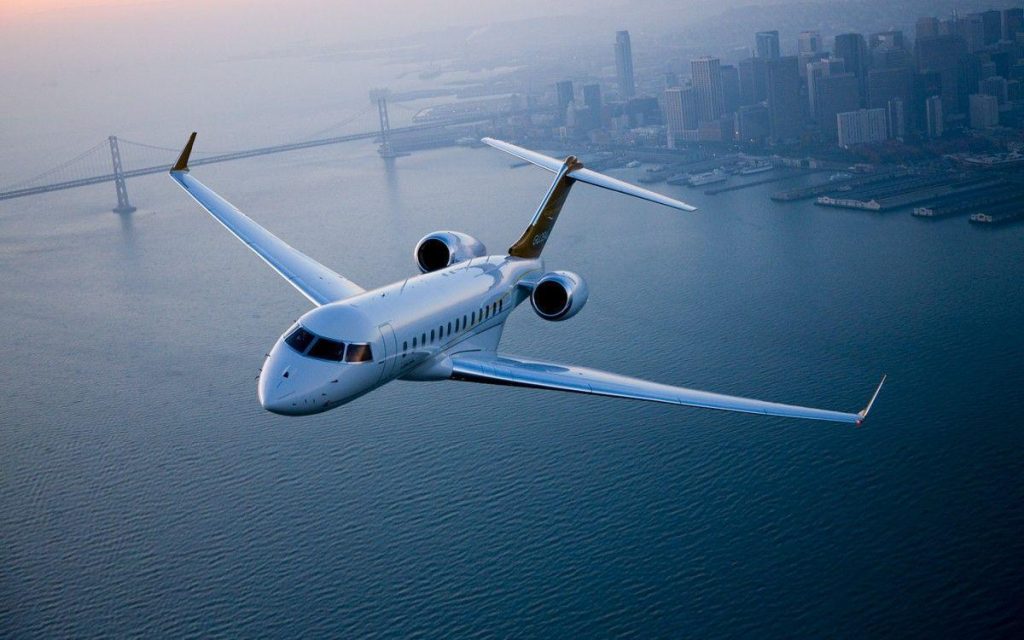
Long-range private jets represent the maximum experience of luxury aviation, capable of covering vast distances without refueling while offering a very uniqueed comfort and exclusivity. From transatlantic crossings to intercontinental journeys, flying these aircraft requires a combination of advanced skills, rigorous training, and cutting-edge technology. But what does it truly take to pilot one of these marvels of engineering?
This article dives into the qualifications, responsibilities, and unique challenges that come with flying long-range private jets.
1. Understanding Long-Range Private Jets
Long-range private jets like the Gulfstream G700, Bombardier Global 7500, and Dassault Falcon 10X are designed for extended flights, often exceeding 12 hours. These aircraft feature spacious cabins, advanced avionics, and impressive range capabilities, typically over 6,000 nautical miles.
Key Features of Long-Range Jets
- Extended Range: Enables non-stop travel between destinations like New York and Dubai or London and Singapore.
- Luxurious Interiors: Customizable cabins with private suites, gourmet kitchens, and entertainment systems.
- Advanced Technology: Equipped with state-of-the-art navigation and communication systems for efficiency and safety.
Flying such an aircraft demands expertise, adaptability, and a deep understanding of international aviation regulations.
2. Pilot Qualifications and Training
Piloting a long-range private jet requires more than a basic pilot’s license. Pilots must meet stringent qualifications and undergo specialized training to handle the complexity of these aircraft and their extended missions.
Licenses and Certifications
- Airline Transport Pilot (ATP) Certificate: The highest level of pilot certification, mandatory for long-range jet pilots.
- Type Ratings: Specific training for the exact model of the aircraft, such as a Gulfstream or Bombardier jet.
- International Operations Training: Familiarity with global flight procedures, including oceanic crossings and foreign airspace navigation.
Continuous Education
Even experienced pilots participate in regular simulator training to refresh skills, practice emergency scenarios, and stay updated on technological advancements.
3. Pre-Flight Preparation
Flying a long-range private jet begins long before takeoff. Pilots invest significant time in meticulous planning to ensure a seamless journey.
Route Planning
Long-haul flights often traverse multiple countries and airspaces, requiring detailed route planning that considers:
- Weather Patterns: Avoiding turbulence and ensuring optimal flight paths.
- Fuel Efficiency: Calculating fuel requirements for the entire journey, including reserves for emergencies.
- Overflight Permits: Securing permissions to fly through various national airspaces.
Aircraft Inspection
Before departure, pilots conduct comprehensive inspections of the jet to ensure it meets safety and performance standards. This includes checking engines, avionics, and fuel systems.
Passenger Customization
Pilots collaborate with the cabin crew to accommodate specific passenger requests, such as meal preferences or cabin configurations, enhancing the luxury experience.
4. In-Flight Responsibilities
Once airborne, the pilot’s role extends beyond steering the aircraft. Managing a long-haul flight requires constant vigilance, communication, and adaptability.
Monitoring Systems
Modern long-range jets are equipped with advanced avionics that monitor the aircraft’s performance. Pilots regularly check:
- Fuel consumption and reserves
- Engine performance
- Navigation and autopilot systems
Oceanic Navigation
Crossing oceans involves unique challenges, such as limited radar coverage. Pilots rely on satellite communication and systems like ADS-B (Automatic Dependent Surveillance-Broadcast) for precise positioning.
Ensuring Passenger Comfort
Long flights can be taxing for passengers. Pilots work closely with the cabin crew to ensure a smooth journey, adjusting altitude to avoid turbulence and maintaining optimal cabin pressure.
5. Challenges of Long-Haul Flights
Despite the luxury associated with long-range private jets, flying them presents several challenges that require skill and preparation.
Fatigue Management
Pilots on extended flights must manage fatigue effectively. Regulations often require a second or third pilot to share responsibilities, ensuring alertness throughout the journey.
Weather Variability
Long routes increase exposure to diverse weather conditions, from thunderstorms over the Atlantic to turbulence near mountain ranges. Pilots use real-time data to navigate these challenges.
Technical Failures
Though rare, technical issues on long flights can have significant consequences. Pilots are trained to troubleshoot problems and execute emergency landings if necessary.
6. The Role of Technology in Long-Range Aviation
Technology plays a crucial role in ensuring the safety and efficiency of long-range private jets.
Advanced Avionics
Modern jets feature glass cockpits with digital displays, offering pilots comprehensive data on navigation, weather, and aircraft performance.
Flight Management Systems (FMS)
The FMS automates many aspects of flight planning and execution, allowing pilots to focus on critical decisions.
Predictive Maintenance
AI-driven systems monitor the aircraft’s condition in real-time, alerting pilots to potential issues before they become critical.
7. The Human Element in Luxury Aviation
While technology enhances safety and efficiency, the human element remains irreplaceable in luxury aviation.
Personalized Service
Pilots often interact directly with passengers, understanding their preferences and ensuring a customized experience.
Crisis Management
In unexpected situations, such as medical emergencies or sudden route changes, the pilot’s expertise and decision-making are vital.
Cultural Awareness
Flying internationally requires sensitivity to cultural differences, from communication styles to understanding customs regulations.
8. Career Path to Flying Long-Range Private Jets
Aspiring pilots often wonder how to reach the maximum experience of aviation: flying long-range private jets.
Step 1: Build Experience
Most pilots begin with smaller aircraft, gaining hours and experience before transitioning to larger jets.
Step 2: Pursue Specialized Training
Obtaining type ratings for long-range jets and completing international operations courses are essential steps.
Step 3: Network in the Industry
Private aviation is a relationship-driven field. Networking with operators, brokers, and aviation companies can open doors to opportunities.
Step 4: Embrace Continuous Learning
The aviation industry evolves rapidly. Staying updated on technology, regulations, and best practices ensures long-term success.
Conclusion
Flying a long-range private jet is a complex and rewarding endeavor that combines technical expertise, meticulous preparation, and a commitment to delivering a very uniqueed luxury. Pilots must master advanced aircraft systems, navigate international airspaces, and adapt to the unique demands of high-profile clients.
As the demand for long-range private jets continues to grow, the role of the pilot remains central to ensuring safety, efficiency, and an exceptional travel experience. Whether crossing oceans or connecting continents, these skilled professionals make every journey memorable for their passengers.


