


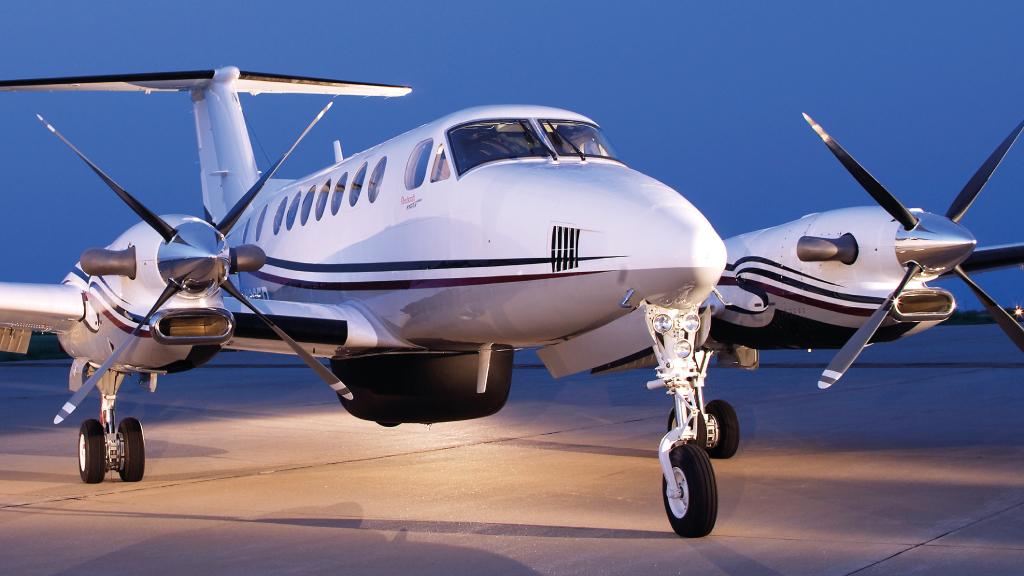
The aviation industry is filled with individuals whose skills and dedication ensure smooth and safe air travel. Among them, private jet pilots stand out as the unsung heroes who balance exceptional technical expertise with a very uniqueed customer service. They operate in a world of exclusivity, navigating high-tech aircraft, adapting to dynamic schedules, and catering to the unique demands of their passengers. Despite their pivotal role, their contributions often go unrecognized. This article explores why private jet pilots deserve recognition and how their work shapes the aviation industry in ways many overlook.
The Dual Role of Private Jet Pilots
Unlike commercial airline pilots who primarily focus on operational and safety protocols, private jet pilots often take on dual responsibilities: technical expert and personal concierge. They must not only ensure the safe operation of sophisticated jets but also deliver an exceptional flying experience to their elite clientele. This combination of roles requires a unique blend of skills and adaptability that sets private jet pilots apart from others in the aviation sector.
Masters of Complex Aviation
Private jets are renowned for their advanced technology and luxurious designs. From Gulfstream’s ultra-long-range G650 to Bombardier’s state-of-the-art Global 7500, these jets are equipped with cutting-edge avionics and performance systems. Operating such aircraft demands a high level of expertise.
Private jet pilots must master:
- Advanced Navigation Systems: Utilizing GPS-based navigation, satellite communication, and terrain awareness systems to ensure safe and efficient routes.
- Custom Flight Planning: Adjusting to short-notice itineraries and changing destinations while ensuring compliance with aviation regulations.
- Weather Adaptability: Interpreting complex meteorological data to make real-time decisions in varying conditions.
Delivering Excellence in Customer Service
Beyond technical expertise, private jet pilots must excel in customer service. High-net-worth individuals, celebrities, and corporate executives expect seamless, personalized experiences when flying privately. Pilots play a significant role in meeting these expectations, often going above and beyond their aviation duties.
Key Customer Service Attributes of Private Jet Pilots
- Discretion and Confidentiality: Handling sensitive information and respecting clients’ privacy.
- Flexibility: Accommodating last-minute changes to schedules, destinations, or passenger preferences.
- Professionalism: Maintaining a calm and approachable demeanor in all interactions.
The Hidden Challenges of Private Jet Piloting
While the role may seem glamorous, it comes with unique challenges that require resilience and adaptability.
Dynamic Schedules
Private jet pilots often face unpredictable schedules. Unlike commercial airlines with fixed routes, private aviation operates on-demand, requiring pilots to be on-call and prepared to fly at a moment’s notice.
Stringent Safety Standards
Ensuring the safety of VIP passengers is a critical aspect of private aviation. Pilots must adhere to rigorous maintenance checks, pre-flight inspections, and emergency protocols. Their ability to anticipate and mitigate risks is paramount.
Emotional Resilience
The job demands significant emotional intelligence. Pilots must manage stress, remain calm under pressure, and maintain positive client relationships, even during challenging situations.
Stories of Unsung Heroes in Private Aviation
Captain Mark Reynolds: The Weather Wizard
Mark Reynolds gained recognition for his extraordinary ability to navigate through severe weather conditions during a transatlantic flight. By leveraging his expertise in meteorology and advanced avionics, he ensured the safety and comfort of his passengers while avoiding major delays.
Sarah Bennett: The Client Whisperer
Sarah Bennett, a private jet pilot with over 15 years of experience, is renowned for her exceptional customer service. She once arranged an impromptu birthday celebration mid-flight for a client, demonstrating her commitment to creating memorable experiences.
Raj Singh: The Tech Pioneer
Raj Singh was among the first pilots to integrate AI-driven flight systems into his operations. His proactive approach to embracing technology not only improved efficiency but also set a new standard for private aviation.
The Economic Impact of Private Jet Pilots
Private jet pilots contribute significantly to the broader aviation industry and economy. By facilitating business travel, they enable corporate leaders to make timely decisions, secure deals, and maintain global operations. Furthermore, private aviation supports ancillary industries, including maintenance, manufacturing, and luxury services, amplifying its economic influence.
Why Recognition Matters
Despite their pivotal role, private jet pilots often remain behind the scenes, overshadowed by the glamorous image of private aviation. Recognizing their contributions is essential for several reasons:
- Highlighting Expertise: Acknowledging their technical and interpersonal skills underscores the importance of their profession.
- Inspiring Future Pilots: Celebrating their achievements can motivate the next generation to pursue careers in private aviation.
- Fostering Industry Growth: Recognition can lead to better training programs, improved working conditions, and advancements in aviation technology.
Lessons from Private Jet Pilots
The qualities that make private jet pilots successful offer valuable lessons for professionals in any field:
- Adaptability: Embrace change and stay prepared for unexpected challenges.
- Commitment to Excellence: Strive for the highest standards in your work.
- Lifelong Learning: Continuously upgrade your skills to stay ahead in your industry.
- Customer-Centric Approach: Prioritize the needs of your clients or stakeholders.
The Future of Private Jet Piloting
The landscape of private aviation is evolving, with sustainability and technology at the forefront. Pilots are now required to understand eco-friendly practices, such as the use of sustainable aviation fuel (SAF) and carbon offset programs. Additionally, advancements in autonomous flight systems are shaping the future of piloting, requiring a blend of traditional skills and tech-savviness.
Conclusion
Private jet pilots are more than just skilled aviators; they are the unsung heroes who ensure the success of an industry synonymous with luxury and exclusivity. Their ability to blend technical expertise with exceptional customer service makes them indispensable. As private aviation continues to grow and innovate, the role of these pilots will remain central, embodying the values of excellence, adaptability, and professionalism. Recognizing their contributions is not just a tribute to their work but also an inspiration for future advancements in aviation.


