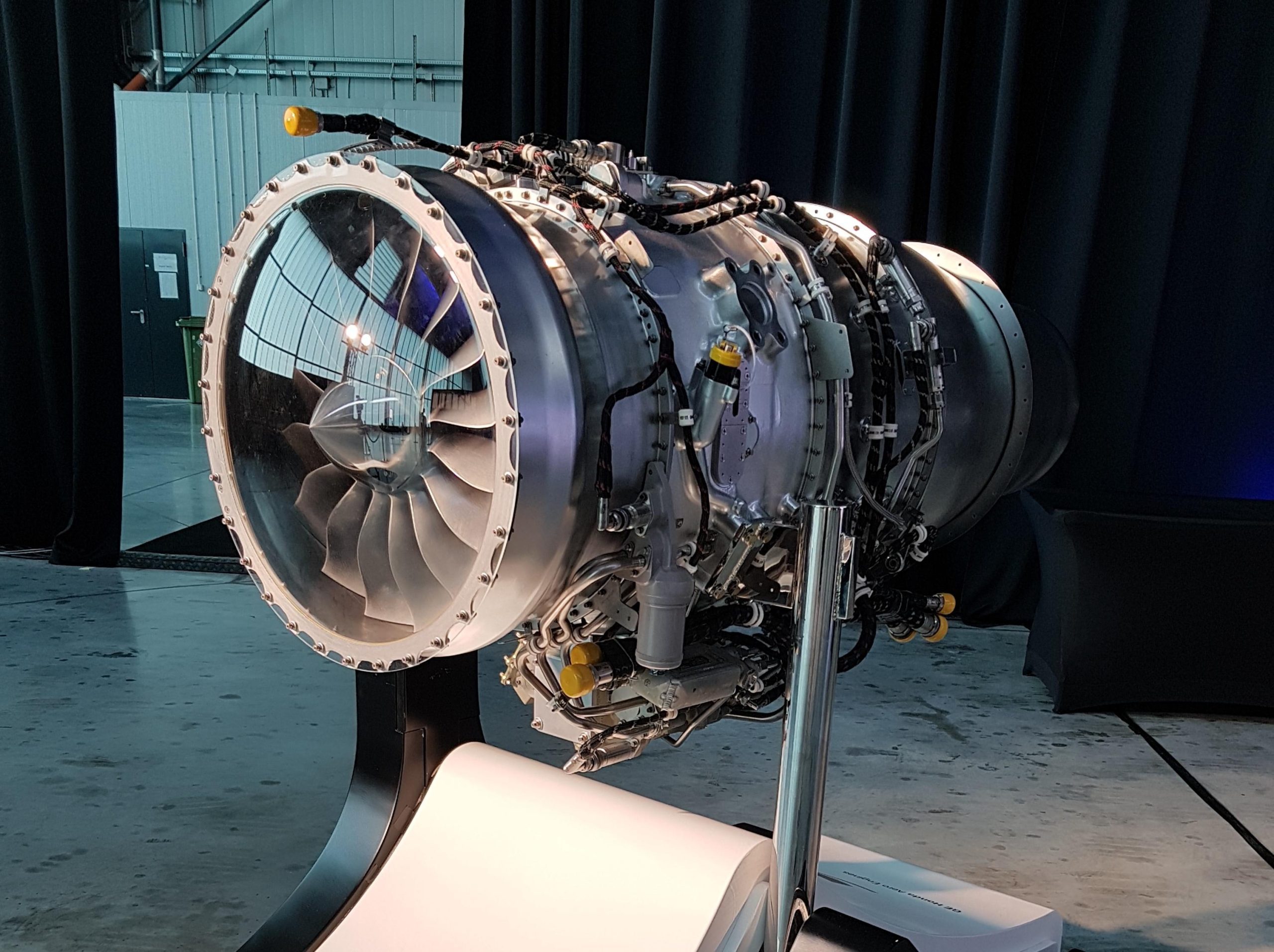
For those who have reached the maximum experience of success, owning a private jet is more than just a luxury, it’s a statement of achievement, a tool for productivity, and a gateway to seamless travel. Whether you’re a business leader, an entrepreneur, or someone who values unparalleled comfort and flexibility, buying a private jet can significantly enhance your lifestyle.
However, the road to private jet ownership can be complex. It involves a series of steps, from understanding the different types of jets and selecting the right one for your needs to navigating the financial aspects and managing the ongoing costs. In this comprehensive blueprint, we’ll break down each phase of the process, providing you with all the information you need to make an informed decision and ensure your investment is worthwhile.
Step 1: Defining Your Requirements
Before you even begin browsing for jets, it’s crucial to assess your specific needs. The type of jet you purchase will depend on several factors, including the frequency of your travel, the distance you typically fly, the number of passengers you carry, and your desired level of comfort and luxury.
- How Often Will You Use the Jet? One of the first questions to ask yourself is how frequently you plan to fly. If you are a frequent flyer, especially on international routes, you’ll need a jet with a longer range and greater capacity. For someone who travels more regionally or on a limited basis, a smaller jet might suffice.
- How Many Passengers Will You Carry? The size of your aircraft will largely depend on how many people typically travel with you. If you often fly with a team or clients, you’ll need a jet that can comfortably accommodate more passengers. A light jet may carry 4-6 passengers, while larger jets can seat 10-14 passengers or more. Be sure to factor in the ideal passenger capacity to avoid over or underestimating the space you need.
- What Is Your Typical Flight Range? Consider how far you usually travel. Do you need to fly across the country or between continents? For shorter regional flights, a smaller jet with a range of up to 1,500-2,000 miles may be sufficient. However, for international trips, you’ll need a jet with a much longer range (over 4,000 miles) that can fly non-stop.
- What Comfort and Amenities Do You Require? Private jets come in many configurations, from basic, functional cabins to luxurious setups with private suites, office spaces, and full bathrooms. Think about the level of comfort you require during your travels. Gourmet meals, Wi-Fi, and even bedrooms are available on larger jets, while smaller jets may offer more limited amenities. Consider your lifestyle and how much comfort you need for both business and leisure trips.
Step 2: Types of Private Jets
Once you have a clear understanding of your requirements, it’s time to start considering which type of jet will best suit your needs. There are several categories of private jets, each offering unique benefits.
- Light Jets
- Capacity: 4-6 passengers
- Range: 1,000-2,000 miles
- Ideal for: Short, regional trips
- Examples: Cessna Citation Mustang, Embraer Phenom 100
Light jets are perfect for quick flights to nearby cities. They are typically economical and efficient for short-range travel.
- Mid-Size Jets
- Capacity: 6-8 passengers
- Range: 2,000-3,000 miles
- Ideal for: Longer domestic flights
- Examples: Hawker 800XP, Learjet 60
Mid-size jets offer more space and a longer range than light jets. They are a good choice for business owners who need to fly cross-country.
- Super-Mid Jets
- Capacity: 8-10 passengers
- Range: 3,000-4,000 miles
- Ideal for: Transcontinental flights
- Examples: Gulfstream G280, Bombardier Challenger 350
Super-mid jets provide greater cabin space and more luxury features, making them ideal for long-haul domestic or international flights.
- Heavy Jets
- Capacity: 10-14+ passengers
- Range: 4,000-6,000 miles
- Ideal for: Long international flights
- Examples: Gulfstream G550, Bombardier Global 6000
Heavy jets are the most luxurious and capable of flying the farthest distances. They offer ample space, comfort, and advanced amenities, making them perfect for international business and leisure travel.
Step 3: New vs. Pre-Owned Jets
One of the most important decisions in the private jet buying process is whether to purchase a new or pre-owned aircraft. Both options come with distinct advantages and disadvantages, and the choice depends on your budget and preferences.
- New Jets
- Advantages: The latest technology, zero maintenance history, customization options, and full warranties.
- Disadvantages: High initial cost, rapid depreciation as soon as you take ownership.
- Ideal for: Buyers who want the latest features, customization options, and can afford a premium price.
- Pre-Owned Jets
- Advantages: Lower purchase price, slower depreciation, potential to find high-quality jets at a reduced cost.
- Disadvantages: Potential hidden maintenance issues, older technology, and the need for a thorough inspection before purchase.
- Ideal for: Buyers who want to save on upfront costs and don’t mind the potential need for some repairs or upgrades.
If you choose to purchase a pre-owned jet, it is essential to have a pre-purchase inspection conducted by a certified expert to ensure the jet is in good condition.
Step 4: Financing Your Private Jet
Given the substantial cost of purchasing a private jet, many buyers opt for financing options. The most common methods of financing include:
- Traditional Bank Loans Traditional loans are a popular option for those with significant assets and strong credit. You’ll typically need to provide a down payment (usually 10-20% of the jet’s value) and pay off the loan over a period of several years.
- Leasing Leasing allows you to use a jet without owning it outright. You pay a monthly fee for the duration of the lease. This option can be a good choice for those who only need a jet on a part-time basis.
- Fractional Ownership Fractional ownership enables you to purchase a share of a jet, which gives you access to a specific number of flying hours each year. This is a cost-effective option for those who fly infrequently but still want the benefits of private aviation.
- Jet Cards Jet cards allow you to pre-purchase a set number of flying hours. This gives you access to private jets without the long-term commitment or the responsibilities of ownership. It’s a flexible, affordable option for occasional flyers.
Step 5: Understanding the Total Cost of Ownership
Owning a private jet comes with more expenses than just the purchase price. The total cost of ownership includes several ongoing fees that must be considered before making a purchase. Here are some of the major costs:
- Fuel Costs Jet fuel is one of the largest operational expenses. The cost will depend on the size of your jet and how often you fly.
- Maintenance and Inspections Regular maintenance is necessary to keep your jet in top condition. This includes routine inspections, parts replacements, and unexpected repairs. Many owners opt for maintenance contracts to manage these costs.
- Crew Salaries Depending on the size of your jet, you’ll need to employ pilots and possibly flight attendants. Their salaries will be ongoing costs.
- Insurance Comprehensive insurance is necessary to protect your jet and passengers. The cost will vary based on the value of the aircraft and how often it is used.
- Hangar and Storage Fees Storing your jet at an airport hangar is another cost to consider. These fees vary depending on the airport location and the size of your aircraft.
- Depreciation Just like any luxury asset, your private jet will depreciate over time. However, some jets maintain their value better than others, especially those from well-known manufacturers like Gulfstream and Bombardier.
Step 6: Managing Your Jet
Once you’ve purchased your jet, the next step is managing its operations. Many owners hire an aircraft management company to handle day-to-day tasks like scheduling, flight planning, maintenance, and staffing. This service allows you to enjoy the benefits of private jet ownership without the complexities of managing it yourself.
Step 7: Maximizing Your Investment
Owning a private jet is a major financial commitment, but there are ways to maximize the value of your investment. Some owners choose to charter their jet when they’re not using it. This can help offset some of the operational costs and increase the jet’s earning potential. Another option is fractional ownership, where you share your jet with other owners to reduce expenses.
Conclusion: Reaching New Heights with Private Jet Ownership
Buying a private jet is an investment that can elevate
your business, lifestyle, and efficiency to new heights. From choosing the right jet to financing, managing, and maximizing your investment, the process requires careful planning and consideration. By following this comprehensive blueprint, you can ensure that your journey to private jet ownership is smooth, successful, and ultimately rewarding.