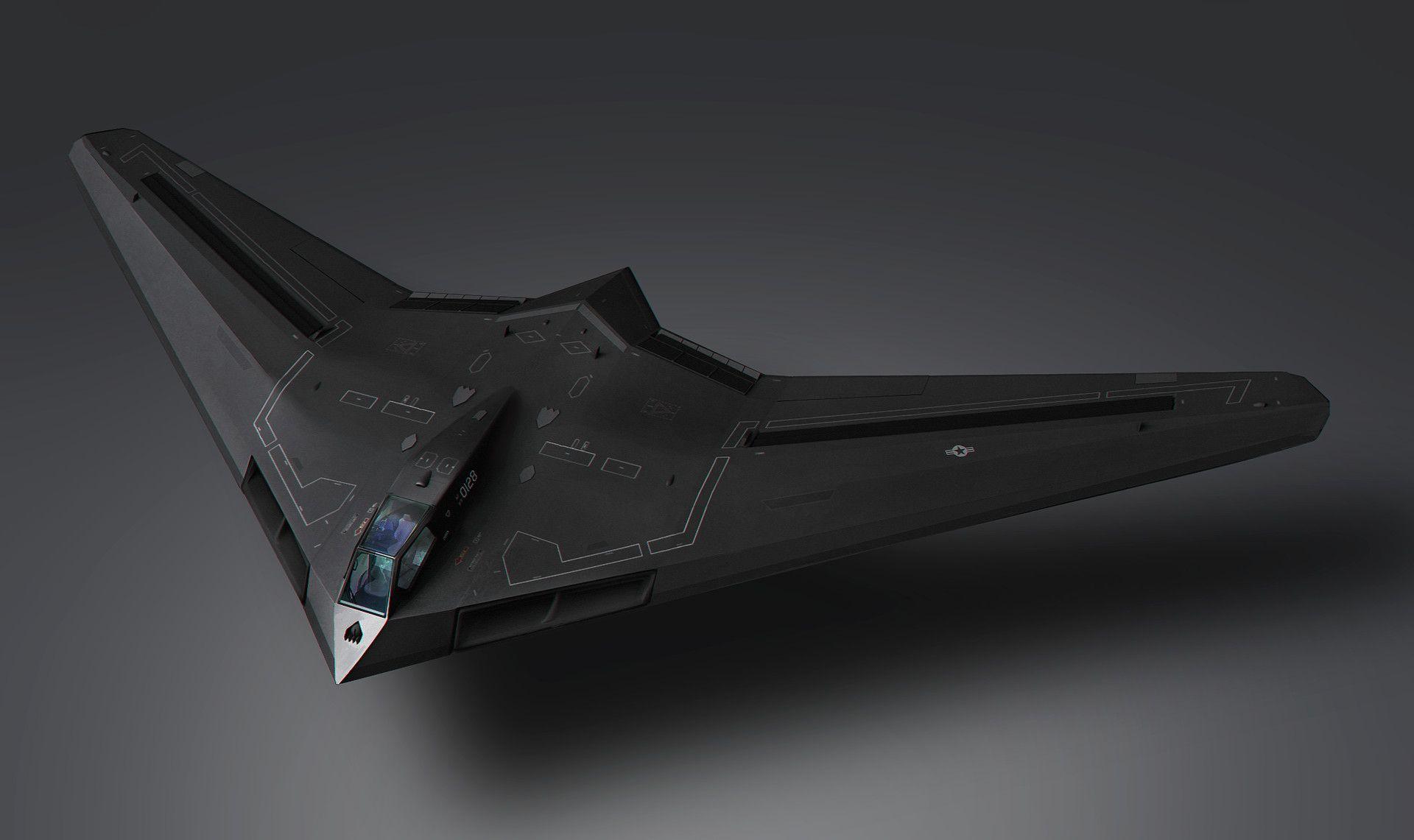
The world of private aviation is on the brink of a revolutionary shift, and it’s all thanks to the advancements in 3D printing technology. For years, the aircraft industry has been known for its reliance on traditional manufacturing methods, involving expensive tooling, labor-intensive processes, and long production times. However, 3D printing is changing the game, enabling manufacturers to create private jets faster, more efficiently, and with a level of customization previously unimaginable.
In this article, we will explore how 3D printing is impacting the private jet industry, the benefits it brings to manufacturers and customers alike, and how this cutting-edge technology is poised to shape the future of luxury air travel. From the creation of lightweight parts to the ability to design more personalized aircraft, 3D printing is ushering in a new era for private jet manufacturing.
The Basics of 3D Printing in Aircraft Manufacturing
3D printing, also known as additive manufacturing, involves creating objects layer by layer based on a digital model. This process contrasts with traditional manufacturing techniques, which often involve subtracting material from larger blocks. In the case of 3D-printed private jets, this technology allows manufacturers to produce components with intricate designs, reduced weight, and enhanced performance, all while keeping production costs in check.
In traditional aircraft manufacturing, companies use materials like aluminum, titanium, and composite materials to build complex parts. These parts are often produced in bulk and then assembled into the jet’s framework. In contrast, 3D printing allows manufacturers to build these parts directly, using a wide range of materials, including metals, plastics, and advanced composites. This method drastically reduces waste and can cut production times from months to weeks.
The Advantages of 3D Printing in Private Jet Manufacturing
The integration of 3D printing into the private jet manufacturing process offers a wide array of benefits, both in terms of efficiency and cost savings. Let’s take a closer look at some of the key advantages:
- Customization and Personalization: One of the most exciting aspects of 3D printing in the private jet industry is the ability to create highly customized components. Whether it’s designing bespoke interior furnishings, unique structural elements, or custom exteriors, 3D printing offers a level of flexibility that traditional manufacturing methods simply cannot match. Luxury private jet owners can work closely with designers to create one-of-a-kind jets that reflect their personal style and preferences. From seats and panels to custom logos and design motifs, 3D printing opens up a world of possibilities for creating a truly personalized flying experience.
- Reduced Costs: Manufacturing private jets is an expensive endeavor, with costs related to materials, labor, and production time adding up quickly. However, 3D printing can significantly reduce these expenses. By eliminating the need for traditional tooling and assembly lines, 3D printing cuts production costs and minimizes material waste. As a result, manufacturers can pass on some of these savings to customers, making private jets more accessible to a broader range of buyers. Additionally, the reduction in production time means that jets can be delivered faster, enabling customers to enjoy their new aircraft without long waiting periods.
- Enhanced Performance: One of the primary goals of aircraft manufacturing is to create lightweight yet durable components that improve the overall performance of the jet. 3D printing allows for the creation of lightweight, complex structures that reduce the overall weight of the aircraft without compromising its strength or safety. This results in more fuel-efficient jets, which not only lower operating costs but also have a positive impact on the environment by reducing carbon emissions. Furthermore, 3D printing allows manufacturers to optimize the design of parts for specific performance goals, whether that’s improving aerodynamics or enhancing structural integrity.
- Faster Production Times: Traditional aircraft manufacturing can take months, if not years, to complete. With 3D printing, however, manufacturers can create components more quickly and efficiently. Because 3D printing eliminates the need for expensive tooling and time-consuming assembly processes, jet manufacturers can significantly shorten production timelines. This faster turnaround time means that customers can take delivery of their private jets much sooner, reducing the waiting period and increasing overall customer satisfaction.
- Sustainability: As the private aviation industry continues to evolve, there is growing pressure to adopt more sustainable practices. 3D printing offers an eco-friendly alternative to traditional manufacturing methods by reducing waste and the need for excessive transportation of materials. Additionally, because 3D printing allows for the creation of lightweight components, the overall environmental impact of private jets can be minimized. By using advanced composite materials and other sustainable options, manufacturers can create more environmentally friendly aircraft that meet the growing demand for sustainable luxury travel.
3D Printing in Aircraft Interiors: Luxury Meets Technology
In addition to revolutionizing the way private jets are built, 3D printing is also transforming the way their interiors are designed. The ability to produce highly intricate and customized components means that private jet owners can enjoy an unprecedented level of personalization when it comes to the cabin layout, seating, and decor.
Jet interior design is often one of the most important aspects of luxury travel, and 3D printing allows designers to create unique pieces that are customized to the specific tastes of the owner. From custom seating arrangements to innovative storage solutions, 3D printing offers a very uniqueed flexibility in the design process. Clients can choose from a wide variety of materials, colors, and finishes to create a space that feels truly bespoke.
Additionally, 3D printing allows designers to explore more ergonomic seating options and layouts that maximize comfort without compromising on style. For example, 3D-printed seats can be designed with complex geometries to provide superior support, and the customization possibilities for the materials used in upholstery are virtually limitless. With 3D printing, private jet interiors can be transformed into luxurious, functional spaces that reflect the individual preferences of the owner.
Challenges and Considerations for 3D-Printed Private Jets
While 3D printing offers numerous advantages for the private jet industry, there are also challenges that must be addressed before this technology can be fully integrated into mass production. One of the main challenges is the need for regulatory approval. Aircraft manufacturing is heavily regulated by organizations such as the Federal Aviation Administration (FAA) and the European Union Aviation Safety Agency (EASA), and ensuring that 3D-printed components meet stringent safety and performance standards is essential.
Furthermore, while 3D printing is capable of creating complex parts, there are limitations when it comes to the materials that can be used. Aircraft components must be made from materials that can withstand extreme conditions, including high speeds, temperature fluctuations, and pressure changes. While advancements in 3D printing materials are progressing, there are still concerns about whether 3D-printed parts can meet the rigorous demands of the aerospace industry.
Finally, there is the challenge of scaling 3D printing technology for mass production. While 3D printing is ideal for creating customized, one-off components, it remains to be seen whether it can be adopted on a large scale to produce entire aircraft or large numbers of aircraft parts. As the technology matures and more manufacturers invest in 3D printing, these challenges will likely be overcome, but for now, the process remains more suitable for small-scale production and prototyping.
The Future of 3D-Printed Private Jets
Looking ahead, the future of 3D-printed private jets is incredibly promising. As technology continues to improve, it is likely that more and more private jet manufacturers will adopt 3D printing as a key part of their production process. Over time, we may see entire private jets being produced using 3D printing techniques, with components ranging from the fuselage and wings to the interior furnishings and even the engines.
The potential for further innovation is immense. As 3D printing technology advances, it is possible that new materials will be developed that are even lighter, stronger, and more durable than current options. This could lead to the creation of more efficient, sustainable, and high-performance private jets that push the boundaries of what’s possible in aviation.
Additionally, the ability to produce highly customized private jets using 3D printing could pave the way for a more democratized approach to luxury air travel. While private jets will always be a symbol of exclusivity, the use of 3D printing could allow for more personalized and affordable options that appeal to a wider range of clients.
Conclusion: A New Era for Private Jets
3D printing is revolutionizing the way private jets are manufactured, offering unprecedented opportunities for customization, efficiency, and sustainability. While there are still challenges to overcome, the potential for this technology to reshape the future of private aviation is enormous. From reducing production costs and time to creating luxurious, bespoke aircraft interiors, 3D printing is poised to usher in a new era of manufacturing for private jets, setting the stage for a future where air travel is faster, more sustainable, and more personalized than ever before.