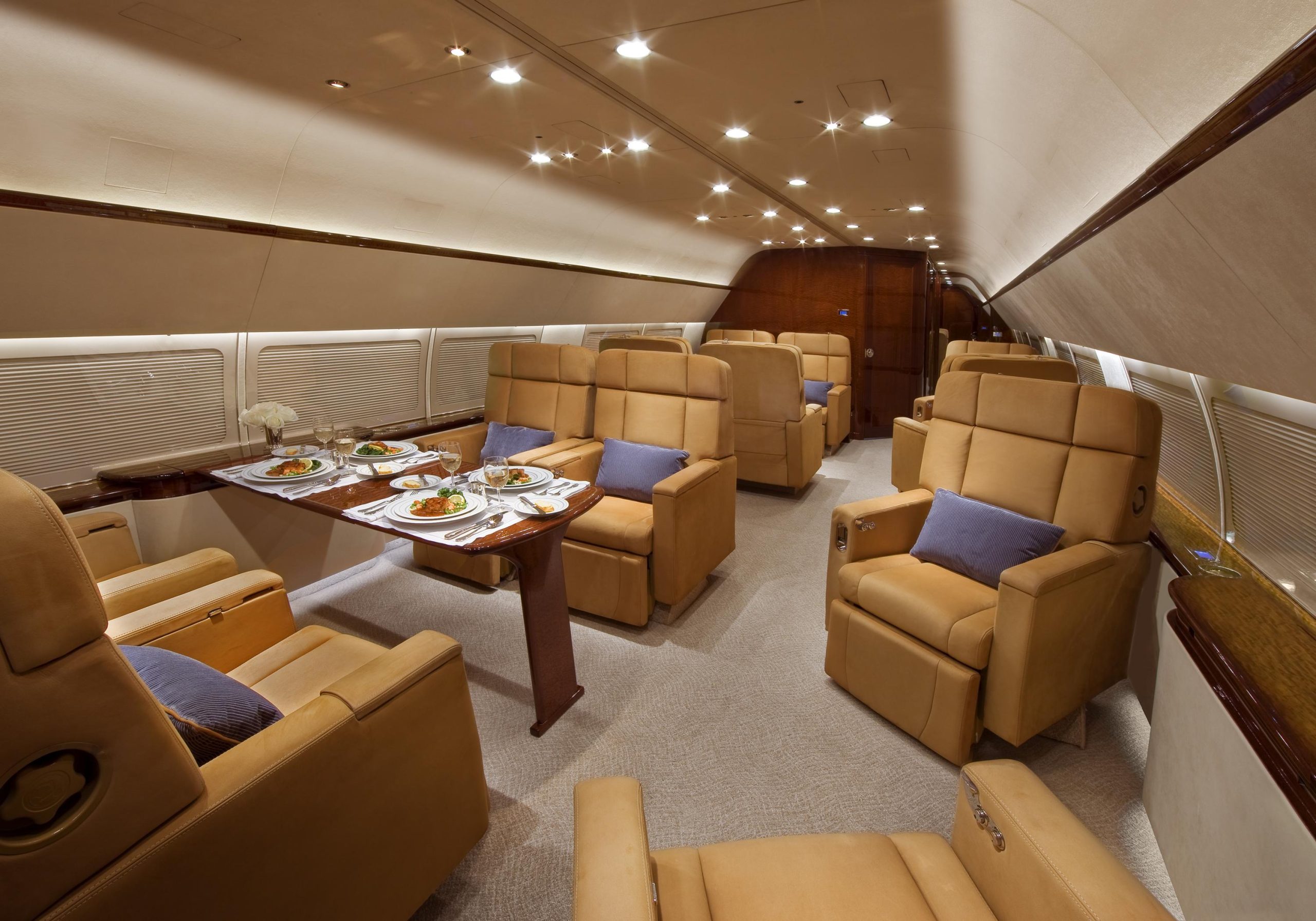
The aviation industry is constantly evolving, and with it, the passenger experience. One area where significant advancements are taking place is in-flight shopping. Traditionally, shopping during a flight has been limited to catalog-based offerings, with minimal personalization and interaction. However, the future of in-flight shopping is being reshaped by Artificial Intelligence (AI), enabling airlines to offer personalized, interactive, and immersive shopping experiences that cater to individual preferences and elevate the overall journey.
AI-powered personalized in-flight shopping experiences are not just about offering passengers a broader selection of goods; they are about creating a truly customized shopping journey. By leveraging AI technologies such as machine learning, data analytics, and augmented reality (AR), airlines can transform the in-flight shopping experience into a seamless, efficient, and enjoyable part of the journey. This article delves into the future of AI-driven in-flight shopping, its impact on passenger satisfaction, and the ways it will revolutionize the retail space in aviation.
AI-Driven Personalization: Tailoring the Shopping Experience
One of the most exciting possibilities that AI brings to in-flight shopping is the ability to personalize the entire experience for passengers. AI systems can analyze vast amounts of passenger data, such as previous shopping habits, flight history, preferences, and demographics, to curate a shopping experience that is unique to each individual.
For example, AI-powered systems can track what a passenger has previously purchased during their flights, understand their taste preferences, and recommend products that align with their style or interests. If a frequent flyer prefers high-end skincare products or tech gadgets, AI can prioritize these items in their shopping catalog or even notify them of special promotions related to their favorite brands. This level of personalization ensures that passengers are presented with relevant and enticing options, increasing the likelihood of purchases and enhancing the overall experience.
AI can also go a step further by incorporating predictive analytics, allowing airlines to suggest products based on factors like the passenger’s destination, flight duration, and even the time of year. For instance, a traveler heading to a tropical destination might be shown a selection of sun protection products, beachwear, or accessories customized to that environment. These personalized recommendations create a much more relevant and enjoyable shopping experience, transforming the traditional shopping model into a dynamic, highly adaptable service.
Seamless Integration with Onboard Technology
Another way that AI is enhancing the in-flight shopping experience is through seamless integration with onboard entertainment systems and mobile apps. AI-powered systems can be directly integrated with a passenger’s personal device or the in-flight entertainment system, enabling them to browse, select, and purchase items without leaving their seat.
For example, a passenger could use the touch screen on the back of the seat to access a customized shopping interface that features their personalized catalog. Alternatively, passengers can use their smartphones or tablets to browse products through the airline’s app, where AI algorithms suggest items based on their previous interactions and preferences. This seamless integration ensures that passengers can enjoy a hassle-free, intuitive, and user-friendly shopping experience, right from the comfort of their seat.
In addition, AI can provide real-time product updates, availability notifications, and even create limited-time offers to encourage impulse purchases. Passengers may also have the option to add products to their virtual shopping carts during the flight and make purchases at the end of the journey, reducing distractions and providing a smoother shopping experience.
Augmented Reality (AR) and Virtual Try-Ons
The potential of Augmented Reality (AR) in enhancing AI-powered personalized shopping experiences is another exciting development in the future of in-flight shopping. AR allows passengers to interact with products in a more immersive and engaging way, even while airborne.
For example, using a smartphone or tablet, a passenger can use AR to virtually try on items such as clothing, jewelry, or accessories. Instead of simply viewing a static image of a product, the passenger can see how it would look on them, creating a more dynamic and interactive experience. This not only boosts engagement but also increases the likelihood of purchases, as passengers can feel more confident in their decisions.
Furthermore, AR can be used to visualize how certain products might fit into a passenger’s lifestyle. For instance, a passenger considering purchasing a travel bag could use AR to see how the bag would look in a real-world context, such as sitting in the cabin with their other belongings or as part of their overall travel setup. This technology enables passengers to make more informed, satisfying purchases by giving them a closer look at how products would fit into their journey and daily life.
Voice-Activated Shopping Assistants
In addition to visual personalization, the rise of voice-activated AI assistants is set to play a major role in the in-flight shopping experience. Voice-controlled shopping interfaces are becoming more popular across all industries, and aviation is no exception. Passengers can simply speak to an AI-powered assistant to ask for recommendations, browse products, or make purchases without lifting a finger.
For example, a passenger might ask, “Show me luxury watches,” or “Find skincare products for dry skin,” and the AI assistant would display relevant products based on their preferences. Voice-activated AI assistants can also provide product descriptions, reviews, and even help with the checkout process. This technology makes the shopping experience more hands-free and convenient, especially for passengers who are relaxing or working during their flight.
AI-powered voice assistants can also enhance the passenger’s entire in-flight experience, not just shopping. They can assist with ordering meals, providing entertainment recommendations, or offering flight information, all through simple voice commands. This integration of AI across multiple aspects of the flight ensures that the entire journey is personalized and customized to the passenger’s needs.
Streamlined Payment Systems
AI’s role in simplifying the payment process for in-flight shopping is another important benefit. Traditional in-flight shopping typically requires passengers to fill out lengthy order forms or rely on crew members to process payments. With AI, however, passengers can enjoy a streamlined, automated payment system that is both fast and secure.
By integrating AI with digital wallets, contactless payment systems, and biometric authentication, airlines can allow passengers to complete transactions with minimal effort. For example, passengers can simply scan their fingerprints or face for secure biometric authentication and instantly complete the purchase. This frictionless payment process reduces transaction times and eliminates the need for passengers to carry cash or credit cards during the flight.
Additionally, AI can track passengers’ spending habits over time, offering them personalized loyalty rewards or discounts for frequent purchases. This creates a more rewarding and engaging experience for passengers while incentivizing them to shop more during their flights.
The Impact on Airline Revenue and Customer Loyalty
AI-powered personalized in-flight shopping doesn’t just benefit passengers; it also has significant implications for airlines and their revenue streams. By offering a more engaging and personalized shopping experience, airlines can increase sales and average spend per passenger. Passengers who feel that the shopping experience is customized to their preferences are more likely to make a purchase, especially if the items are relevant to their travel needs.
Moreover, the integration of AI-driven personalization can foster greater customer loyalty. Passengers who enjoy a highly personalized shopping experience are more likely to choose the same airline for future flights, leading to repeat business and increased brand loyalty. By providing customized products and services that meet passengers’ individual needs, airlines can create lasting relationships with their customers, enhancing overall satisfaction and brand perception.
The Future of In-Flight Shopping
The future of in-flight shopping lies in creating experiences that go beyond traditional retail. As AI technology continues to advance, airlines will be able to offer even more immersive, interactive, and highly personalized shopping experiences. From virtual reality (VR) shopping experiences to fully autonomous shopping systems, AI will play a central role in the evolution of in-flight retail.
By leveraging AI’s ability to analyze data, predict trends, and provide personalized recommendations, airlines will be able to offer passengers a shopping experience that feels truly unique and engaging. Whether it’s through voice-controlled assistants, virtual try-ons, or seamless payment systems, AI-powered shopping is set to revolutionize how passengers experience retail at 30,000 feet.