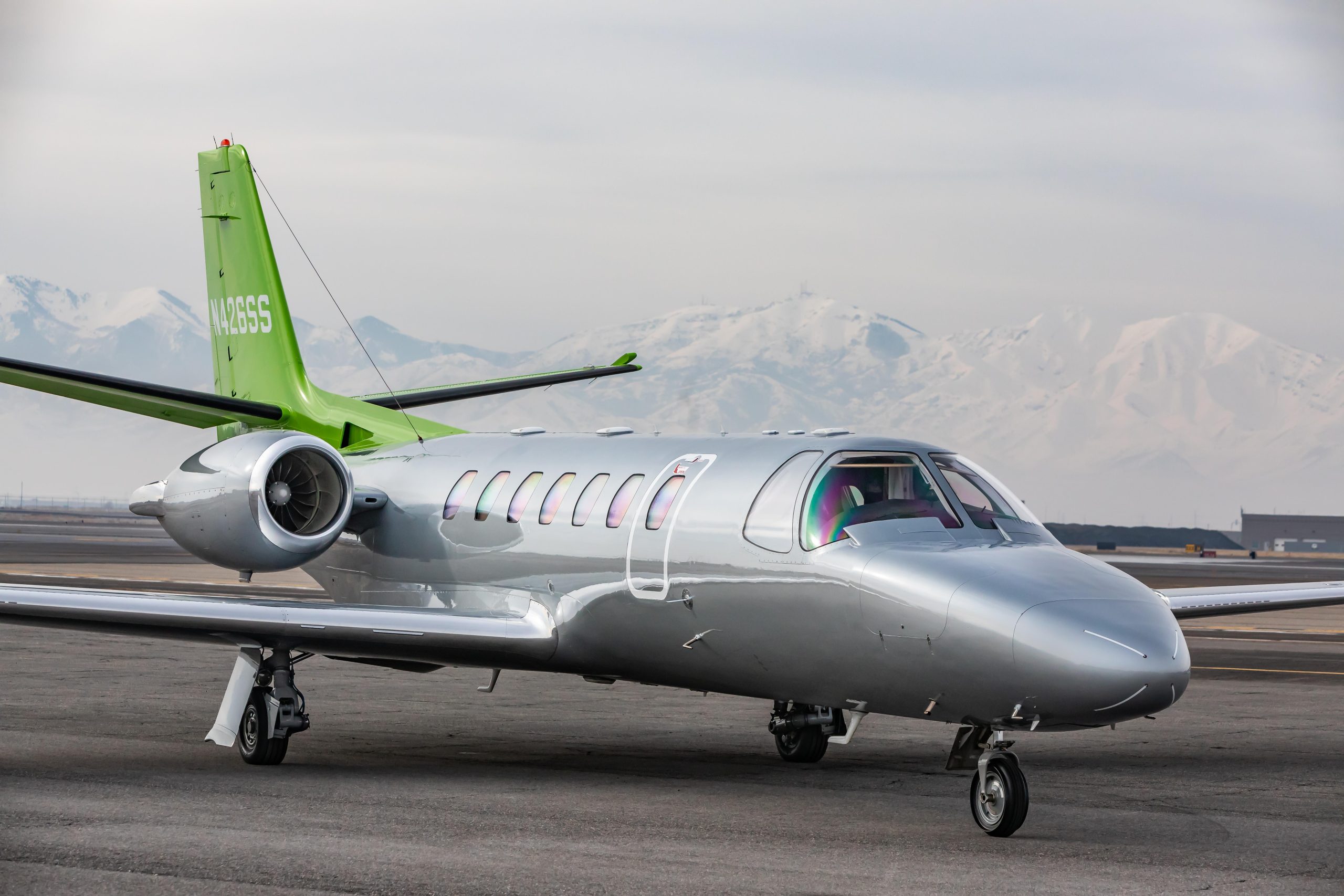
The story of private jets is one of innovation, ambition, and luxury. Today, private jets represent the maximum experience of elite travel, offering a very uniqueed convenience, privacy, and comfort. However, the road to the private jet industry’s current success was not always paved with high-flying achievements and sophisticated technology. The evolution of private jets from a concept to a mainstream reality has been a remarkable journey, one marked by visionary ideas, pioneering technological advancements, and the relentless pursuit of excellence. This article takes you on a journey through time, exploring the history of private jets, from their inception to the modern-day fleet that graces the skies.
The Origins of Private Aviation: A Visionary Dream
The roots of private aviation can be traced back to the early days of flight, long before private jets became a familiar sight in the skies. The concept of private aviation first emerged in the 1920s and 1930s, during the golden age of flight. At that time, aircraft were primarily designed for military use or commercial air travel, with limited options for personal flying.
The idea of private flight, however, was already taking shape. Wealthy individuals and businessmen started to charter aircraft for personal use, paying top dollar to enjoy the luxury and convenience of private air travel. While these early aircraft were not private jets in the modern sense, they were the first steps toward realizing a vision of individualized air travel. These early private aviation services used modified commercial airliners, making it possible for wealthy travelers to bypass the constraints of commercial flights and enjoy the comfort of private air travel.
The aviation industry in the early 20th century was still in its infancy, and the technology to create dedicated private jets simply did not exist. Still, the idea of private air travel began to take hold, driven by the demand for luxury, convenience, and speed.
The Birth of the Private Jet: Post-War Innovation
The post-World War II era marked a significant turning point in the development of private jets. The war had led to a surge in aviation technology, and aircraft design had made huge advancements. In the aftermath of the war, many of these innovations found their way into civilian aviation, including the development of aircraft that could cater to a select group of passengers seeking a higher level of luxury and privacy.
In the late 1940s and early 1950s, commercial airliners were being designed for mass travel, and the luxury market began to take notice. In 1958, the very first business jet, the Cessna 500, was introduced. The Cessna 500 was a revolutionary step forward, offering a smaller, more efficient aircraft that was able to transport passengers in greater comfort than ever before. This aircraft, while small by today’s standards, represented the birth of the private jet as we know it today.
At the same time, other manufacturers were exploring the possibilities of luxury aviation. The Learjet 23, which was introduced in 1963, was another milestone in the development of private jets. The Learjet was the first true private jet designed specifically for business and personal travel. Its sleek design and speed made it the go-to aircraft for corporate executives and high-net-worth individuals looking to travel in style.
The Learjet 23, produced by the company Learjet, became synonymous with private aviation, as it offered a level of luxury and efficiency that was previously unavailable. Its success helped pave the way for the boom in private jet travel that would follow in the decades to come.
The Rise of the Corporate Jet
As the 1960s and 1970s progressed, the demand for private jets grew significantly, and the corporate world began to embrace this mode of travel. With the advent of business jets, executives and high-level corporate officers no longer had to rely on commercial flights for business trips. Companies began purchasing their own jets, making it easier to attend meetings, visit clients, and manage international business operations.
The 1970s saw the introduction of some of the most iconic business jets ever made, including the Gulfstream I (1970) and the Gulfstream II (1977). Gulfstream’s jets, with their advanced design and luxurious interiors, became a symbol of success and power. The Gulfstream III (1980), a larger, more sophisticated model, became a favorite among corporate leaders and entrepreneurs, solidifying Gulfstream’s reputation as the go-to manufacturer for business jets.
By the 1980s, business aviation had exploded into a multi-billion-dollar industry, with private jet ownership becoming increasingly accessible to the ultra-wealthy. More manufacturers, such as Bombardier and Dassault Falcon, began to enter the market with new designs, offering even greater speed, range, and luxury. The Bombardier Challenger 600, introduced in the early 1980s, was one of the most successful business jets of the time, known for its spacious cabin and impressive range.
As the corporate jet market grew, the aviation industry responded by developing new and innovative aircraft designed to meet the specific needs of business travelers. These jets offered features such as conference rooms, fully equipped kitchens, and even bedrooms, ensuring that passengers could work, relax, and sleep in absolute comfort.
The Expansion of the Private Jet Market
As the 1990s and 2000s approached, the private jet market began to diversify even further. The rise of the Fractional Jet Ownership model, pioneered by companies like NetJets, allowed individuals and businesses to purchase shares in private jets, making it possible to experience private aviation without the full cost of ownership. This model dramatically expanded the market for private jets, allowing more people to access the luxury of private flight.
In addition, the growing influence of the tech industry and the increase in global travel made private aviation even more appealing. As the world became more interconnected, executives and entrepreneurs relied on private jets to efficiently travel to multiple cities, countries, or continents in a short amount of time. The increasing pace of modern business, combined with the demand for privacy and exclusivity, fueled the continued rise of the private jet market.
The early 2000s saw the introduction of larger, more luxurious jets, with aircraft like the Bombardier Global Express and the Dassault Falcon 7X offering longer ranges, more comfortable interiors, and the ability to reach destinations that were previously out of reach for many private jet owners.
The Future of Private Jets: Innovation and Sustainability
As we move into the 21st century, the private jet industry continues to evolve, with new technologies and innovations shaping the future of private aviation. In recent years, the industry has embraced new technologies that focus on making private jets even more efficient, eco-friendly, and luxurious.
The development of electric and hybrid-electric aircraft is a promising frontier, offering a potential solution to the environmental concerns surrounding aviation. Aircraft manufacturers are investing in sustainable aviation fuel (SAF) and exploring ways to reduce the carbon footprint of private jets. As the technology advances, it is likely that private jets will become more environmentally responsible, without sacrificing the luxury and privacy that passengers expect.
Furthermore, the rise of urban air mobility and vertical take-off and landing (VTOL) aircraft may revolutionize private aviation even further, allowing for faster travel over short distances and providing greater flexibility for business and leisure travelers alike. These innovations promise to further expand the accessibility and convenience of private aviation, making it possible for people to travel more efficiently and sustainably.
In addition to technological advancements, the private jet experience is becoming more personalized. From luxury concierge services to customized in-flight dining experiences, private jets now offer a level of customization that was once unimaginable. As travelers seek unique and personalized experiences, the private jet industry continues to adapt, offering passengers bespoke services that meet their every need.
Conclusion
The history of private jets is a story of innovation, vision, and ambition. From the early days of modified commercial aircraft to the sleek, state-of-the-art jets of today, private aviation has evolved from a luxury reserved for the elite to a growing industry that continues to shape the way we travel. Through decades of technological advancements, visionary leadership, and an ever-increasing demand for privacy and luxury, private jets have become the ultimate symbol of freedom, convenience, and exclusivity.
As the industry looks to the future, the legacy of the pioneers who first envisioned private aviation lives on, with continued innovation driving the evolution of private jets. Whether it’s through sustainable technologies, personalized experiences, or new forms of flight, the history of private jets is far from over. It is a history that continues to unfold, soaring to new heights with every innovation.