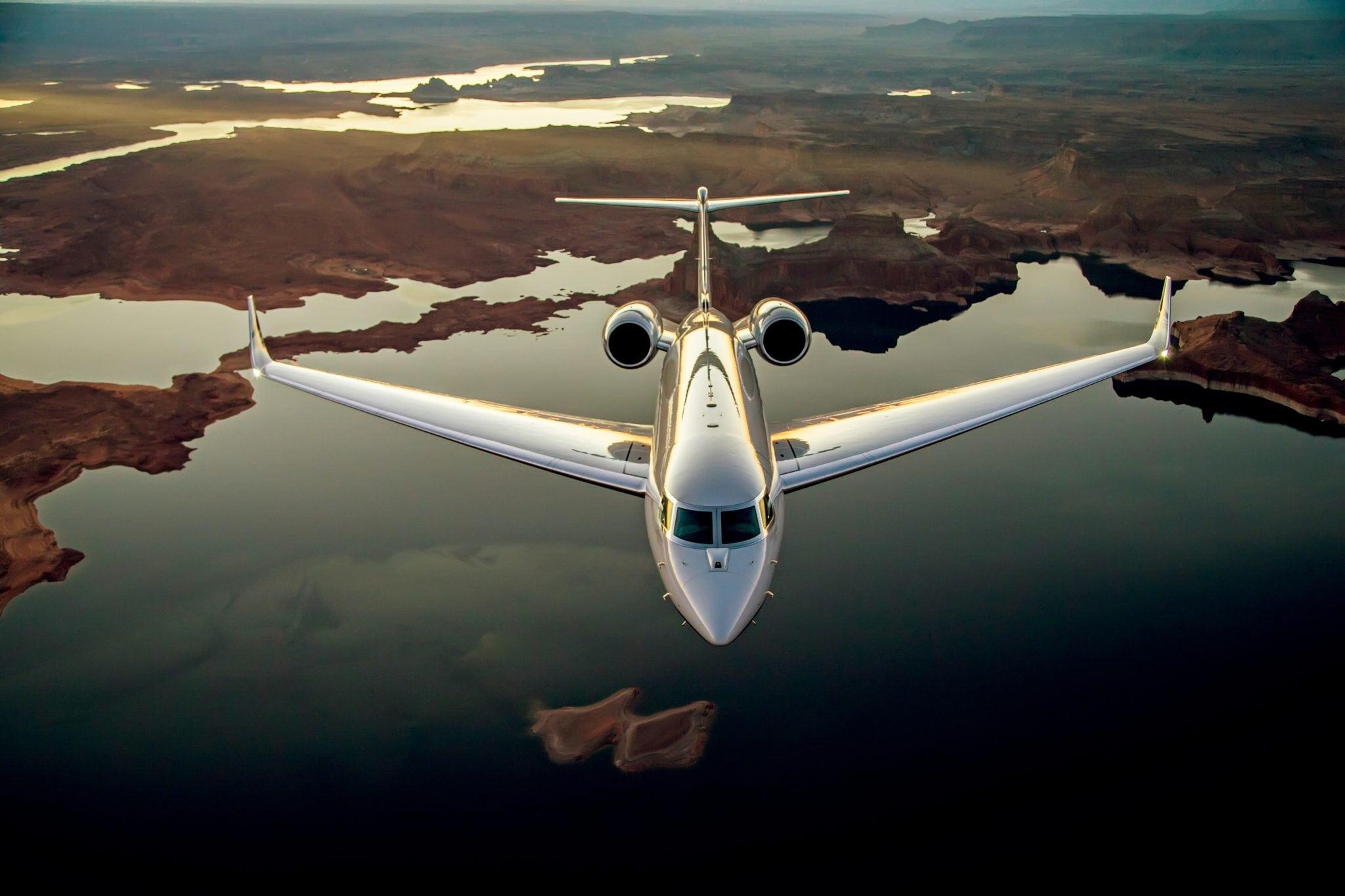
Artificial intelligence is revolutionizing emergency response systems in aviation, particularly for private jets. Unlike commercial aircraft, which operate within structured air traffic systems, private jets often fly under less regulated conditions. This makes advanced AI-based emergency response systems critical for ensuring safety in distress situations. These systems leverage real-time data processing, predictive analytics, and automated decision-making to enhance pilot situational awareness and response efficiency.
AI-powered systems integrate various technologies, including machine learning algorithms, satellite communication, and sensor fusion. They analyze multiple factors, such as weather conditions, mechanical failures, and pilot behavior, to predict potential emergencies before they escalate. By using historical data and pattern recognition, AI can recommend optimal emergency protocols customized to specific distress scenarios.
One key advantage of AI-driven emergency response is its ability to minimize human error. In high-stress situations, pilots may struggle to make split-second decisions. AI assists by providing real-time diagnostic insights, recommending emergency landing sites, and even autonomously managing flight controls when necessary. These capabilities significantly reduce response time, increasing the likelihood of a safe outcome.
Furthermore, AI-based systems enhance automated communication between the aircraft, air traffic control, and emergency response teams. In the event of a distress signal, AI can instantly transmit vital flight data, such as altitude, location, and aircraft condition, ensuring that response teams receive accurate information without pilot intervention. This feature is particularly crucial when pilots are incapacitated or unable to relay information effectively.
Another critical aspect of AI-enhanced emergency management is its predictive maintenance capabilities. By continuously monitoring an aircraft’s components, AI can detect early signs of mechanical issues and alert operators before failures occur. This proactive approach not only enhances safety but also reduces operational costs by preventing expensive repairs and unplanned downtime.
Modern AI-driven systems also incorporate natural language processing (NLP) to improve cockpit interactions. Voice-activated AI assistants can help pilots navigate emergency procedures, interpret checklists, and execute essential commands without the need for manual inputs. This hands-free functionality is invaluable when pilots must focus entirely on controlling the aircraft.
The integration of AI in private jet emergency systems is not just limited to onboard technology. Cloud-based AI platforms connect aircraft data with global aviation networks, allowing operators to access real-time analytics and receive instant recommendations from ground-based AI support teams. This connectivity enhances decision-making, ensuring that pilots receive expert guidance even in remote locations.
Despite the immense benefits, AI adoption in aviation safety presents challenges. Cybersecurity risks, regulatory compliance, and pilot trust in automated systems remain primary concerns. Ensuring AI-driven emergency response systems meet stringent aviation safety standards is essential for widespread adoption. Moreover, continuous machine learning updates are required to improve AI accuracy and adaptability in evolving emergency scenarios.
Looking ahead, advancements in AI and quantum computing could further refine emergency response capabilities. Future AI models may incorporate autonomous piloting features, advanced computer vision systems, and real-time biometric monitoring to assess pilot health. These innovations will continue to push the boundaries of safety in private jet operations, making air travel more secure and efficient.
In conclusion, AI-based emergency response systems are transforming private jet safety by providing real-time analytics, predictive maintenance, and automated crisis management. As AI technology continues to evolve, its role in aviation safety will become even more indispensable, ensuring that pilots and passengers remain protected in all flight conditions.