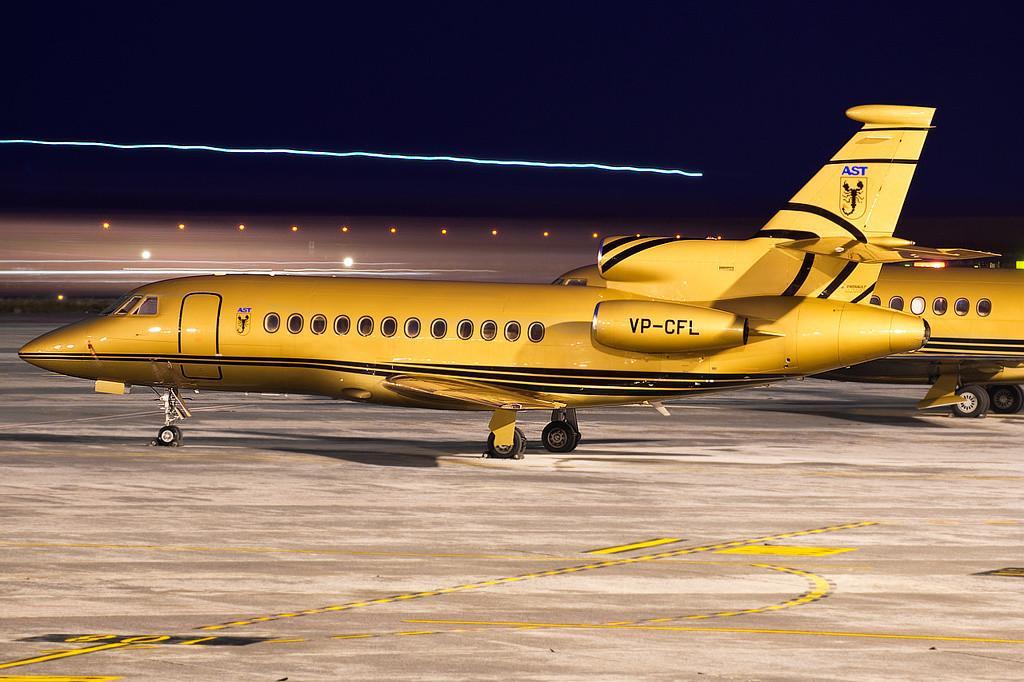
The future of air travel is increasingly leaning toward a more personalized, luxurious experience. In this context, AI-driven smart private jet lounges are poised to revolutionize the way passengers spend their time before and after flights. By integrating cutting-edge artificial intelligence, these lounges will go beyond the conventional, offering a truly bespoke environment that adapts to the moods, preferences, and specific needs of every traveler.
This article dives into how AI-powered smart lounges are changing the landscape of private aviation, and what benefits they bring to private jet passengers looking for a more customized and immersive experience.
What Are AI-Driven Smart Private Jet Lounges?
AI-driven smart private jet lounges are spaces designed to offer the highest level of comfort, convenience, and personalization for private jet travelers. Unlike traditional lounges, these spaces use AI technology to adapt dynamically to the mood, behavior, and preferences of passengers. This allows for an experience that feels uniquely customized to each traveler, with the environment and services adjusting in real time to fit their emotional state and needs.
These smart lounges are equipped with various AI-powered systems, including mood detection, environmental controls, and personalized services. They may also offer features like augmented reality entertainment, smart food and beverage ordering, and relaxation tools, all designed to create an atmosphere that enhances passenger well-being and satisfaction.
How Do AI-Driven Smart Private Jet Lounges Work?
The functionality of AI-driven smart private jet lounges revolves around the integration of various smart technologies that enable these spaces to understand and respond to the needs of passengers. Here’s how they work:
- Mood Detection & Emotional Intelligence
At the core of an AI-driven lounge is its ability to detect passenger moods through advanced emotion recognition technology. Using a combination of sensors, facial recognition, and machine learning, the system is able to assess the emotional state of a passenger based on their behavior, posture, facial expressions, and even voice tone.
For example, if a passenger appears stressed or anxious, the system will detect these emotional cues and adapt the environment to promote relaxation. This could include dimming the lights, playing soothing music, or releasing calming scents. On the other hand, if a passenger seems upbeat or energized, the system might brighten the space, select an upbeat playlist, and offer more stimulating activities.
- Adaptive Environmental Controls
AI-powered smart lounges are designed to adapt the environment to match the preferences of the passenger. The environmental controls are integrated into the system and can adjust various factors, such as:
Lighting: The AI system can alter the brightness, color, and intensity of the lighting based on the time of day or the passenger’s mood. For example, if the system detects that the passenger is tired or preparing for sleep, it will gradually adjust the lighting to a warmer, dimmer setting to promote relaxation.
Temperature: AI can also regulate the temperature, offering passengers the ideal climate based on their preferences or the ambient conditions in the lounge.
Sound: Ambient sound levels can be modified, either by reducing background noise for a more peaceful experience or increasing it for more energetic, upbeat environments.
- Personalized Entertainment & Content Suggestions
Gone are the days of having to scroll through endless entertainment options to find something that suits your mood. AI-driven lounges will automatically suggest personalized content based on the passenger’s preferences, whether it’s movies, music, news, or even wellness activities.
If the system detects that the passenger is stressed or anxious, it might recommend calming meditation sessions or soothing music playlists. If the passenger is in a more energetic or creative mood, the system might suggest engaging activities, such as watching an exciting movie, reading the latest news, or viewing interactive travel experiences through augmented reality.
- Smart Food & Beverage Ordering
AI-powered smart lounges also extend personalization to dining and beverages. Passengers no longer need to interact with staff to decide what they want; instead, the AI system will take care of it based on their preferences, dietary restrictions, and emotional state. The system can suggest food or drinks that align with the passenger’s current mood or health needs.
For example, if the system detects that the passenger is feeling tired, it might offer a healthy snack or a revitalizing beverage, like a fresh juice or herbal tea. Alternatively, if the passenger is feeling social and energetic, it could offer appetizers, cocktails, or even a custom meal prepared to their specific tastes.
- Virtual Concierge Services
AI-powered lounges offer seamless concierge services that cater to every passenger’s need, whether they require flight updates, transportation arrangements, or personal requests. The system can help manage a range of tasks, from confirming flight details and handling luggage, to making dinner reservations or arranging for a spa treatment.
Virtual concierge services are also powered by natural language processing (NLP), allowing passengers to make requests via voice or text commands. The AI can interact with passengers in a conversational manner, offering suggestions and managing tasks effectively.
- Relaxation & Wellness Tools
One of the most exciting features of AI-driven private jet lounges is the availability of wellness tools customized to the passenger’s current state of mind. Using predictive analytics, the system can suggest wellness activities, such as:
Breathing exercises: Based on the mood of the passenger, the system can prompt relaxation exercises to reduce stress or anxiety.
Sleep aids: For passengers who might be jetlagged, the system can adjust lighting, temperature, and offer calming sounds to help them relax before the flight.
Massage chairs or relaxation pods: For passengers seeking physical relaxation, the system can suggest an available seat in a smart massage chair or direct them to a wellness pod for a rejuvenating break.
Key Benefits of AI-Driven Smart Private Jet Lounges
The integration of AI into private jet lounges offers several compelling benefits for passengers:
- A Fully Personalized Experience
AI-driven lounges offer a level of personalization that has never been possible before. By adapting to each individual’s emotional state, preferences, and needs, these lounges create an atmosphere that feels truly custom-made. From environmental controls to entertainment and food options, everything is customized to ensure passengers feel their best.
- Improved Emotional Well-Being
The ability of the lounge to detect and respond to emotional cues ensures that passengers feel more relaxed and at ease. Whether they need to unwind, feel energized, or engage in activities that help them focus, the AI-powered systems are there to guide them. This leads to an overall improved sense of well-being during the often stressful pre-flight or post-flight waiting periods.
- Convenience and Seamless Service
AI-driven lounges remove the need for passengers to manually request services. The system can anticipate needs and automatically adjust the environment, suggest activities, or offer food and drinks based on the current emotional and physical state of the traveler. This creates a seamless and frictionless experience for passengers.
- Enhanced Comfort
By continually adjusting the lounge environment based on real-time feedback, AI ensures that passengers experience maximum comfort during their stay. Whether it’s through temperature regulation, lighting adjustments, or personalized soundscapes, every aspect of the lounge is optimized to create an inviting and relaxing atmosphere.
The Future of AI-Driven Smart Private Jet Lounges
As AI technology continues to evolve, the potential for smarter, more intuitive private jet lounges will only expand. We can expect these lounges to integrate even more advanced technologies, such as biometric identification for seamless entry, augmented reality for immersive experiences, and more advanced wellness features that monitor and address the passenger’s health needs in real time.
Additionally, AI may offer even more advanced predictive capabilities, allowing lounges to anticipate passengers’ needs before they even express them, further elevating the luxury travel experience.
Conclusion
AI-driven smart private jet lounges represent the future of personalized air travel. By integrating cutting-edge technologies, these lounges can adapt to passengers’ moods, preferences, and needs, offering a level of service and comfort that is a very uniqueed in the aviation industry. As AI technology continues to evolve, we can expect even more advanced, intuitive, and personalized experiences in private aviation, making every moment of the journey smoother, more enjoyable, and more luxurious.