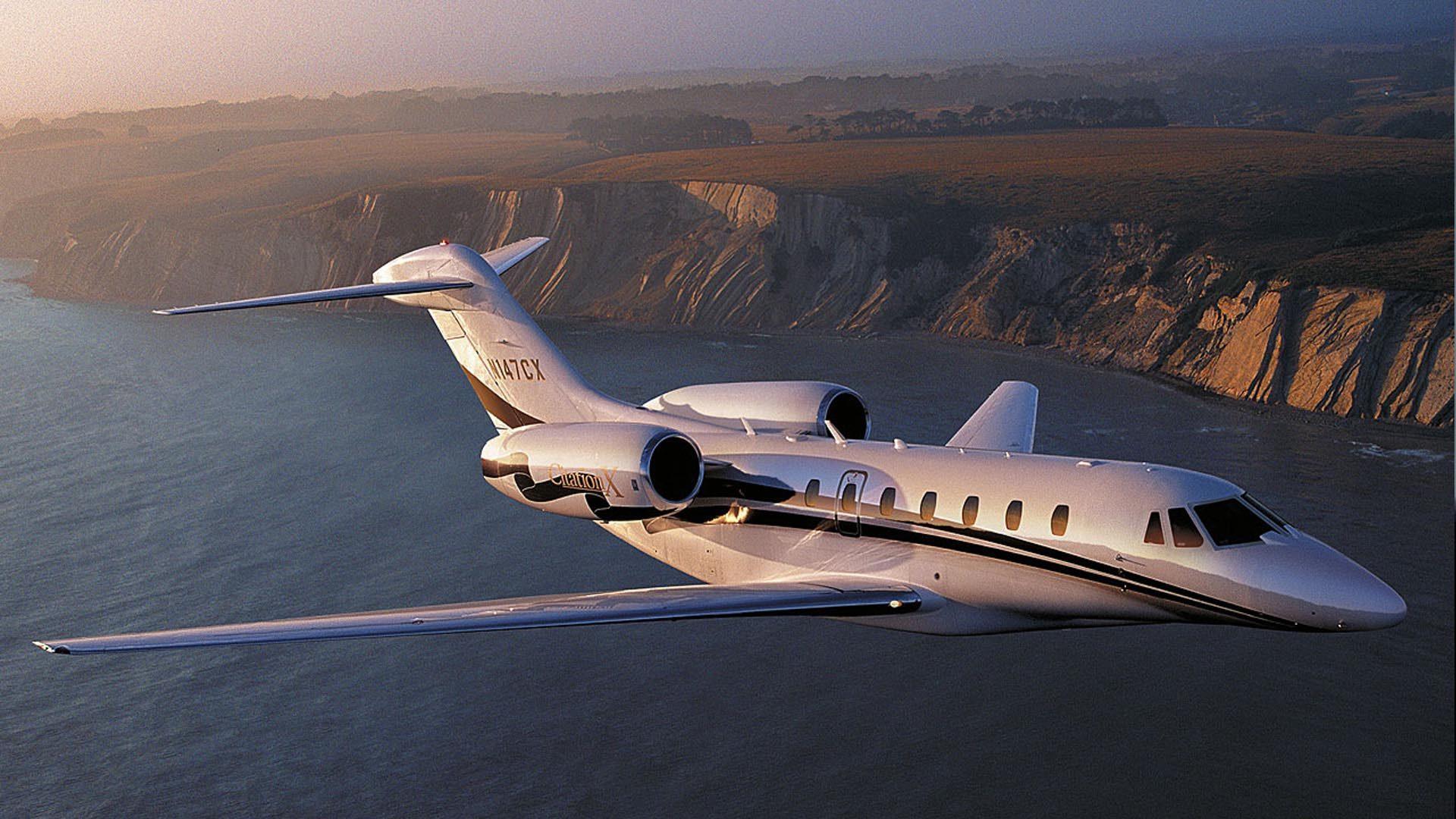
Introduction: The Intersection of AI and Luxury Aviation
AI and the Future of Customization
Traditionally, the design of private jet interiors has been a lengthy process, often involving a combination of specialized architects, designers, and engineers working in close collaboration with jet owners to create a bespoke space. While the results are undoubtedly luxurious, the process itself can be time-consuming, expensive, and limited in terms of how quickly changes can be made. Enter AI: this advanced technology is poised to revolutionize the way custom private jet floor plans are generated.
AI algorithms can analyze the specific needs and preferences of passengers, creating dynamic and personalized floor plans that cater to individual tastes. Whether it’s the size of the cabin, seating arrangements, the integration of workspaces, or even storage solutions, AI allows for more efficient and precise design. Through machine learning, AI systems can continuously refine these designs based on real-time data and feedback, ensuring that every jet interior meets the exacting standards of its owner.
How AI Generates Custom Floor Plans
The process of AI-generated floor plan design begins with gathering data from multiple sources. Owners of private jets will input their specific requirements, including desired features such as the number of bedrooms, lounges, bathrooms, and workspaces. AI systems then analyze this data in conjunction with other parameters, such as aircraft size, weight limitations, and material constraints.
Once the data is processed, AI uses advanced algorithms to generate several design proposals. These proposals are highly adaptable, allowing for immediate changes and adjustments based on the owner’s preferences. AI-generated designs can suggest optimal layouts for passenger flow, comfort, and space utilization while also considering the weight distribution needed for flight safety.
AI systems also incorporate the latest trends in design, ensuring that each jet is equipped with state-of-the-art features. Whether it’s smart lighting systems that adapt to the time of day, or advanced noise-reduction technologies that enhance comfort, AI can automatically incorporate the latest innovations into the floor plan. This ensures that the private jet remains not just a mode of transportation, but a fully immersive and luxurious experience.
Advanced Customization and Passenger Experience
One of the most compelling aspects of AI-generated custom floor plans is the level of personalization it offers. While traditional design processes certainly allow for customization, they often involve a back-and-forth dialogue between the client and designer, with multiple rounds of revisions. AI, however, allows for a more fluid and immediate response to passenger feedback.
For instance, if a jet owner wants to make their workspace more productive, AI can suggest layout changes that allow for better natural light, more ergonomic furniture, or even enhanced connectivity options. If the owner frequently travels with family, AI can reconfigure the cabin to include additional space for entertainment or sleeping arrangements, creating a family-friendly atmosphere that meets all of their needs.
Furthermore, AI doesn’t just focus on aesthetics and layout; it also prioritizes functional aspects of design. For example, the system can integrate features like automatic temperature control, air filtration systems, and noise-cancellation technologies. These elements can be seamlessly incorporated into the design to ensure the cabin remains comfortable and conducive to both relaxation and productivity.
Material Selection and Weight Optimization
Another key advantage of AI in custom floor plan generation is its ability to select materials that balance luxury with efficiency. The weight of the materials used in jet interiors is crucial, as heavier materials can impact the fuel efficiency and overall performance of the aircraft. AI can optimize the material selection process by recommending lighter alternatives without compromising on quality or aesthetics.
Advanced algorithms can evaluate the structural integrity of different materials, as well as their environmental impact. For example, sustainable materials that reduce the carbon footprint of the aircraft can be prioritized in the design. Additionally, AI can suggest materials that offer enhanced durability or are resistant to wear and tear, helping to extend the life of the jet interior.
Real-Time Adjustments and Future-Proofing
One of the most exciting prospects of AI-generated private jet floor plans is the ability to make real-time adjustments. In the past, any change to a private jet’s design would require a lengthy and expensive renovation process. However, AI allows for near-instantaneous adjustments based on passenger feedback or changes in functionality. For example, if the owner wishes to reconfigure the cabin to include an additional entertainment area or workspace, AI can quickly generate a new floor plan and provide recommendations for optimizing the layout.
This ability to adapt quickly means that private jets are no longer locked into a static design. As technology and passenger needs evolve, the jet can evolve along with them. Additionally, AI can “future-proof” the designs by anticipating future trends in materials, technologies, and passenger preferences. This allows private jets to remain at the cutting edge of luxury travel for years to come.
Enhancing Privacy and Security
Another critical aspect of private jet design is privacy and security. For many owners, their private jet is not just a mode of travel but a sanctuary where they can enjoy complete privacy. AI can play a role in ensuring that the design of the cabin reflects these needs. From soundproof walls to advanced lighting systems that enhance privacy, AI can create a space that is customized to the passenger’s desire for solitude.
Furthermore, AI can integrate state-of-the-art security systems into the design. For example, biometric scanners could be integrated into doorways to ensure that only authorized passengers have access to certain areas of the jet. Advanced encryption systems could also be embedded into the jet’s communications infrastructure, allowing for secure conversations and data transfer during the flight.
Challenges and Limitations
While the potential of AI-generated private jet floor plans is undoubtedly exciting, there are still challenges to overcome. One of the primary challenges is ensuring that AI systems can accurately capture the needs and preferences of jet owners. While AI can analyze vast amounts of data, it may still struggle to account for the intangible aspects of design, such as personal taste or emotional comfort.
Another limitation is the need for collaboration between AI and human designers. While AI can generate optimized designs, it still requires the input of skilled human designers to ensure that the final result meets the owner’s expectations. AI-generated designs are best viewed as a starting point that can then be refined and fine-tuned by professionals.
Conclusion: The Future of Custom Jet Interiors
As AI continues to evolve, the future of private jet design will be more personalized, efficient, and luxurious than ever before. The ability to generate custom floor plans using AI has the potential to revolutionize the way private jets are designed and experienced. By offering greater customization, optimizing space and materials, and ensuring that every detail is customized to the individual passenger, AI will redefine the luxury air travel experience.
As technology progresses, private jets will continue to evolve, blending cutting-edge design with a very uniqueed comfort and convenience. For those seeking the ultimate in personalized travel, AI-generated custom floor plans will offer a level of flexibility and innovation that was previously unimaginable, ensuring that the future of private aviation remains firmly rooted in the pursuit of luxury, efficiency, and personalization.