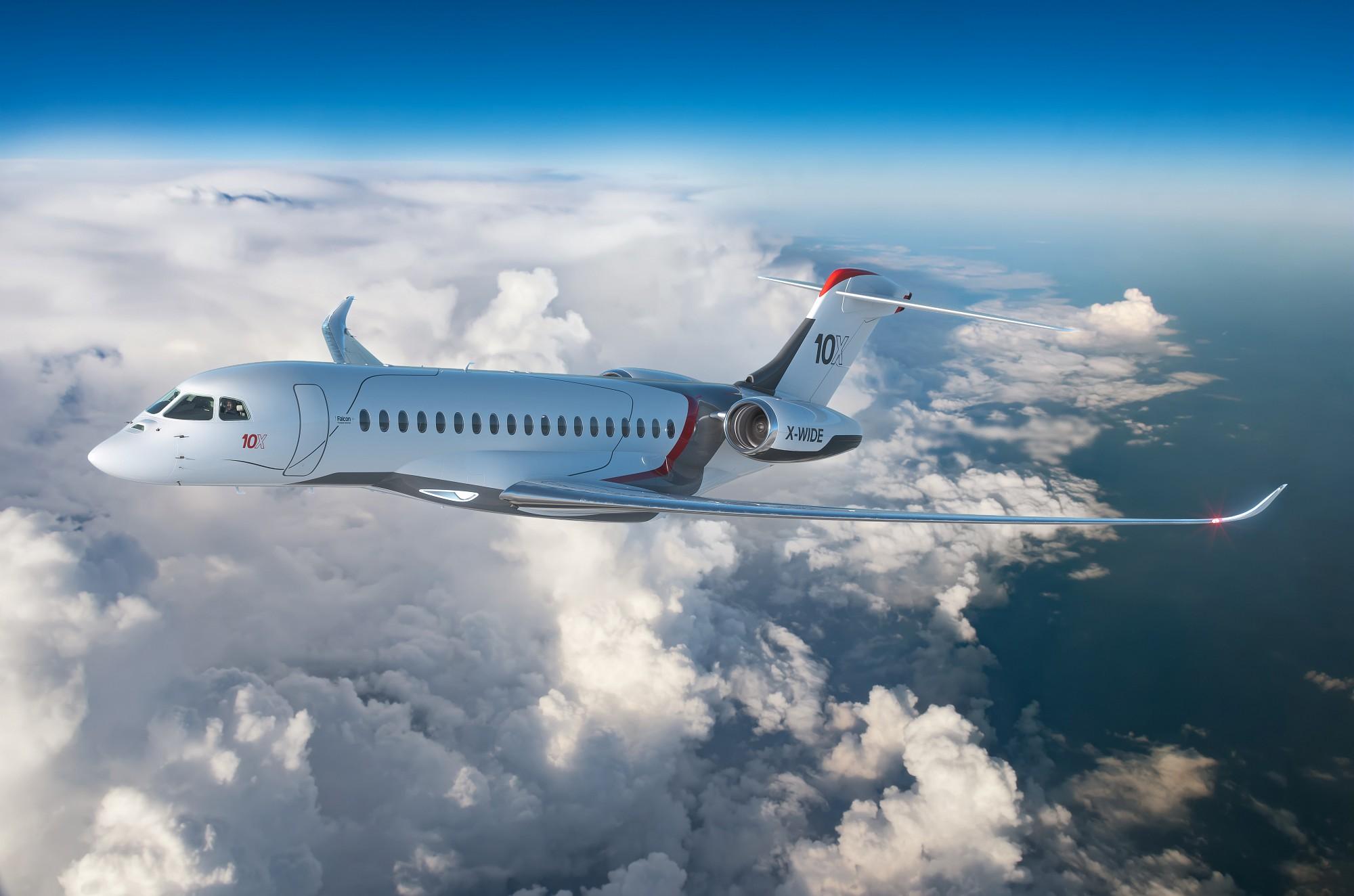
In the world of private aviation, time is one of the most valuable assets. For private jet owners and passengers, delays are not just inconvenient, they can disrupt tight schedules, cause stress, and detract from the overall experience of luxury air travel. To address this issue, AI-optimized private jet departure scheduling has emerged as a revolutionary solution that guarantees on-time departures with a very uniqueed precision. By leveraging the power of artificial intelligence (AI) and machine learning (ML), this technology streamlines flight operations, enhances efficiency, and ensures that each departure occurs without delay.
The Challenges of Private Jet Scheduling
Private jet travel is often seen as the summery of convenience and flexibility, offering passengers the ability to fly on their own schedules. However, behind the scenes, scheduling private jet departures can be a complex task. Several factors contribute to delays in private jet travel, including:
Air Traffic Control (ATC) Restrictions: Even private jets must contend with ATC regulations and congestion in busy airspace, which can result in takeoff delays.
Weather Conditions: Weather can change rapidly, affecting the availability of flight windows and requiring last-minute adjustments to flight plans.
Ground Operations: Coordination between the aircraft, ground crew, and catering services is crucial to timely departures, and any misstep can cause delays.
Fueling and Maintenance: Pre-flight checks, refueling, and maintenance tasks are essential for safe travel but can sometimes take longer than expected.
Despite the convenience of private jets, these challenges often lead to unscheduled delays, disrupting the passenger’s journey and experience. However, AI-optimized scheduling offers a solution to these problems, ensuring that the entire process is handled seamlessly, with no room for error.
How AI Optimizes Private Jet Departure Scheduling
AI optimization in private jet departure scheduling uses advanced algorithms, data analytics, and machine learning techniques to analyze a variety of real-time and historical data points, making the scheduling process more accurate and efficient. By integrating all the variables involved, AI systems can predict potential delays and offer proactive solutions. Here’s how AI contributes to zero-delay departures:
- Real-Time Data Integration
AI systems are designed to process vast amounts of real-time data, including weather conditions, air traffic patterns, and airport congestion. By analyzing this data continuously, AI can identify the best possible departure time, minimizing wait times and adjusting to any changes in real-time.
For example, if an unexpected weather change or airspace congestion is detected, AI systems can re-route the aircraft or adjust the departure window to ensure that the flight stays on track. This integration of live data ensures that the private jet is always operating at optimal efficiency, with minimal downtime.
- Predictive Analytics for Improved Time Management
One of the core strengths of AI in departure scheduling is its ability to predict potential disruptions before they occur. By analyzing historical flight data, weather patterns, and even operational history, AI can forecast likely delays and adjust the schedule accordingly. For example, if a specific airport is experiencing frequent delays due to weather in the region, AI can preemptively adjust the flight time or suggest an alternative departure location.
Furthermore, predictive analytics can forecast the duration of ground operations, from fueling and maintenance checks to catering services. By anticipating these tasks’ time requirements, AI ensures that each aspect of the flight is completed efficiently and without unnecessary delay.
- Optimized Ground Coordination
One of the main sources of delay in private jet departures is ground operations. Delays in refueling, baggage handling, or catering services can lead to a domino effect, where each delay causes another. AI-based scheduling systems allow seamless coordination between all involved parties, ensuring that the plane, crew, and services are ready at the same time.
The AI system can track the status of ground crew tasks in real-time, such as the fueling process or catering delivery, and predict when they will be completed. It can also send alerts to the relevant teams if a task is running behind schedule, allowing for immediate intervention and minimizing potential delays.
- Efficient Air Traffic Management
AI systems can interface with Air Traffic Control (ATC) systems to provide insights into potential airspace congestion or restrictions. By analyzing air traffic in real-time, AI can optimize departure sequencing to minimize delays caused by ATC restrictions. Furthermore, it can suggest optimal altitudes, routes, and speeds to avoid traffic or unfavorable weather conditions.
AI can even help manage coordination between multiple private jets departing from the same airport. If several private jets are scheduled to depart in a short period, the system can adjust their departure times, optimizing the overall flow of air traffic while ensuring each jet departs on time.
- Dynamic Rescheduling and Routing
In private aviation, flexibility is key. While private jet owners enjoy the luxury of adjusting departure times and routes, such flexibility can also lead to operational challenges. AI-based scheduling systems, however, can dynamically reschedule flights if necessary, taking into account new data, such as weather conditions or changes in air traffic.
For example, if a private jet experiences a delay during its ground operations or an unexpected issue arises, the AI system can instantly find new departure windows, re-route the flight, and update the crew and passengers in real-time. This reduces the likelihood of disruptions, providing a much smoother travel experience.
- Seamless Communication Across Platforms
AI-based scheduling doesn’t just manage the departure process in isolation, it communicates across various platforms and stakeholders, ensuring every part of the operation is aligned. From private jet operators and maintenance teams to pilots and passengers, everyone receives the most up-to-date information regarding the flight schedule.
This communication ensures that all parties involved are aware of the current status, minimizing the chances of miscommunication or missed updates that could lead to delays.
- Post-Flight Insights and Continuous Improvement
AI’s role doesn’t end once the jet is airborne. After each flight, AI systems analyze the entire process, evaluating the factors that contributed to the departure time, identifying areas of improvement, and refining future schedules. This data-driven feedback loop continuously optimizes the scheduling system, ensuring that each flight benefits from the lessons learned on previous flights.
The Benefits of AI-Optimized Private Jet Departure Scheduling
The integration of AI into private jet departure scheduling offers several significant benefits that improve the efficiency and overall experience for both passengers and operators:
- Zero Delays
The most obvious benefit is the elimination of delays. With AI optimizing every aspect of the scheduling process, from ground operations to air traffic management, private jets are guaranteed to depart on time. This is crucial for passengers who have tight schedules and need to reach their destinations promptly.
- Increased Efficiency
AI optimizes every step of the process, ensuring that resources are used efficiently. Ground crew tasks are coordinated effectively, fueling and maintenance processes are streamlined, and air traffic management is optimized, leading to a faster and more efficient operation overall.
- Personalized Travel Experience
AI-based scheduling systems not only manage departure times but also tailor the entire travel experience to the individual passenger’s preferences. For instance, if a passenger has specific requirements regarding their ground services or prefers certain flight routes, AI can accommodate those needs in real-time.
- Cost Savings
By reducing delays and optimizing operations, AI helps operators reduce the costs associated with inefficiencies, such as additional fuel consumption, crew overtime, and missed connections. This can result in overall cost savings for both the operator and the passenger.
- Improved Safety
AI-based scheduling can also enhance safety by ensuring that every aspect of the flight is monitored in real-time. By coordinating between the aircraft, ground crew, and air traffic controllers, the risk of errors or miscommunications that could jeopardize the flight’s safety is minimized.
The Future of AI-Optimized Scheduling in Private Aviation
As AI technology continues to evolve, we can expect even more advanced features in private jet departure scheduling. From fully autonomous ground operations to integrated real-time flight adjustments based on live weather updates and air traffic patterns, AI will continue to push the boundaries of efficiency and precision in private aviation.
In the future, AI could even use predictive analytics to identify potential delays before they even occur, offering solutions to prevent them before they disrupt the schedule. As these systems become more sophisticated, private jet travel will become faster, safer, and more convenient than ever before.
Conclusion
AI-optimized private jet departure scheduling is a game-changer in the aviation industry. By using real-time data, predictive analytics, and dynamic scheduling, AI ensures that private jet departures are seamless and on time. The integration of AI streamlines ground operations, improves air traffic management, and enhances the overall passenger experience, eliminating the risk of delays and enhancing the luxury of private aviation. As AI continues to evolve, the future of private jet scheduling will undoubtedly become even more sophisticated, making air travel more efficient and personalized than ever before.