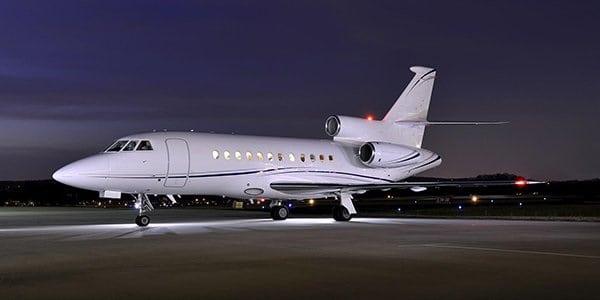
Luxury Travel Private Jet Privatejetia 22
In the ever-evolving world of aviation, private jet travel has long been synonymous with luxury, comfort, and speed. However, as the demand for faster and more fuel-efficient flights grows, the aviation industry is turning to artificial intelligence (AI) to optimize the entire flying experience. One of the most exciting developments in this space is the use of AI-optimized private jet routes that enhance speed and fuel efficiency. This technology is changing how private jets operate, offering passengers a smoother, faster, and more eco-friendly flight experience.
While private jets are already known for their ability to fly quickly and bypass commercial air traffic, optimizing flight routes with AI promises even more significant benefits. By harnessing the power of AI, aviation companies can ensure that their aircraft travel at peak performance, saving valuable time and reducing operational costs. Moreover, AI-powered flight route optimization also contributes to sustainability, lowering the carbon footprint of private jet travel and making it a more environmentally responsible choice.
How AI-Optimized Flight Routes Work
AI-powered flight route optimization relies on sophisticated algorithms and machine learning to analyze a vast array of real-time data and historical flight patterns. This technology takes into account factors such as weather conditions, wind speeds, air traffic, and fuel consumption to create the most efficient flight paths. By calculating multiple variables in real-time, AI can recommend the best route to take, whether it’s for maximum speed, minimal fuel usage, or a balance of both.
One of the key benefits of AI in route optimization is its ability to process large amounts of data instantly, something that would be nearly impossible for human pilots or flight planners to do manually. For example, AI can monitor weather patterns in real-time, allowing the system to adjust the flight path based on sudden changes in weather conditions. This means that a private jet could avoid turbulence, strong headwinds, or storms by altering its route during the flight, all without the pilot having to manually adjust the plan.
Additionally, AI systems can predict air traffic patterns, helping private jets avoid congested flight paths and navigate through less crowded airspace. By avoiding busy areas, jets can fly faster and more directly to their destination, improving efficiency and reducing delays. The system can also help pilots avoid other aircraft, minimizing the risk of mid-air collisions and ensuring a smoother flight.
Speed and Fuel Efficiency: The Perfect Balance
One of the main reasons private jet owners and operators are embracing AI for route optimization is the ability to achieve the perfect balance between speed and fuel efficiency. In the past, many flights prioritized speed over fuel conservation, leading to higher operational costs and increased environmental impact. However, with AI, flight routes can be optimized to ensure that private jets fly as efficiently as possible without sacrificing too much speed.
AI systems take into account the current wind speeds and weather conditions to identify the fastest possible routes that will also minimize fuel consumption. For example, if a jet is flying into a strong headwind, the system may suggest an alternative route that avoids the wind’s resistance, allowing the aircraft to maintain speed while using less fuel. Similarly, AI can help pilots take advantage of tailwinds, which can provide a natural boost in speed without increasing fuel usage.
Fuel efficiency is also improved by minimizing the distance traveled. By calculating the most direct route between the departure and destination points, AI reduces unnecessary detours or inefficient flight paths. This means that private jets can avoid wasting fuel on excess travel, cutting down on operational costs and reducing their carbon emissions.
Real-Time Adjustments for Maximum Efficiency
The ability to make real-time adjustments during a flight is one of the most exciting features of AI-optimized routes. Unlike traditional flight planning, where routes are often set in stone before takeoff, AI systems constantly monitor and adjust flight plans as new data becomes available. For instance, if an aircraft encounters turbulence or poor weather conditions, the AI can dynamically alter the route to avoid these issues, ensuring a faster and smoother journey. At the same time, the system will continue to monitor fuel consumption, making adjustments to ensure that the flight remains as efficient as possible.
AI can also optimize altitude levels during the flight. By analyzing factors such as air density, wind patterns, and fuel usage, AI can recommend the most efficient cruising altitude. For instance, flying at a higher altitude may be more fuel-efficient under certain conditions, while a lower altitude could be more effective under others. The system can adjust the altitude during the flight, ensuring that the jet is always flying at the most optimal level for both speed and fuel economy.
Environmental Benefits of AI-Optimized Routes
As the world becomes more conscious of environmental impact, fuel efficiency and sustainability are increasingly important considerations for private jet travelers. AI-powered flight route optimization helps reduce carbon emissions by ensuring that aircraft are flying as efficiently as possible, without wasting fuel or time. By reducing the amount of fuel burned during a flight, AI contributes to a significant decrease in the overall carbon footprint of private jet travel.
Moreover, AI systems can help airlines and private jet operators meet their sustainability goals by tracking fuel consumption and optimizing flight plans. By minimizing unnecessary fuel use and optimizing routes to avoid inefficient paths, private jets can reduce their overall contribution to global emissions. This makes AI-powered flight optimization an essential tool in the quest for eco-friendly aviation.
Additionally, as AI continues to evolve, its ability to further reduce environmental impact will only improve. With advancements in AI and machine learning, future systems may be able to predict environmental changes before they occur, allowing private jets to adjust their routes even more effectively to minimize fuel usage and emissions.
The Future of AI-Optimized Routes
As AI technology continues to advance, we can expect even more sophisticated and precise flight route optimizations. In the near future, AI may be able to integrate with other technologies, such as autonomous flight systems and predictive analytics, to further enhance the flying experience. This could lead to private jets flying even faster, more efficiently, and with an even smaller environmental footprint.
Furthermore, AI will likely become a key part of the global aviation network, helping to integrate private jet flights with commercial air travel. By coordinating flight paths between private and commercial aircraft, AI could reduce congestion in busy airspace and make air travel more efficient for everyone. This increased coordination will allow both private jets and commercial flights to make use of the same optimized routes, improving global air traffic management.
In the coming years, AI-optimized routes may also incorporate even more real-time data, such as passenger preferences, crew needs, and flight history, to further refine the route planning process. This will lead to even more personalized, efficient, and comfortable flight experiences, ensuring that private jet travelers enjoy the best possible service while reducing costs and environmental impact.
Conclusion: The Next Frontier in Private Jet Travel
AI-optimized private jet routes represent a major step forward in the evolution of air travel, offering private jet owners and passengers a smarter, more efficient way to fly. By balancing speed and fuel efficiency, AI ensures that private jets can travel faster, with less fuel, and in a more eco-friendly manner. With real-time adjustments, environmental benefits, and the potential for future advancements, AI is poised to revolutionize the way private jets operate.
As the technology continues to advance, we can expect AI-powered flight optimization to become even more sophisticated, offering travelers an experience that is faster, greener, and more luxurious than ever before. For those seeking the ultimate in efficiency, comfort, and speed, AI-powered route optimization is the key to the future of private jet travel.