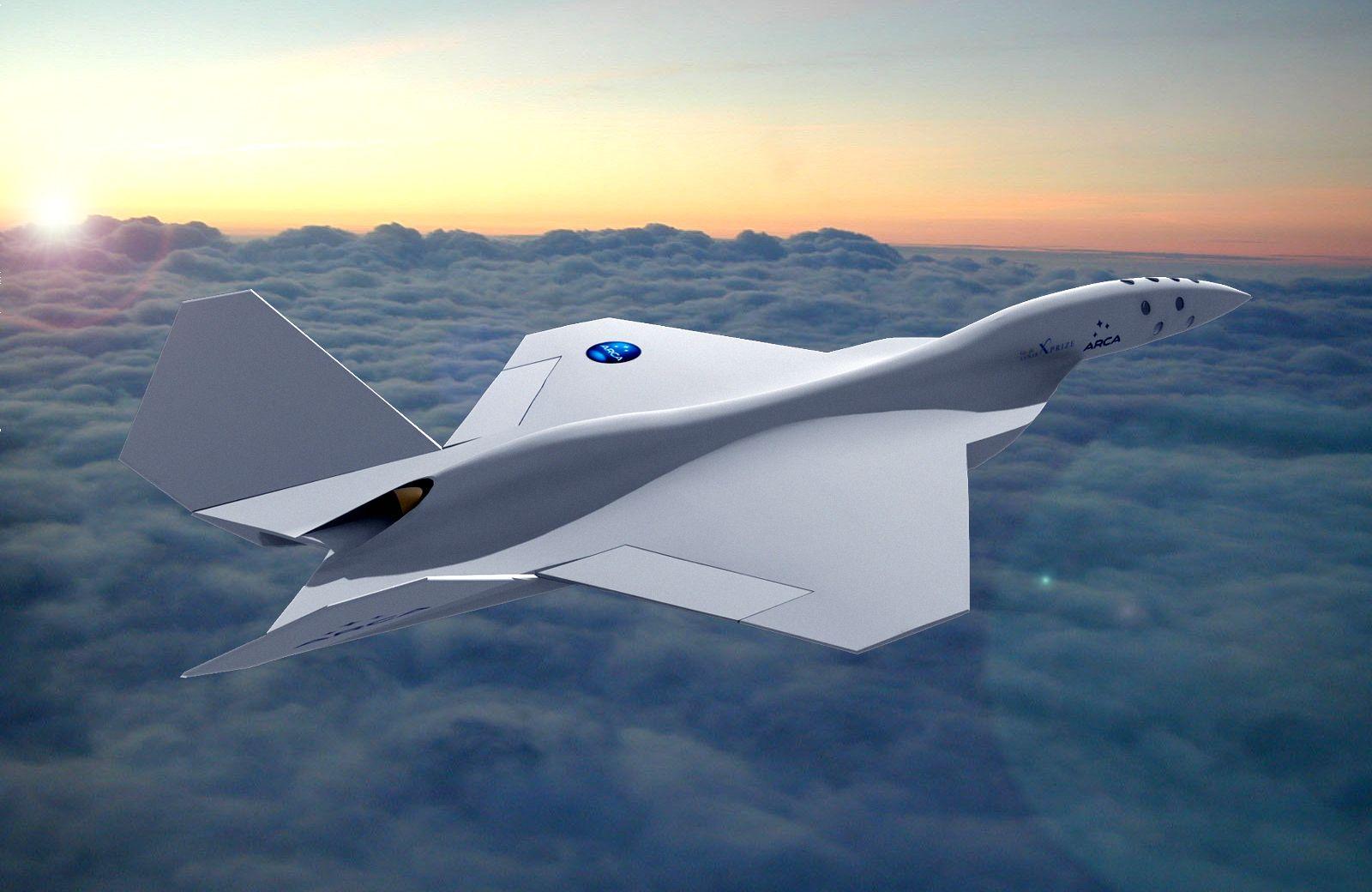
The aviation industry is undergoing a significant transformation, thanks to innovations in artificial intelligence (AI). One of the most exciting developments is the use of AI-powered predictive weather adjustments to ensure ultra-smooth flights. Weather has always been one of the primary factors influencing flight safety and comfort, and any changes in weather conditions can cause delays, turbulence, and disruptions. Traditional weather forecasting and flight planning methods often struggle to react quickly enough to rapidly changing conditions. However, AI’s advanced predictive capabilities are now making it possible to anticipate and adjust to weather conditions well before they impact a flight, ensuring a smoother and more efficient journey for passengers.
AI’s role in aviation is becoming increasingly significant, particularly when it comes to flight path optimization. Weather conditions such as thunderstorms, turbulence, and severe winds can severely affect flight times and passenger comfort. AI leverages vast amounts of weather data collected from satellites, weather stations, and even onboard sensors to analyze patterns and predict changes in real-time. This enables pilots, air traffic controllers, and flight planners to adjust flight routes proactively, rather than reacting to weather disruptions as they occur.
By utilizing AI algorithms that process historical weather data alongside real-time information, airlines can identify emerging weather patterns and calculate the optimal flight route. AI models use sophisticated techniques like machine learning to continuously improve their predictions, learning from past flights to provide increasingly accurate forecasts. These predictions help to avoid turbulent areas, rough air pockets, and other weather-related challenges that could affect passenger comfort and flight efficiency.
One of the most significant benefits of predictive weather adjustments powered by AI is the ability to avoid turbulence. Turbulence, a common challenge in air travel, is often caused by shifts in air currents, such as jet streams or thunderstorms. By analyzing weather data and forecasting these shifts in air pressure and wind patterns, AI can predict areas where turbulence is likely to occur. This information allows airlines to alter flight paths to avoid these regions, ensuring a smoother and more comfortable ride for passengers. By making these predictions in advance, airlines can significantly reduce the number of turbulent encounters during a flight.
Additionally, AI-powered predictive systems can optimize altitude changes to adjust for changes in weather conditions. For instance, if weather data indicates a change in wind patterns or temperature at a particular altitude, AI can suggest shifting to a higher or lower altitude to avoid encountering difficult weather conditions. This ability to adjust altitude dynamically based on predictive weather data helps to smooth out the flight and keep it within optimal conditions, enhancing the overall passenger experience.
Another area where AI-driven predictive weather systems are making a difference is in airport operations. Bad weather often causes delays at airports, as flights must wait for clearance or take longer to land safely. AI can be used to predict weather disruptions well in advance, enabling airlines and airports to take necessary precautions, such as rerouting flights or adjusting landing schedules. For example, AI systems can predict the timing of storms, allowing airports to optimize their runway operations and ensure that planes are not delayed due to weather conditions. By forecasting and reacting to weather changes earlier, AI can help to minimize disruptions and reduce the number of weather-related delays.
AI’s predictive power is also invaluable in terms of fuel efficiency. By adjusting flight paths to avoid bad weather, pilots can optimize fuel consumption. For instance, by bypassing turbulent areas and using weather data to choose routes with fewer headwinds or storms, AI can help reduce fuel usage. This has not only financial benefits but environmental ones as well, as airlines can cut down on carbon emissions. By using AI to predict the best routes, airlines can operate more efficiently, conserving fuel and reducing their environmental impact.
Furthermore, AI-powered weather prediction systems can assist in maintenance planning for aircraft. Extreme weather conditions such as ice storms, high winds, or heavy rain can put additional strain on the aircraft and increase wear and tear. By predicting these conditions in advance, airlines can schedule maintenance checks to ensure their aircraft are prepared for the challenges ahead. AI models can also monitor real-time sensor data from the aircraft during flight, identifying any signs of mechanical stress due to adverse weather, which allows airlines to react quickly and prevent damage to the plane.
The integration of AI with Internet of Things (IoT) sensors on board aircraft takes weather forecasting to the next level. These IoT sensors collect real-time data about temperature, humidity, pressure, and other environmental factors during a flight. By feeding this data into AI algorithms, airlines can receive continuous, live updates on the aircraft’s performance in relation to the weather. This ongoing analysis helps in fine-tuning flight operations on the fly, such as adjusting speed, altitude, and flight path, making the entire flight more adaptable to changing conditions and ensuring optimal performance.
Moreover, AI-driven weather systems can enhance passenger safety by continuously monitoring weather conditions and making instant recommendations for course corrections if required. In the event of an unexpected weather anomaly, AI can send alerts to pilots and ground control systems, helping to make split-second decisions that could avert potentially dangerous situations. This predictive capability enhances overall flight safety, reducing the likelihood of weather-related accidents or near-misses.
One of the promising developments in AI-powered predictive weather adjustments is the collaboration between airlines, air navigation service providers, and meteorological organizations. By sharing data from multiple sources, these entities can build more comprehensive and accurate predictive models, which ultimately lead to better flight outcomes. AI’s ability to synthesize vast amounts of data from different sources, satellite imagery, ground weather stations, and flight sensors, enables a more holistic understanding of weather patterns. This data-sharing initiative improves decision-making at all levels of aviation, leading to smoother and more efficient air travel.
As AI continues to evolve, we can expect even more advanced weather prediction capabilities to emerge, with more precise forecasts that consider factors such as atmospheric pressure, wind direction, and temperature gradients. These advancements will allow airlines to improve not just their flight planning but also their emergency preparedness, ensuring that passengers are always in safe hands, no matter the weather conditions.
In conclusion, AI-powered predictive weather adjustments are revolutionizing the aviation industry by enabling ultra-smooth flights. By analyzing vast amounts of weather data, AI helps airlines optimize flight paths, avoid turbulence, adjust altitude, and improve fuel efficiency. This not only enhances passenger comfort but also contributes to cost savings, environmental sustainability, and increased safety. As AI continues to advance, we can expect even greater precision in predicting weather patterns, offering the promise of a future where air travel is smoother, safer, and more efficient than ever before.