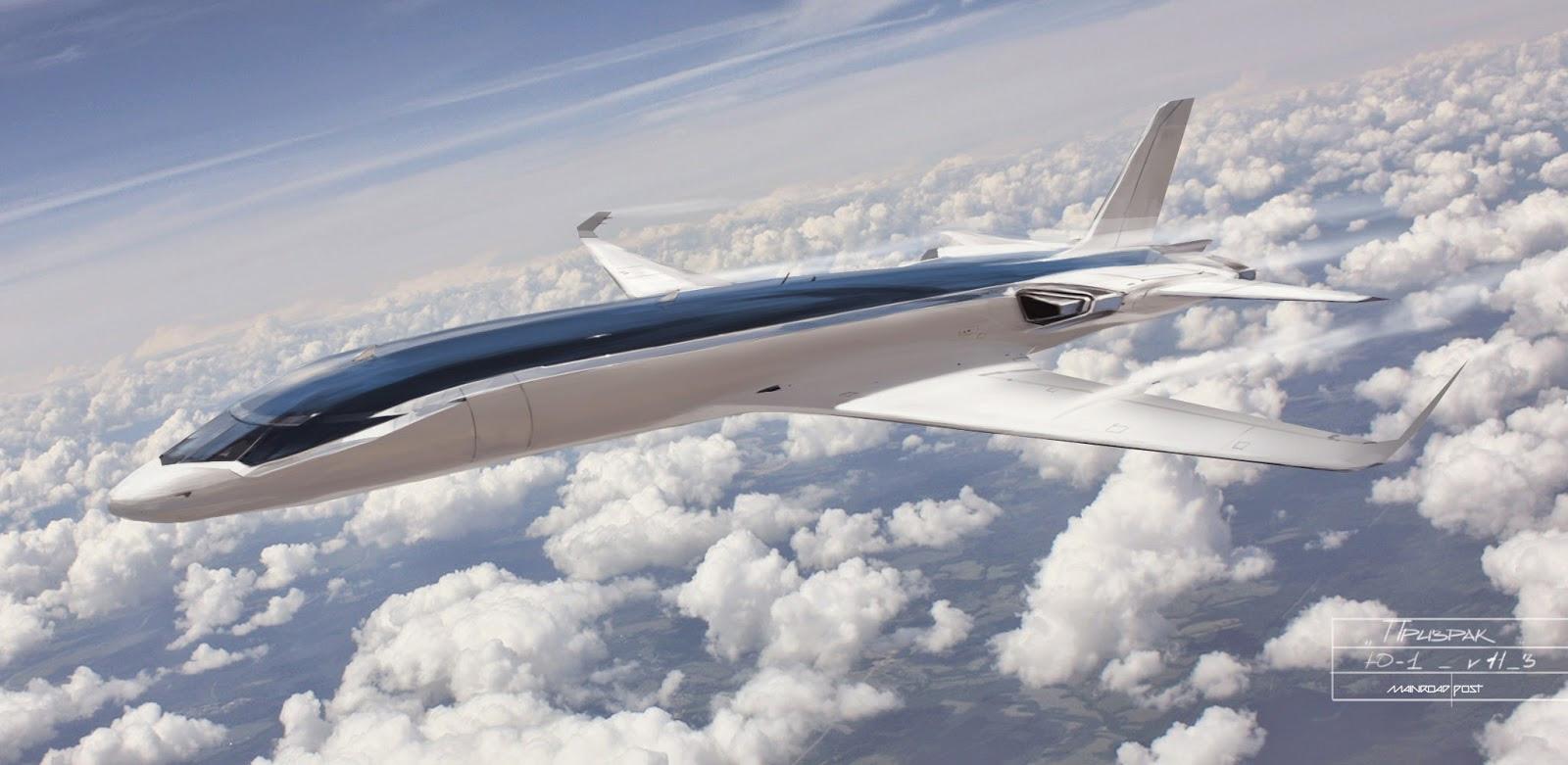
The aviation industry has long been focused on improving fuel efficiency as a means to reduce costs and environmental impact. One of the most innovative advancements in this area is the integration of AI-based smart winglets in private jets. These high-tech devices, powered by artificial intelligence, are revolutionizing how aircraft manage fuel consumption by optimizing aerodynamics and flight dynamics. As private aviation continues to grow, the use of smart winglets is becoming a game-changer for both sustainability and cost-effectiveness.
Winglets, the small vertical extensions at the end of an aircraft’s wings, have been used for decades to reduce drag and improve fuel efficiency. Traditional winglets are designed to minimize the vortex drag created by the pressure difference between the upper and lower surfaces of the wing. This reduction in drag leads to improved fuel efficiency and longer flight ranges. However, the new generation of AI-based smart winglets takes this concept to the next level by incorporating machine learning algorithms and real-time data analysis to continuously optimize their performance.
AI-powered smart winglets are capable of adjusting their position and angle based on real-time flight data, weather conditions, and other factors that affect the aircraft’s aerodynamics. This dynamic adjustment enables the aircraft to achieve the most fuel-efficient configuration for each specific flight. For example, when a jet encounters turbulence or changing air pressure, the AI system can instantly alter the angle of the winglets to reduce drag and maintain optimal lift. These adjustments help conserve fuel by minimizing unnecessary resistance and ensuring that the aircraft operates at its most efficient level.
One of the major advantages of AI-based smart winglets is their ability to learn from past flight data and continually improve their performance. As the aircraft flies, the AI system collects data on various parameters, such as airspeed, altitude, and wind conditions, and uses this information to predict the most efficient winglet configuration for future flights. This ability to self-optimize based on historical data is a significant step forward from traditional, static winglets, which cannot adjust to changing flight conditions.
Additionally, the integration of AI in the winglets system allows for real-time communication between the winglets and other components of the aircraft, such as the engines and autopilot system. This synergy between the aircraft’s various systems enables the optimization of fuel efficiency across all aspects of flight, from takeoff to landing. For example, the AI can adjust the engine thrust and winglet settings in tandem to achieve the best overall fuel economy. The result is a smoother, more efficient flight, with less fuel consumption and lower emissions.
The impact of AI-based smart winglets on operational costs for private jet owners is significant. By reducing fuel consumption, these winglets can lead to substantial savings, especially on longer flights. The fuel efficiency improvements can also translate into a reduction in carbon emissions, contributing to the aviation industry’s efforts to adopt more sustainable practices. As the demand for eco-friendly solutions in aviation grows, the use of AI-powered smart winglets is poised to become a critical component of the push toward more sustainable private jet travel.
Another important benefit of AI-based smart winglets is their role in enhancing flight performance. The ability to adapt to changing flight conditions in real time not only improves fuel efficiency but also enhances the overall performance of the jet. For instance, the smart winglets can optimize the aircraft’s lift-to-drag ratio, improving stability and maneuverability. This dynamic optimization helps the jet maintain better control during turbulent weather and high-speed maneuvers, contributing to a smoother and safer flying experience for passengers.
In addition to improving the operational aspects of private jet travel, AI-powered smart winglets also contribute to reducing noise pollution. By optimizing the aerodynamics of the aircraft and reducing drag, the winglets help the engines run more efficiently, which in turn reduces noise levels. This is particularly important for private jets, as many of these aircraft operate in residential or environmentally sensitive areas where noise pollution can be a significant concern. The quieter operation of AI-equipped jets contributes to a more comfortable experience for both passengers and people on the ground.
The introduction of AI-based smart winglets also holds great promise for the future of aviation technology. As AI continues to advance, the potential for even more sophisticated winglet designs and flight optimizations will increase. Future AI systems may be able to incorporate additional data sources, such as real-time weather forecasts and satellite imaging, to further enhance the performance of the winglets. These advancements could lead to even greater fuel efficiency and further reductions in carbon emissions, helping the aviation industry move toward a more sustainable future.
For private jet operators, the incorporation of AI-powered smart winglets represents an opportunity to differentiate themselves in an increasingly competitive market. Offering jets with cutting-edge technology that improves fuel efficiency and reduces environmental impact can attract eco-conscious customers who are looking for ways to minimize their carbon footprint while still enjoying the luxury and convenience of private aviation. By embracing AI-based winglet technology, private jet companies can not only reduce operational costs but also enhance their brand image as leaders in sustainability and innovation.
As AI continues to reshape the aviation industry, it’s clear that the integration of smart winglets will play a key role in the future of private jet travel. These innovative devices offer significant benefits in terms of fuel efficiency, operational cost savings, flight performance, and sustainability. By leveraging AI to continuously optimize their performance, smart winglets represent a revolutionary step toward a more efficient and environmentally friendly aviation industry. As more private jet operators adopt this technology, it’s likely that AI-powered smart winglets will become a standard feature in the industry, setting a new benchmark for fuel-efficient travel.