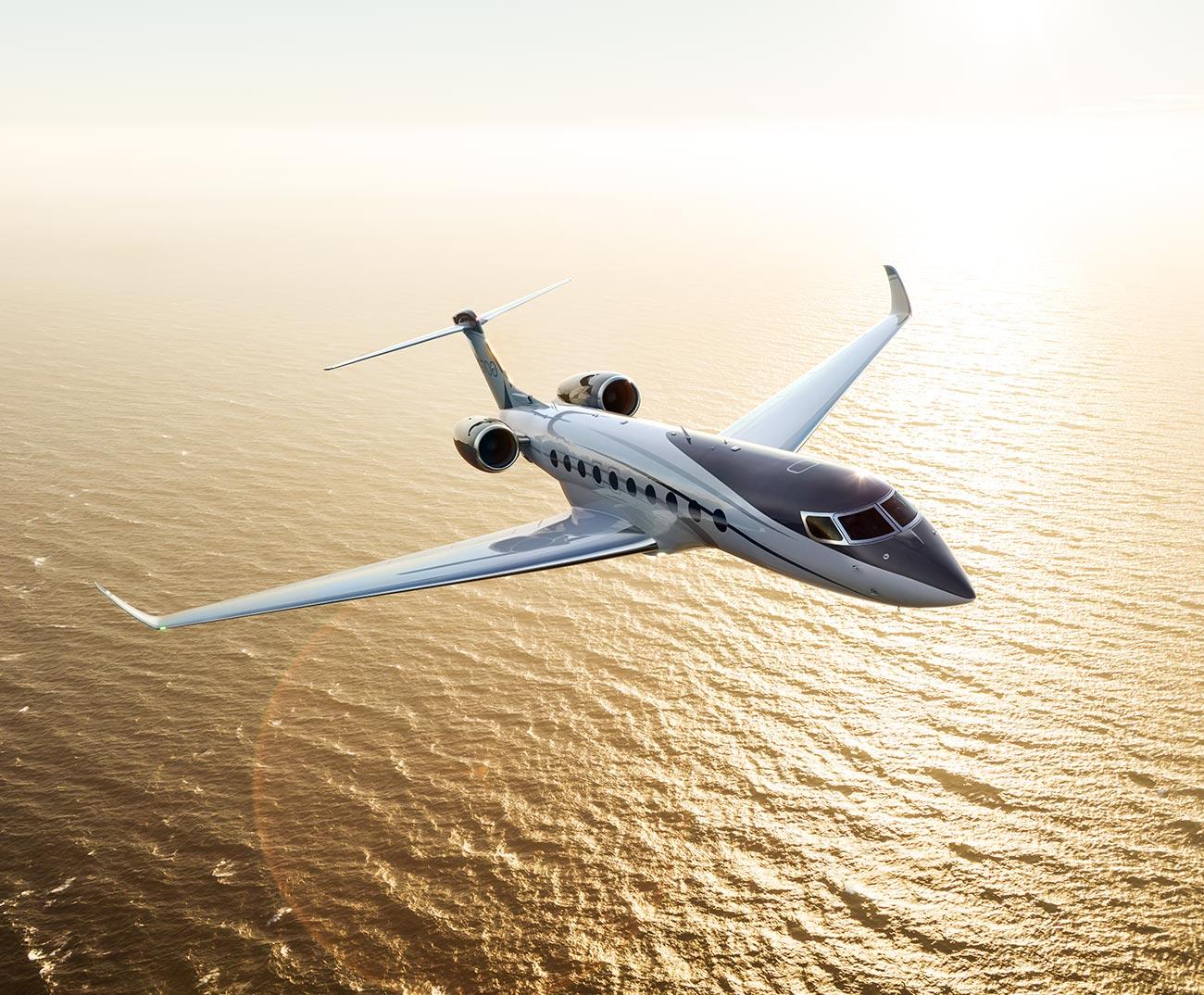
The increasing demand for sustainability in all sectors, including aviation, has led to groundbreaking innovations aimed at reducing the environmental impact of private jet travel. One of the latest advancements in this area is the development of AI-powered smart jet bathrooms that not only enhance passenger comfort but also optimize water usage in flight. These smart systems aim to reduce waste and energy consumption while improving the overall in-flight experience.
Traditionally, water usage in airplane bathrooms has been a significant consideration for airlines. The need to balance the water supply with the limited resources available during a flight, while also maintaining a high level of hygiene and passenger satisfaction, has always been a challenge. With AI-powered solutions, this task is now becoming more manageable. AI is playing a pivotal role in optimizing water usage in jet bathrooms, making them more sustainable, efficient, and user-friendly than ever before. In this article, we will explore how AI is transforming private jet bathrooms by managing water consumption intelligently and ensuring a seamless experience for passengers.
The Challenge of Water Usage in Jet Bathrooms
Water usage in an airplane bathroom is critical to passenger comfort and hygiene, but it also poses a unique challenge due to the limited capacity of the aircraft’s water supply. Aircraft bathrooms are designed to conserve as much water as possible without compromising cleanliness or passenger satisfaction. However, inefficient water usage can quickly lead to operational issues, especially on longer flights or in private jets that cater to high-end clients with specific needs.
The process of balancing water conservation with providing a pleasant and hygienic experience for passengers has traditionally relied on fixed systems, such as manual controls for sinks, toilets, and showers, or automatic sensors that detect when water is needed. While these systems have worked to some extent, they often lack the sophistication required to optimize water usage on a real-time basis and adapt to different passenger needs and flight conditions.
AI-Powered Solutions for Water Optimization
AI-powered smart jet bathrooms represent a major leap forward in how water is managed onboard private jets. By using a combination of sensors, machine learning, and real-time data, these intelligent systems can ensure that water is used efficiently without compromising the quality of service or passenger comfort. Here are the key features of AI-powered smart bathrooms that optimize water usage:
- Smart Sensors and Data Integration
AI systems integrate with advanced sensors to detect the usage patterns of water in the bathroom. These sensors collect data on various factors such as the amount of water used for handwashing, the frequency of toilet flushes, and how long the shower lasts. By continuously monitoring these metrics, AI can make real-time adjustments to the water supply, ensuring it is distributed in the most efficient way possible. This integration of sensors with AI enables the system to understand and predict water consumption needs throughout the flight.
- Personalized Water Consumption
AI-powered systems can learn and adapt to the preferences of individual passengers. For example, if a passenger prefers a certain water temperature for a hand wash or a specific amount of water for a toilet flush, the AI system can adjust the water supply accordingly. This personalized experience ensures that passengers receive the service they expect without wasting any resources. Additionally, the system can learn patterns over time, ensuring more efficient water usage on future flights.
- Water Recycling and Reuse
One of the most innovative aspects of AI-powered jet bathrooms is their ability to recycle and reuse water. For example, the system can filter and purify used water from sinks and showers, then redirect it to other parts of the bathroom, such as the toilet or cleaning systems. This minimizes the need to draw new water from the aircraft’s limited reserves. AI systems can optimize the timing and volume of recycled water used in different parts of the bathroom, ensuring that it is done in a way that maximizes efficiency without compromising hygiene.
- Automated Water Flow Control
AI can also help regulate the flow of water in various bathroom fixtures. For example, in sinks, AI can adjust the water flow based on the user’s hand movements or how long they intend to wash their hands. If a passenger uses the sink for just a few seconds, the system will reduce the amount of water dispensed, preventing unnecessary waste. Similarly, AI can control water flow in showers, providing passengers with the desired amount of water while ensuring that the system doesn’t waste any during the process.
- Leak Detection and Maintenance Alerts
Leaks and malfunctions in aircraft plumbing can lead to significant water wastage and operational issues. AI systems can monitor the entire water distribution system for signs of leaks or inefficiencies. If a problem is detected, the system can immediately alert the maintenance crew, allowing them to address the issue before it escalates. This proactive approach not only reduces water waste but also ensures that the bathroom facilities remain in optimal condition throughout the flight.
- Real-Time Water Consumption Reports
For airline operators and owners of private jets, AI-powered systems can provide real-time consumption reports, showing detailed information about how much water has been used, where it was used, and how efficiently it was managed. These reports help operators understand water consumption trends and identify potential areas for further optimization. Additionally, operators can use this data to ensure that water usage is aligned with sustainability goals and regulatory requirements.
Benefits of AI-Powered Smart Jet Bathrooms
The implementation of AI-powered smart bathrooms in private jets offers a range of benefits, from increased sustainability to improved passenger satisfaction. Some of the key advantages include:
- Environmental Sustainability
Water conservation is a critical aspect of reducing the environmental footprint of private jet travel. By optimizing water usage and implementing recycling and reuse systems, AI-powered bathrooms contribute to more sustainable aviation practices. This is especially important as the aviation industry faces increasing pressure to meet sustainability goals and reduce its impact on the environment.
- Enhanced Comfort and Convenience
Passengers expect high levels of comfort when traveling on private jets, and AI-powered bathrooms help deliver on that expectation. The ability to personalize water consumption based on individual preferences and adjust water temperature in real-time makes the in-flight bathroom experience more comfortable and customized to each passenger’s needs. These advancements enhance the overall luxury experience and create a more enjoyable journey.
- Operational Efficiency
For jet owners and operators, AI-powered bathrooms can lead to significant cost savings by reducing water wastage and optimizing usage. By maintaining an efficient water supply system, these bathrooms ensure that the limited resources on board are used effectively, helping to reduce the need for frequent refills and costly maintenance. Additionally, the ability to predict and prevent issues before they arise, such as leaks or system malfunctions, further contributes to operational efficiency.
- Health and Hygiene
AI-powered systems ensure that water is used in a way that maximizes hygiene. For example, the ability to automatically control water flow in sinks and showers ensures that water is dispensed only when needed, minimizing the risk of contamination or standing water. AI can also help maintain proper cleaning cycles in the bathroom, ensuring that it remains hygienic and safe for passengers throughout the flight.
- Cost Reduction
By optimizing water usage, AI-powered smart bathrooms can reduce the overall operational costs associated with water supply, maintenance, and repairs. For private jet owners, this means a more cost-effective and sustainable way of operating their aircraft without sacrificing luxury or performance.
The Future of AI in Jet Bathrooms
The future of AI in jet bathrooms holds exciting possibilities. As technology continues to advance, we can expect even more intelligent systems that will further enhance water optimization, passenger comfort, and sustainability. For instance, AI may be able to integrate with other smart systems on the jet, such as climate control and lighting, to create a fully connected and responsive in-flight experience. Additionally, advancements in AI-driven water purification could allow for more efficient water reuse and a greater reduction in overall water consumption, making private jet travel even more eco-friendly.
In the long run, as AI technology continues to evolve and become more sophisticated, we may see self-sustaining water systems that rely on minimal external inputs. These systems could integrate with solar panels or other alternative energy sources to create a completely autonomous water management system onboard private jets, reducing the need for traditional water refills and further enhancing sustainability.
Conclusion
AI-powered smart jet bathrooms represent the next step in the evolution of private jet travel. By optimizing water usage through smart sensors, real-time data, and intelligent algorithms, these systems not only conserve valuable resources but also enhance the comfort and convenience of passengers. As the aviation industry continues to prioritize sustainability and efficiency, AI-powered bathrooms will play an increasingly important role in reducing environmental impact while maintaining the high standards of luxury that private jet travelers expect.