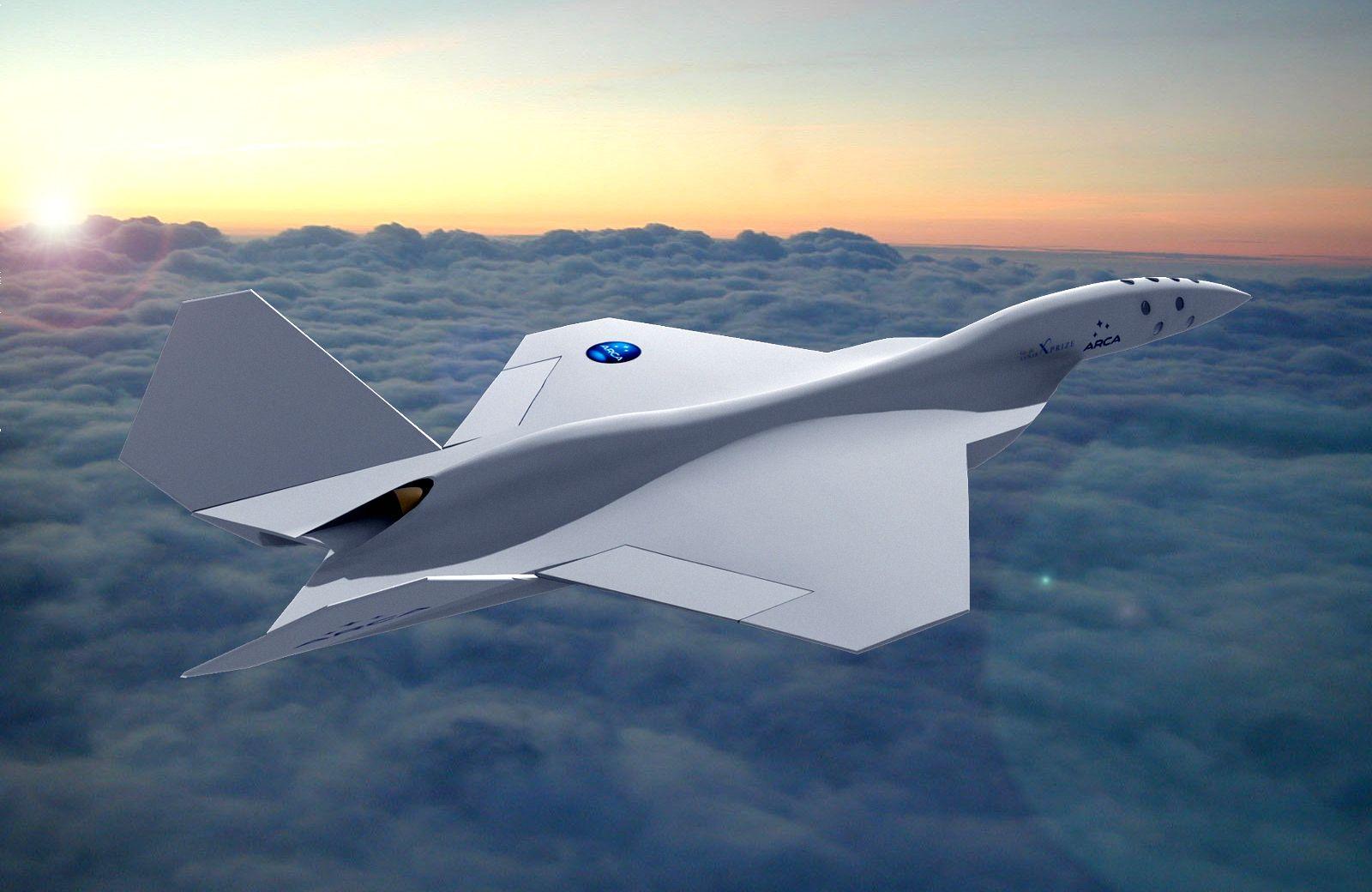
As we move toward 2025, the world of luxury aviation is evolving rapidly, with new design trends emerging that are set to redefine the private jet experience. These trends focus on blending cutting-edge technology, sustainability, and unmatched comfort to create aircraft interiors that are not only luxurious but also functional and forward-thinking. In this detailed comparative analysis, we’ll explore the key design trends shaping the luxury jet market, focusing on the innovations, aesthetics, and passenger-centric features that will define elite air travel in the coming years.
The Evolving Luxury Jet Interior Design Landscape
Luxury jets are no longer just about getting from point A to point B, they are about offering a personalized, immersive experience that combines the best of both design and technology. As private aviation continues to cater to an increasingly discerning clientele, the demand for innovative interiors that blend comfort, efficiency, and exclusivity is at an all-time high.
Customization: The Height of Personalization
Customization has always been a key feature of luxury jet interiors, but in 2025, this trend is expected to take on new levels of personalization. Aircraft manufacturers are offering bespoke design options that allow owners to tailor everything from seating arrangements to materials used in the cabin.
Bespoke Interiors: In 2025, it’s not just about choosing from a range of finishes, it’s about creating a space that feels truly personal. Passengers can choose everything from the color of leather upholstery to custom wood paneling and flooring. Some companies are even offering the ability to select unique artworks and personalized touches, ensuring that no two jets are alike.
Flexible Layouts: Modern luxury jets are designed with flexibility in mind, allowing owners to choose layouts that cater to their unique needs. Whether it’s a social space for entertaining, a private office for business meetings, or a bedroom for rest, customization options are limitless.
The Influence of Sustainable Design
Sustainability is a growing concern for all industries, and aviation is no exception. In response to the increasing demand for eco-friendly travel, luxury jet manufacturers are incorporating sustainable design elements into their aircraft.
Eco-Friendly Materials: In 2025, luxury jets will increasingly feature eco-conscious materials, such as sustainable woods, recycled metals, and low-impact fabrics. These materials not only minimize the environmental impact but also add a unique aesthetic to the interior.
Energy-Efficient Systems: From more efficient lighting to systems designed to reduce fuel consumption, the aviation industry is working toward creating greener jets. In luxury jets, this trend will extend to things like energy-efficient air conditioning, lighting, and onboard systems that help reduce the aircraft’s carbon footprint.
Sustainable Fuel Sources: As the private aviation industry moves towards adopting sustainable aviation fuel (SAF), luxury jets will increasingly feature designs that are optimized to run on these eco-friendly fuels, which are expected to become more mainstream by 2025.
Technology Integration: Creating a Smart Cabin Experience
In 2025, the integration of advanced technology will continue to transform luxury jet interiors, offering passengers a more convenient, efficient, and enjoyable travel experience. The “smart cabin” will become the standard for elite air travel, with various technologies seamlessly integrated into the design of the jet.
Intelligent Cabin Management Systems
One of the most important innovations is the rise of intelligent cabin management systems that allow passengers to control all aspects of their environment with ease. These systems will enable travelers to adjust the temperature, lighting, seating configurations, entertainment, and even order services, all from a centralized interface.
Voice and Gesture Control: By 2025, luxury jets will incorporate voice-activated technology and gesture control, allowing passengers to control cabin features hands-free. Whether it’s adjusting the cabin temperature, dimming the lights, or adjusting the seat position, passengers will have total control over their surroundings with a simple voice command or gesture.
Mobile Integration: The ability to control the cabin via smartphones or tablets will become even more sophisticated, with custom apps designed to manage the cabin environment and services. Travelers can schedule meals, set the perfect lighting for relaxation, or even monitor their flight’s progress from their personal devices.
Advanced Entertainment Systems
The entertainment experience in luxury jets has long been an area of focus, but with the rapid advancement of technology, the next generation of in-flight entertainment is set to become even more immersive.
Virtual Reality (VR) and Augmented Reality (AR): In 2025, expect to see the integration of VR and AR in luxury jet entertainment systems. These technologies will offer immersive experiences that go beyond traditional in-flight entertainment. From virtual travel experiences to interactive movies and gaming, VR and AR will allow passengers to engage with their surroundings in new and exciting ways.
High-Definition Displays and Surround Sound: The entertainment systems in luxury jets will continue to evolve, with larger, high-definition displays and immersive surround sound systems becoming the norm. These systems will offer an unparalleled viewing and listening experience, allowing passengers to watch movies, stream content, or even attend virtual meetings with crystal-clear visuals and audio.
Maximizing Comfort: The Rise of Sleep and Rest Zones
As long-haul flights become increasingly common, the need for rest and comfort during travel has never been greater. Luxury jets are being designed with dedicated sleep and rest zones that cater to the physical and mental well-being of passengers.
Private Bedrooms and Sleep Pods
2025 will see more luxury jets offering fully private bedrooms with full-sized beds, ideal for passengers who wish to rest during their journey. These bedrooms will feature plush bedding, ergonomic mattresses, and blackout shades to ensure the ultimate sleep experience.
Sleep Pods and Lounges: Some aircraft will also feature sleep pods or lounges designed specifically for relaxation. These areas will be equipped with adjustable lighting, climate control, and soothing audio to create a tranquil, sleep-friendly environment.
Wellness and Spa Features
Wellness will play an increasingly important role in jet interior design, with 2025’s luxury jets offering features that focus on relaxation, rejuvenation, and well-being.
Spa-Inspired Bathrooms: Luxury jet bathrooms are being redesigned to resemble private spas, with features such as rain showers, massaging jets, and heated floors. The use of natural materials, calming lighting, and high-end toiletries ensures that passengers enjoy a spa-like experience in the air.
Wellness Areas: Some jets will even offer dedicated wellness areas where passengers can practice yoga, meditation, or other stress-reducing activities. These spaces will be designed to promote physical and mental well-being during long flights.
Aesthetic Trends: Elegant and Minimalistic Designs
The aesthetic of luxury jet interiors continues to evolve, with a growing preference for minimalist, sleek designs that emphasize elegance and sophistication. The trend toward simplicity allows the materials used in the cabin to shine, while clean lines and uncluttered spaces create a sense of calm and tranquility.
Neutral Color Palettes: Neutral tones, such as soft greys, whites, and beige, will dominate the color schemes of luxury jet interiors in 2025. These colors create a calming atmosphere and provide a timeless, elegant look.
High-End Materials: The use of premium materials such as marble, brushed metals, and exotic woods will continue to rise in popularity. These materials not only add luxury to the cabin but also contribute to the overall feeling of exclusivity.
Artistic and Unique Décor: More jets will feature custom artwork, sculptures, and other unique pieces that reflect the personality and taste of the owner. These personal touches add character to the interior and elevate the overall aesthetic.
Future Outlook: What’s Next for Luxury Jet Interiors?
As we look toward 2025 and beyond, the future of luxury jet interiors promises even more exciting innovations. With the rise of artificial intelligence, next-generation materials, and eco-friendly technologies, we can expect luxury jets to continue pushing the boundaries of design, comfort, and sustainability. The demand for personalized, customized interiors will remain high, and as jet manufacturers continue to innovate, the concept of air travel will be forever changed.