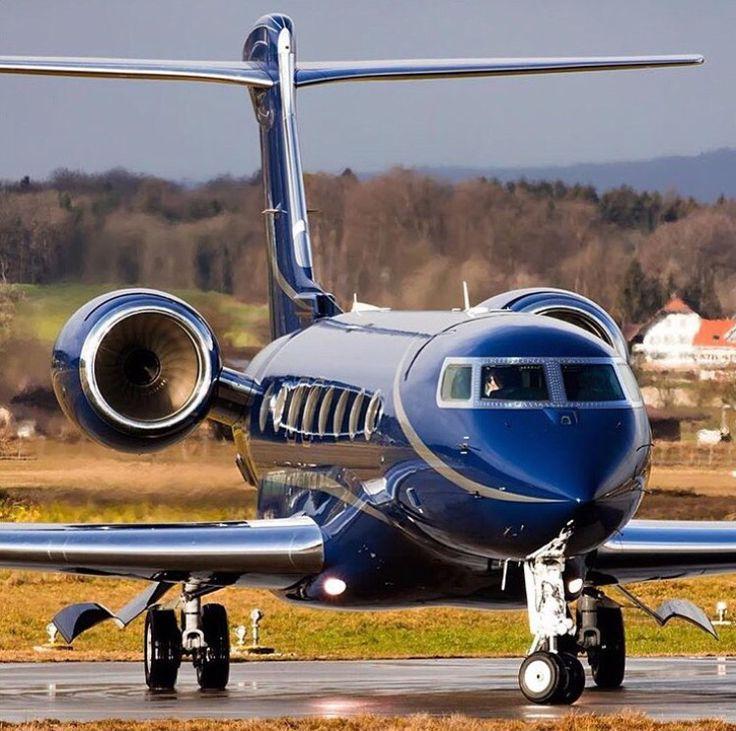
PrivateJetia Private Jet Fly 110
The Evolution of Modern Luxury Jet Design
Luxury jet design has come a long way, transforming from functional aircraft cabins into floating mansions that rival five-star hotels. The focus is no longer just on comfort but on personalization, advanced technology, and eco-conscious solutions.
Today’s elite travelers demand more than just a plush leather seat; they expect an immersive experience, complete with smart controls, fine dining, spa-like amenities, and even art installations. This report explores the top trends shaping modern airborne luxury and benchmarks the best jets on the market.
Key Trends Defining Luxury Jet Interiors
Ultra-Personalized Cabin Configurations
Gone are the days of standard layouts. Customization is king in today’s luxury jet market, with owners demanding interiors that reflect their personal tastes and lifestyles.
Modular designs allow jets to feature multi-use spaces, including transformable lounges, conference rooms, and even yoga studios. Personalized themes range from penthouse aesthetics to traditional craftsmanship or futuristic minimalism. Many large jets now include private suites, featuring master bedrooms, walk-in closets, and spa-style bathrooms.
Among the leading jets in this category, the Gulfstream G700 offers five distinct living areas, including a private master suite, while the Bombardier Global 7500 boasts the largest cabin in its class with ultra-flexible seating arrangements.
Smart Cabin Technology & AI Integration
Luxury jets are now hyper-connected, offering a seamless technological experience that enhances convenience and comfort.
Voice-controlled cabins allow passengers to adjust lighting, temperature, and entertainment hands-free. Augmented reality windows are becoming a reality, replacing traditional windows with OLED displays to create immersive panoramic views. AI-powered climate control systems adjust temperature and air quality based on passengers’ preferences.
Among the most advanced models, the Dassault Falcon 10X is the first private jet to introduce AI-driven climate control, while the Airbus ACJ TwoTwenty is equipped with the latest 4K OLED screens and touch-free controls.
Sustainable & Eco-Friendly Luxury
The private jet industry is moving towards green aviation, incorporating sustainable materials and fuel-efficient technology.
Vegan leather, recycled fabrics, and carbon-neutral textiles are replacing traditional materials. Sustainable wood veneers, such as bamboo and reclaimed wood, are also gaining popularity. On a larger scale, innovations like hydrogen-powered jets are paving the way for eco-conscious air travel.
The Boeing Business Jet (BBJ) 787 Dreamliner is designed with lightweight materials that reduce fuel consumption and emissions by 20%. Meanwhile, the Embraer Praetor 600 features a fully sustainable cabin, using recycled materials and energy-efficient lighting throughout.
Wellness & In-Flight Relaxation
Well-being is now a core focus in luxury jet interiors, with designers incorporating spa-inspired elements to provide a stress-free travel experience.
Oxygen-enriched cabins offer higher humidity and purified air, enhancing passenger comfort and reducing jet lag. Massage and zero-gravity seats, inspired by NASA technology, help passengers achieve maximum relaxation. Biophilic design principles, incorporating natural elements such as waterfalls and greenery, create a calming in-flight environment.
The Cessna Citation Hemisphere is among the first private jets to introduce zero-gravity recliners, providing an unparalleled relaxation experience. The Gulfstream G800, known for its ultra-low cabin altitude, is designed to reduce fatigue and improve passenger well-being.
The Future of Luxury Jet Design
The next generation of luxury jets will push the boundaries of airborne design, incorporating even more technological, sustainable, and personalized features.
Space Travel Crossover is one of the most ambitious innovations, with companies like SpaceX and Blue Origin exploring luxury space tourism concepts. High-end private space cabins may soon include artificial gravity, panoramic Earth views, and fully immersive VR experiences.
Biometric Personalization is another exciting trend. Future jets may integrate facial recognition and AI-driven customization, automatically adjusting lighting, music, and seat positioning based on passengers’ personal preferences.
With these cutting-edge developments, the world of modern luxury jet design is set to redefine ultra-premium travel, creating an unparalleled airborne experience for elite travelers.


