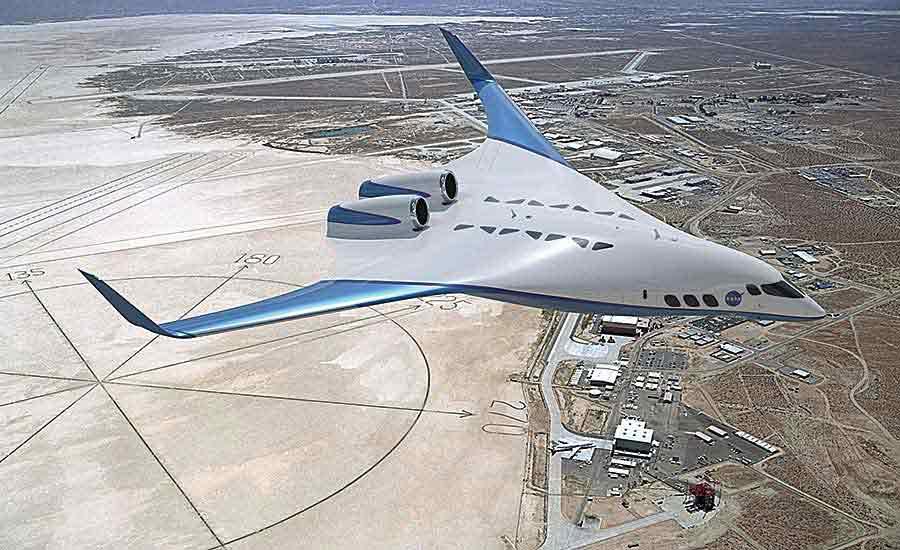
In the world of aviation, the dream of autonomous flight has always been on the horizon. While the idea of pilotless airplanes might have once seemed like science fiction, advancements in artificial intelligence (AI), machine learning, and automation technology are quickly making it a reality. Autonomous private jets are no longer a far-off concept, and in the coming years, we could see pilotless jets become the norm for luxury aviation. These aircraft promise to transform the private flying experience by offering greater efficiency, cost savings, safety, and comfort.
What Are Autonomous Private Jets?
Autonomous private jets are aircraft that can fly without human pilots on board, relying instead on advanced autopilot systems, AI-powered navigation, and sophisticated sensors to control the jet’s operation from take-off to landing. These jets would be capable of operating entirely on their own, without the need for a human pilot, and can make real-time decisions based on changing environmental conditions, flight data, and passenger needs.
Just like autonomous cars, autonomous jets are designed to improve flight efficiency, reduce human error, and provide an a very uniqueed flying experience. While traditional private jets require highly trained pilots to ensure safety and manage in-flight operations, AI in autonomous jets is equipped to handle everything from route planning to emergency protocols, making flight smoother, safer, and more efficient.
Key Features of Autonomous Private Jets
- AI-Powered Navigation Systems
At the core of autonomous private jets is a highly sophisticated AI-powered navigation system. These systems can process vast amounts of data from a variety of sources, including satellite feeds, weather reports, air traffic control, and even real-time data from the jet’s onboard sensors. The AI can make decisions about the most efficient routes, optimal speeds, and safe altitudes, ensuring the flight is as smooth and efficient as possible. These systems would also adjust to unexpected changes during the flight, such as weather disruptions, traffic avoidance, and unforeseen mechanical issues.
- Advanced Sensors and Communication Networks
Autonomous jets rely heavily on sensors that continuously monitor the aircraft’s performance, surroundings, and environment. These sensors can detect obstacles, weather patterns, and aircraft proximity, allowing the jet to make instantaneous decisions to avoid potential hazards. Additionally, the communication networks on autonomous jets are capable of real-time communication with air traffic control and other aircraft, ensuring that the jet is always aware of its position and can avoid mid-air collisions or other issues.
- Predictive Maintenance
One of the standout features of autonomous private jets is their ability to predict and manage maintenance needs. Using predictive analytics and machine learning algorithms, the jet’s systems can assess the health of the aircraft in real-time and anticipate potential issues before they become major problems. This autonomous maintenance system helps keep the jet in optimal condition, reduces unscheduled downtime, and increases safety by ensuring that potential mechanical failures are detected early.
- Enhanced Safety Protocols
While many people may have concerns about flying without a pilot, autonomous jets have the potential to increase flight safety. AI-driven systems are designed to constantly monitor and assess the jet’s systems, detecting potential issues far earlier than human pilots could. For example, the AI can automatically adjust the flight trajectory to avoid severe weather or reduce turbulence, keeping passengers safe and comfortable. In the event of an emergency, autonomous jets have the ability to activate emergency procedures more quickly than a pilot, ensuring a swift and effective response.
- Passenger-Centric Features
In an autonomous private jet, passengers could have a more personalized and comfortable experience. AI can adjust everything from temperature and lighting to the seating configuration, ensuring the optimal environment based on individual preferences. Passengers could even interact with the jet’s AI assistant to request customized services, such as meal preferences, in-flight entertainment, or workspace configurations, all while enjoying the smooth operation of a pilotless flight.
The Benefits of Autonomous Private Jets
- Improved Safety and Reduced Human Error
Human error is a leading cause of aviation accidents, and autonomous private jets aim to reduce these risks significantly. AI systems are not subject to fatigue, distractions, or emotional stress, which can affect human pilots. By using algorithms to process data and make decisions, autonomous jets are less likely to make mistakes that could jeopardize the flight. The AI can also respond more quickly and accurately to emergency situations, improving overall flight safety.
- Increased Efficiency and Cost Savings
Autonomous jets can significantly improve the efficiency of private air travel. AI systems can optimize flight paths, reduce fuel consumption, and avoid delays caused by human error or inefficiencies in flight planning. With fewer operational costs, such as the need for pilots, autonomous jets can potentially offer cheaper flights for private jet travelers, making luxury aviation more accessible. Additionally, the reduced need for human intervention during the flight allows the aircraft to operate for longer periods, offering greater flexibility for travelers.
- More Consistent and Stress-Free Travel
With an autonomous private jet, passengers can expect a more consistent and stress-free experience. AI systems can ensure that flights are smooth, timely, and comfortable by monitoring every aspect of the journey, from take-off to landing. Autonomous jets can minimize delays caused by pilot error, manual adjustments, and traffic coordination. For the passengers, this means fewer disruptions and a more predictable travel experience, allowing them to focus on what matters most.
- Sustainability
The future of autonomous private jets also includes an emphasis on sustainability. Many autonomous jets will likely be powered by electric or hybrid-electric engines, reducing carbon emissions and promoting greener air travel. AI will also enable optimized routes, ensuring that the jets consume the least amount of fuel necessary for the journey. The combination of green technology and autonomous flight will make these jets more eco-friendly, contributing to the broader sustainability goals in aviation.
Challenges to Overcome
While autonomous private jets hold great promise, there are still some challenges that need to be addressed before they can become a widespread reality.
- Regulatory Hurdles
One of the biggest obstacles to the widespread adoption of autonomous jets is the regulatory framework. Aviation authorities, such as the FAA (Federal Aviation Administration) and EASA (European Union Aviation Safety Agency), must create new rules and regulations to govern autonomous flight. These regulations will need to address safety, liability, and air traffic control integration. The process of creating and implementing these standards will take time and require collaboration between governments, aviation companies, and technology developers.
- Public Trust and Perception
Although autonomous cars are gaining acceptance, many people still have reservations about pilotless aircraft. Passenger confidence will play a crucial role in the success of autonomous private jets. Companies will need to ensure that their AI systems are transparent, trustworthy, and equipped to handle every possible scenario. Building public trust will require both technology advancements and effective public relations campaigns to educate travelers on the safety and reliability of autonomous flight.
- Technical Limitations
While the technology behind autonomous jets is advancing, there are still technical challenges to overcome. The AI systems must be able to handle complex, real-time decision-making in the face of unpredictable situations. Moreover, the aircraft must be equipped with redundant systems to ensure that they can continue to operate safely even if one part of the system fails. These challenges must be addressed to ensure the safety and reliability of autonomous private jets.
Conclusion
The future of autonomous private jets is both exciting and promising, with the potential to revolutionize the way we travel. With advancements in AI, automation, and sustainability, pilotless jets could become a staple of luxury air travel in the near future. These jets offer enhanced safety, efficiency, and personalized service while reducing costs and environmental impact. While challenges remain, the continued development of this technology holds the promise of a new era in aviation, one where private jet travel is more accessible, greener, and more efficient than ever before.